Why Choose Engineering Ceramics for Your Next Project?
In today's competitive landscape, selecting the right materials for engineering projects is crucial. Engineering ceramics stand out due to their unique properties. These materials offer exceptional strength, thermal resistance, and chemical durability. Their versatility in applications makes them a preferred choice in various industries.
Engineering ceramics are used in aerospace, electronics, and biomedical fields. They withstand harsh conditions where metals may fail. However, selecting engineering ceramics requires careful consideration. The cost can be higher compared to traditional materials. Additionally, their brittleness may pose challenges in certain applications.
It is essential to evaluate both advantages and drawbacks. Consulting with experts in material science can clarify choices. Experience in specific projects shapes the best decisions. Exploring engineering ceramics may lead to innovative solutions, despite potential complexities. The path to choosing the right material is often nonlinear, prompting reflection and adjustment.

What Are Engineering Ceramics and Their Key Properties?
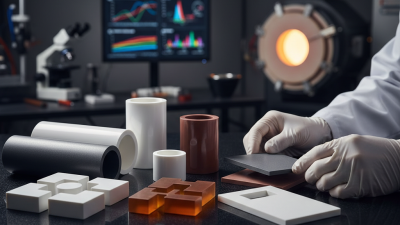
Engineering ceramics are advanced materials known for their unique properties. They are typically hard, brittle, and resistant to wear and temperature. These characteristics make them suitable for demanding applications, such as aerospace and automotive industries. Engineering ceramics excel in thermal stability and corrosion resistance. They can withstand extreme environments that would damage other materials.
When selecting engineering ceramics, consider the specific application. Not all ceramics are created equal. Some may work well under high temperatures, while others offer better mechanical strength. Ensure that the ceramic you choose aligns with your project's requirements.
Tips: Test different materials in real-life conditions. This can prevent costly mistakes later on. Engage with experts who understand the nuances of engineering ceramics. Their insights can be invaluable. Remember, engineering ceramics require careful handling. Their brittleness can lead to challenges during manufacturing and assembly. Always plan accordingly to avoid potential issues.
Advantages of Engineering Ceramics Over Traditional Materials
Engineering ceramics stand out for several reasons, particularly when compared to traditional materials. These advanced materials exhibit exceptional hardness and wear resistance. This makes them ideal for applications in harsh environments. For instance, in aerospace or automotive sectors, components made from engineering ceramics can outperform metals under high temperature and pressure.
Another advantage is their excellent thermal stability. Engineering ceramics can maintain their properties even in extreme heat. Unlike many metals, which can warp or weaken, ceramics retain their strength. This quality is crucial in industries that rely on precision and durability. However, the brittleness of ceramics can be a concern. It may lead to unexpected failures if not properly designed. Therefore, careful consideration and testing are essential.
Corrosion resistance is another benefit. Engineering ceramics do not rust or corrode, which prolongs their lifespan. This property reduces maintenance costs over time. Nevertheless, the initial costs can be higher than traditional materials. Manufacturers need to weigh the long-term benefits against upfront investments. Engaging with experts in ceramics can help navigate these challenges effectively.
Applications of Engineering Ceramics in Various Industries
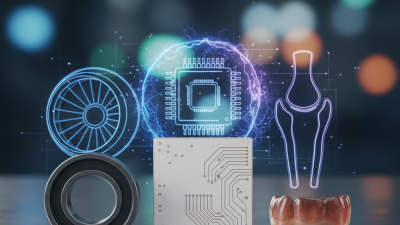
Engineering ceramics are increasingly popular in multiple industries due to their unique properties. These materials excel in applications that require high strength, durability, and resistance to extreme temperatures. For instance, in aerospace, ceramics are used in turbine engines and thermal barrier coatings. They help improve efficiency while reducing the weight of aircraft components.
In the medical field, engineering ceramics are utilized for dental implants and prosthetics. Their biocompatibility makes them ideal for long-lasting solutions. Yet, the challenge lies in ensuring these materials can withstand the mechanical stresses from daily use. Some ceramics can be brittle, which raises concerns about fractures or failures under pressure.
The electronics industry also benefits from engineering ceramics. They serve as insulators and substrates in various devices. However, there are issues regarding material consistency and production costs that need addressing. Companies must invest in advanced manufacturing techniques to enhance reliability and performance in practical applications. Overall, engineering ceramics hold great potential, but continuous improvement is essential.
Why Choose Engineering Ceramics for Your Next Project? - Applications of Engineering Ceramics in Various Industries
| Industry |
Application |
Benefits |
| Aerospace |
Heat shields, turbine components |
High-temperature resistance, lightweight |
| Medical |
Dental implants, prosthetics |
Biocompatibility, wear resistance |
| Electronics |
Insulators, substrates |
Electrical insulation, thermal stability |
| Energy |
Fuel cells, nuclear reactors |
High-temperature performance, durability |
| Automotive |
Brake discs, engine components |
Reduced weight, friction resistance |
Choosing the Right Type of Engineering Ceramics for Your Project
When selecting engineering ceramics for your project, considerations are crucial. Not all ceramics perform the same. Different materials suit various applications. High wear resistance is essential for some tasks. For instance, alumina excels in cutting-edge industries. Yet, zirconia could be better for thermal applications. Understanding your project's specific needs is key.
Thickness and grain structure also matter significantly. Thinner materials can reduce weight, yet they may compromise strength. Grain size influences durability, too. Fine-grained ceramics often offer better toughness. It's a balancing act; too fine can lead to brittleness. Testing small batches before full production helps identify the ideal properties.
In addition, surface finish affects performance. A smoother finish can reduce friction but may lower wear resistance. Engineers sometimes face the challenge of achieving the right texture. Sometimes, trial and error leads to the best solutions. All these nuances highlight the importance of expertise in choosing the right type of ceramics. Evaluating all options thoroughly fosters more effective project outcomes.
Future Trends and Innovations in Engineering Ceramics Technology
Engineering ceramics are gaining traction in various industries due to their unique properties. These materials exhibit exceptional hardness, wear resistance, and thermal stability. As technology evolves, engineering ceramics are integrating advanced features that promise greater enhancements in performance and durability.
Innovations in engineering ceramics are shaping their future. New processes are enabling the creation of complex shapes and sizes that were once impossible. For instance, additive manufacturing allows for intricate designs while minimizing waste. This evolution opens doors for applications in aerospace, automotive, and biomedical fields. However, the cost of these advanced ceramics can be a factor to consider. They may not fit every budget, requiring careful evaluation.
Tips for your next project: focus on the specific properties you need. Consider factors like temperature resistance and mechanical strength. Evaluate whether the benefits outweigh the costs for your application. Discussing your requirements with experts can lead to tailored solutions. Remember, as you explore these materials, assess the trade-offs while remaining open to innovative possibilities.
Future Trends in Engineering Ceramics