What is Engineering Ceramics and Its Applications in Industry?
Engineering Ceramics play a pivotal role in various industrial applications. These materials exhibit exceptional hardness, thermal stability, and corrosion resistance. According to a report by Research and Markets, the global market for engineering ceramics is projected to reach $17 billion by 2025. This growth is fueled by increasing demands in sectors like aerospace, electronics, and medical devices.
The unique properties of engineering ceramics make them ideal for components that endure extreme conditions. For instance, aerospace engines utilize ceramic matrix composites to withstand high temperatures and reduce weight. Similarly, in the electronics industry, ceramics contribute to the production of components like capacitors and insulators. Yet, challenges remain. The brittleness of ceramics can limit their application in certain scenarios.
Despite these drawbacks, ongoing research aims to enhance their toughness. Innovations, such as nano-engineered ceramics, show promise in expanding their applications further. The potential of engineering ceramics continues to grow. As industries evolve, so too will the demand for these high-performance materials.
Definition and Characteristics of Engineering Ceramics
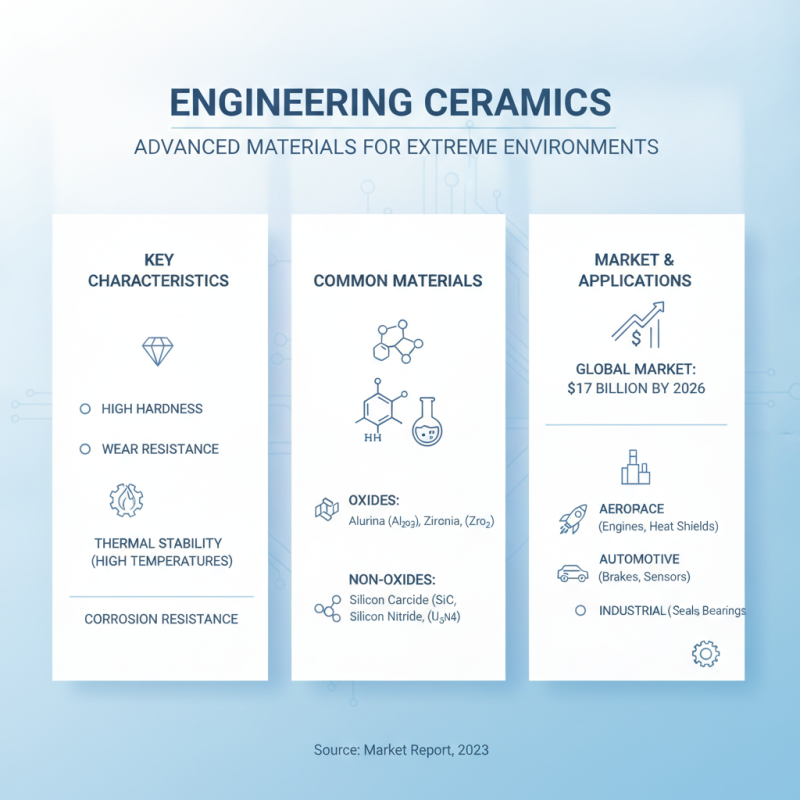
Engineering ceramics are advanced materials characterized by their high hardness, wear resistance, and thermal stability. These ceramics are often composed of oxide and non-oxide compounds, such as alumina, zirconia, and silicon carbide. According to a recent market report, the global engineering ceramics market is expected to reach $17 billion by 2026, driven by increasing demand in aerospace and automotive industries. Their ability to withstand high temperatures and corrosive environments makes them invaluable in many applications.
One critical characteristic of engineering ceramics is their brittleness. While they excel in compressive strength, they can be susceptible to cracking under tensile stress. This limitation necessitates careful consideration during design and application. Engineers must balance performance with structural integrity. Additionally, the manufacturing process can be complex, often requiring precise control over temperature and atmosphere. Despite these challenges, the unique properties of engineering ceramics make them suitable for specialized components, including cutting tools and insulators in electric applications.
Types of Engineering Ceramics and Their Properties
Engineering ceramics are crucial in various industries due to their unique properties. These ceramics are characterized by high hardness, thermal stability, and wear resistance. Common types include alumina, zirconia, and silicon carbide. Each material has specific applications based on its properties.
Alumina ceramics dominate the market, accounting for over 60% of engineering ceramics used today. They excel in high-temperature applications and are found in cutting tools and dental implants. Zirconia ceramics, known for their toughness, are widely used in biomedical applications and fuel cell technology. Silicon carbide offers exceptional thermal conductivity and strength, making it ideal for electronic components and automotive parts.
Tips: When selecting engineering ceramics, consider the application environment. Temperature fluctuations and corrosive elements can impact performance. Always assess material properties against your specific needs to avoid mismatches.
Some engineering ceramics struggle with brittleness, leading to failures under stress. This characteristic should be kept in mind when designing components. Continuous research is crucial for advancing ceramic materials, promoting versatility in industrial applications.
What is Engineering Ceramics and Its Applications in Industry? - Types of Engineering Ceramics and Their Properties
| Type of Engineering Ceramic |
Properties |
Applications |
| Alumina (Al2O3) |
High strength, excellent wear resistance, good insulation |
Cutting tools, electronic substrates, wear parts |
| Zirconia (ZrO2) |
High toughness, low thermal conductivity, good chemical resistance |
Dental ceramics, thermal barrier coatings, fuel cell components |
| Silicon Nitride (Si3N4) |
High strength at high temperatures, low density, excellent wear resistance |
Turbine blades, engine components, bearings |
| Silicon Carbide (SiC) |
High thermal conductivity, excellent hardness, good chemical resistance |
Semiconductor devices, high-performance abrasives, cutting tools |
| Borosilicate Glass |
Good thermal and chemical resistance, low thermal expansion |
Laboratory glassware, cookware, automotive components |
Manufacturing Processes Involved in Engineering Ceramics
Engineering ceramics are notable for their versatility and strength. The manufacturing processes involved in engineering ceramics vary significantly. These processes ensure the final products meet required specifications for different applications.
One common method is dry pressing, where powdered ceramics are compacted into molds. This technique produces dense and strong products but can introduce inconsistencies if not managed properly. Another method is slip casting, which involves pouring a liquid ceramic mixture into a mold. This allows for more complex shapes, yet it demands careful control of moisture levels to avoid defects.
With advancements in technology, techniques like additive manufacturing have emerged. This method builds items layer by layer, offering remarkable flexibility. However, challenges remain in achieving uniformity and structural integrity. Companies continue to seek improvements in these processes to enhance performance and reliability in diverse industrial applications.
Applications of Engineering Ceramics in Various Industries
This chart illustrates the key applications of engineering ceramics across different industries, highlighting their significance and usage in sectors such as electronics, aerospace, biomedical, and automotive.
Major Applications of Engineering Ceramics in Various Industries
Engineering ceramics play a critical role in various industries due to their unique properties. These materials are known for their high hardness, resistance to wear, and ability to withstand extreme temperatures. In the automotive sector, engineering ceramics are used in manufacturing components like fuel injectors and engine valves.
According to a recent market analysis, the automotive ceramics market is expected to reach approximately $15 billion by 2025, reflecting a compound annual growth rate (CAGR) of over 6%.
In the electronics industry, engineering ceramics are integral in producing capacitors and insulators. Their dielectric properties help enhance device performance. Reports indicate that the global ceramics market in electronics is projected to exceed $10 billion by 2024. However, there are challenges associated with brittleness, which can limit their applications in some scenarios. Overcoming these issues requires innovative research and development, focusing on enhancing toughness and durability.
The medical sector also benefits from engineering ceramics. Materials like alumina and zirconia are used in dental implants and prosthetics. Their biocompatibility and wear resistance make them ideal for long-term use. However, manufacturers must continually address the high production costs and complex processing techniques. These factors can affect the widespread adoption of engineering ceramics across industries.
Future Trends and Innovations in Engineering Ceramics Technology
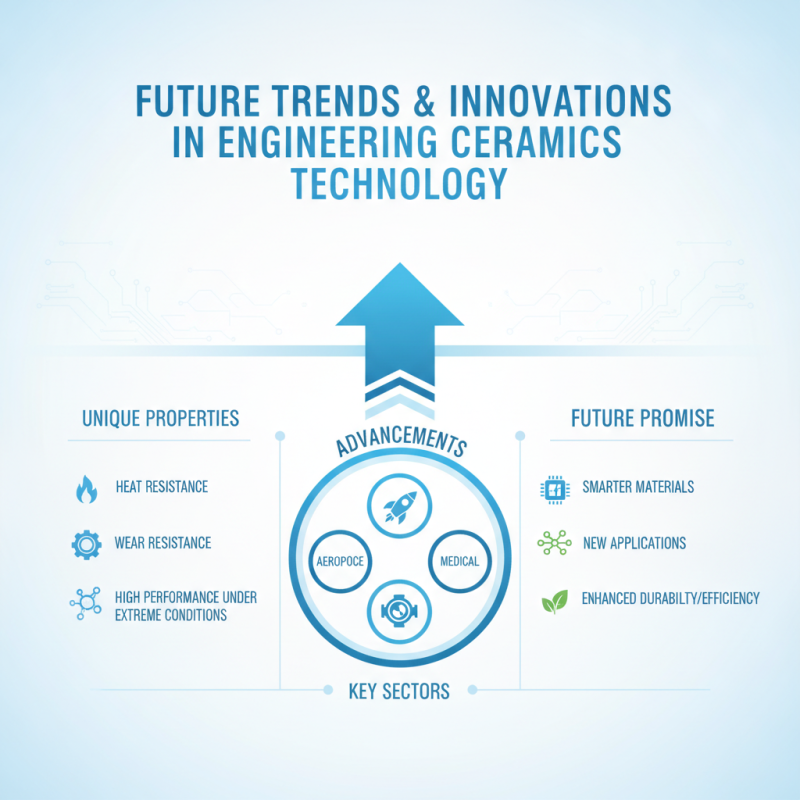
Engineering ceramics have gained significant traction in various sectors due to their unique properties. These materials are engineered for high performance in extreme conditions. They resist heat and wear, making them ideal for applications in aerospace, automotive, and medical fields. The future promises even more advancements in their technology.
Innovations such as additive manufacturing are reshaping the landscape. This technology allows for the creation of complex designs that were once impossible. Researchers are exploring new composites that integrate ceramics with metals or polymers. This could enhance toughness and reduce brittleness.
Tip: When considering engineering ceramics for applications, assess the specific environment. Each setting demands unique material properties.
Another trend is the development of bioactive ceramics. These are designed to interact with biological systems. Their use in medical implants is a growing area of interest. Ensuring compatibility with human tissue remains a challenge, but progress is being made.
Tip: Always stay informed about the latest research in your field. Emerging technologies can offer new solutions to longstanding issues.