Why Are Engineering Ceramics Essential in Modern Technology?
Engineering ceramics play a crucial role in modern technology. These advanced materials have unique properties that make them ideal for a variety of applications. They are known for their hardness, thermal stability, and resistance to wear. As industries evolve, the demand for reliable materials grows.
In various fields, engineering ceramics are essential. They are used in electronics, medical devices, and aerospace technologies. For example, in electronics, these materials help insulate components and manage heat dissipation. Their durability and efficiency contribute to the longevity of devices.
Despite their advantages, there are challenges. Some engineering ceramics are brittle, which raises concerns about their reliability under stress. Ongoing research aims to overcome these limitations and enhance performance. As we rely more on advanced technologies, understanding the importance of engineering ceramics becomes even more vital.

The Role of Engineering Ceramics in Advanced Manufacturing Processes
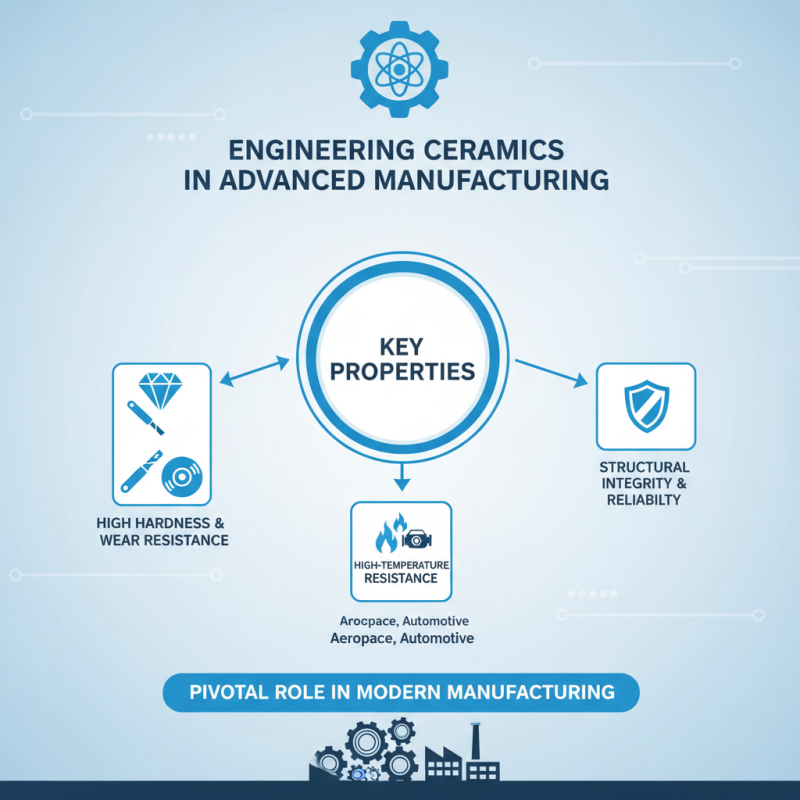
Engineering ceramics play a pivotal role in modern manufacturing. These materials are used in various applications due to their exceptional properties. Their high hardness and wear resistance make them ideal for cutting tools and grinding media. Additionally, they can withstand high temperatures without losing structural integrity. This makes them essential in industries like aerospace and automotive, where reliability is crucial.
In advanced manufacturing processes, engineering ceramics contribute to innovation. They facilitate the creation of components that require precise tolerances and extended lifespans. For instance, turbine blades made from these materials enhance the efficiency of jet engines. However, working with ceramics presents challenges. They are brittle and can crack under stress. This requires careful handling and design adjustments.
The effective use of engineering ceramics depends on understanding their limitations. Discrimination during material selection is vital for performance. It's important to balance cost and efficiency. Engineers strive to incorporate ceramics without compromising on strength or functionality. The path forward involves continuous research and development, focusing on improving material toughness and workability.
Key Properties of Engineering Ceramics: Strength, Hardness, and Thermal Stability
Engineering ceramics are crucial in modern technology due to their unique properties. Their strength makes them suitable for high-stress applications. For instance, silicon nitride ceramics exhibit strength values over 700 MPa, making them ideal for turbine blades in aircraft engines.
Hardness is another essential characteristic. Ceramics like alumina can reach a hardness of around 9 on the Mohs scale. This level of hardness helps resist wear and abrasion, proving beneficial in cutting tools and wear-resistant coatings. According to a research report by the American Ceramic Society, the demand for hard ceramics in industrial applications has increased by nearly 30% in the last five years.
Thermal stability is critical as well. Engineering ceramics remain stable under high temperatures, often exceeding 1000°C. This property is vital for components in engines and reactors. However, the brittleness of some ceramics can pose risks. Engineers must carefully evaluate the design to avoid catastrophic failures.
Tip: When choosing ceramics for an application, consider the trade-offs between hardness and brittleness. Not all high-hardness materials will withstand impact well.
Moreover, testing is key. Performing stress tests can help identify any potential weaknesses. Engineers should prioritize materials with balanced properties to enhance reliability.
Why Are Engineering Ceramics Essential in Modern Technology?
| Property |
Description |
Value |
| Strength |
Ability to withstand applied loads without failure |
400 - 600 MPa |
| Hardness |
Resistance to localized plastic deformation or scratching |
HV 1000 - HV 2200 |
| Thermal Stability |
Ability to maintain structural integrity at high temperatures |
Up to 1700 °C |
| Chemical Resistance |
Resistance to corrosion and degradation in harsh environments |
Excellent |
| Electrical Insulation |
Ability to prevent the flow of electric current |
High resistivity (>10^14 Ω·cm) |
Applications of Engineering Ceramics in Aerospace and Automotive Industries
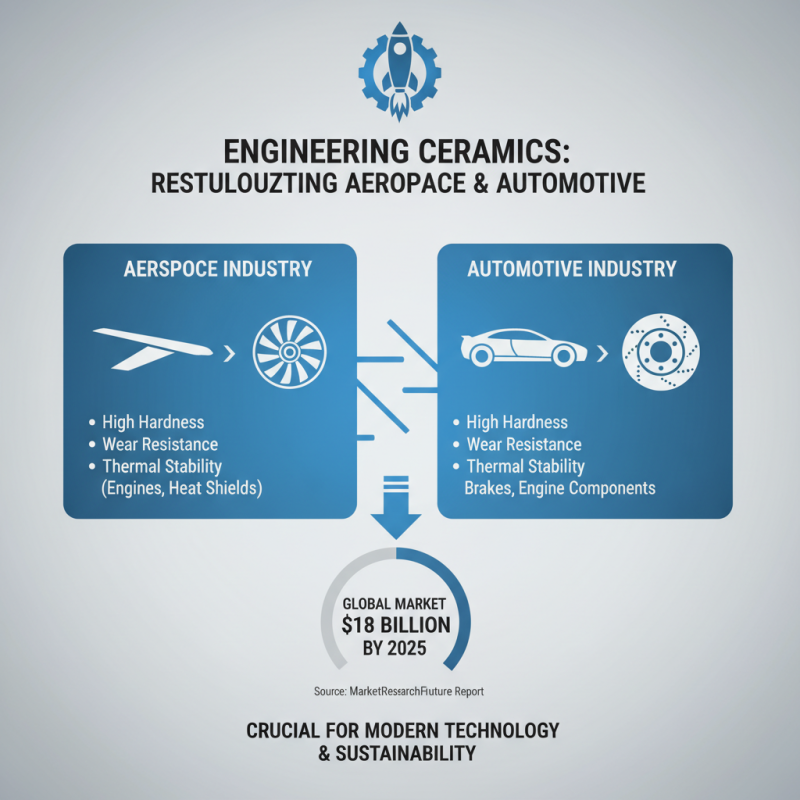
Engineering ceramics play a crucial role in aerospace and automotive industries. These materials exhibit excellent hardness, wear resistance, and thermal stability. According to a report by MarketResearchFuture, the global engineering ceramics market is projected to reach $18 billion by 2025. Such growth underscores their importance in modern technology.
In aerospace, engineering ceramics are used in turbine engines and thermal protection systems. Their lightweight properties contribute to fuel efficiency in aircraft. For instance, ceramic matrix composites can reduce engine weight by up to 30%. This weight reduction leads to lower fuel consumption and reduced emissions. In automotive applications, these materials enhance performance and longevity. Ceramic brake pads, for example, offer better thermal stability and reduce wear on rotors.
However, despite their advantages, there are challenges. The brittleness of ceramics can lead to unexpected failures. Additionally, their high cost can limit widespread adoption. Industry experts suggest that ongoing research is needed to improve their toughness and reduce production costs. With innovation, engineering ceramics can reach their full potential in enhancing technology across these industries.
The Impact of Engineering Ceramics on Electronics and Semiconductor Technology
Engineering ceramics play a crucial role in electronics and semiconductor technology. These materials are renowned for their exceptional thermal stability and electrical insulation properties. According to a recent report by the International Journal of Applied Ceramic Technology, the global engineering ceramics market is expected to reach $18 billion by 2025, primarily driven by the semiconductor sector’s demands.
In the semiconductor industry, engineering ceramics are utilized in various components such as insulators, substrates, and interposers. They improve device performance and longevity. For example, substrates made from advanced ceramics provide excellent dielectric properties. This ensures efficient signal transmission while mitigating heat generation. Such improvements are vital as devices become smaller and more powerful.
Tip: When selecting engineering ceramics for electronics applications, consider factors like thermal conductivity and chemical resistance. This can significantly impact the overall performance of electronic assemblies.
However, it’s important to note that while engineering ceramics offer many advantages, there are challenges. Their brittleness can be a concern during manufacturing and handling. This makes it essential to invest in
quality control and robust engineering processes to minimize failure rates. Additionally, adapting to new manufacturing techniques may require a learning curve, affecting initial production outputs.
Tip: Collaborate with materials scientists to explore innovative ways to enhance the performance and durability of engineering ceramics in electronic applications.
Future Trends: Innovations in Engineering Ceramics for Sustainable Technology
Engineering ceramics are becoming increasingly crucial in modern technology. Their unique properties, such as high strength, thermal stability, and corrosion resistance, enable advancements in various fields. As industries shift towards sustainable practices, innovations in engineering ceramics play a key role in reducing environmental impact.
Future trends indicate that bio-inspired ceramics will emerge. These materials mimic natural structures to enhance performance and sustainability. For instance, researchers are studying mussel shells to create more durable and lightweight ceramics. This approach not only improves functionality but also minimizes resource consumption.
Tips: When exploring new materials, consider their lifecycle. Assess how they can be manufactured sustainably. Also, think about the local availability of raw materials to cut costs and reduce transportation emissions. The move towards eco-friendly materials is essential, but we must ensure those innovations meet industry standards. Balancing performance and sustainability remains a challenge. Engaging in discussions about these materials can lead to better solutions.