How to Choose the Best Ceramic Spray Nozzles for Your Needs?
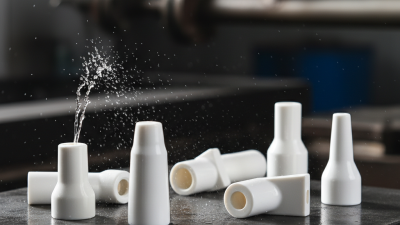
Choosing the right Ceramic Spray Nozzles can significantly impact productivity and efficiency in various applications. A recent industry report highlights that improper nozzle selection can lead to a 20% reduction in material transfer efficiency. This statistic underscores the importance of making informed choices.
Understanding the specific requirements of your project is crucial. Different Ceramic Spray Nozzles offer varying spray patterns and sizes, tailored for diverse materials. For instance, a narrow fan pattern is more effective for intricate details, while a wide spray enhances coverage for larger surfaces. Additionally, experts emphasize the need for durability. Those designed with advanced ceramics often exhibit greater resistance to wear and high temperatures.
However, selecting the best nozzle is not just about technical specifications. User reviews sometimes reflect a discrepancy between expectation and reality. Mistakes, like purchasing the wrong type, can be costly. A focus on quality and the right features will ensure better results. As the industry evolves, staying informed about the latest advancements in Ceramic Spray Nozzles becomes essential for maintaining a competitive edge.
Understanding the Basics of Ceramic Spray Nozzles
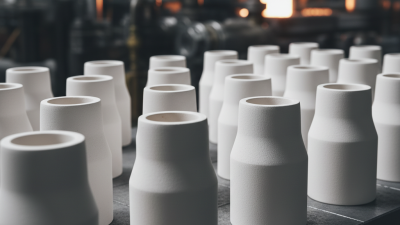
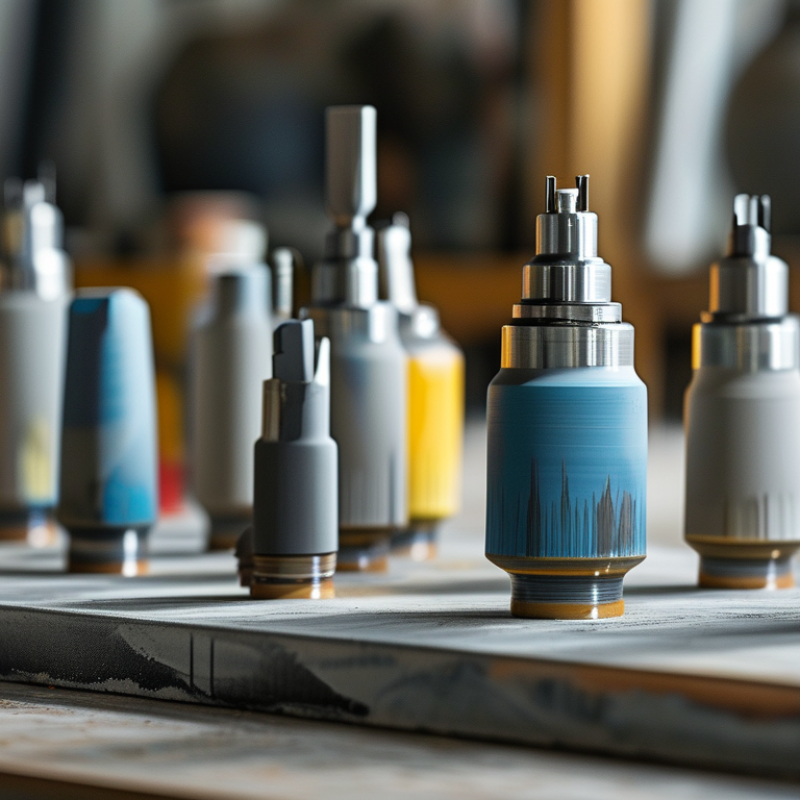
Ceramic spray nozzles are crucial in various industries, including agriculture, automotive, and manufacturing. Understanding their basics helps in making informed choices. These nozzles can create uniform spray patterns and reduce waste. A well-designed nozzle can improve efficiency while optimizing material usage.
According to a recent industry report, around 70% of users underestimate the impact of nozzle size on spray performance. Selecting the right nozzle size affects droplet size and distribution. A nozzle that is too large can lead to overspray, while one that is too small may not deliver sufficient coverage.
Moreover, material compatibility is vital. Different ceramics exhibit varying levels of resistance to chemicals and temperature. Research indicates that 60% of nozzle failures stem from improper material selection. It’s essential to match the nozzle’s composition with the compounds being sprayed. Such knowledge enhances reliability and overall performance.
Identifying Your Specific Spraying Requirements
Choosing the right ceramic spray nozzles starts with understanding your specific needs. Consider the type of project you’re tackling. Different applications require different nozzle characteristics. For fine detail work, a smaller nozzle is ideal. Larger nozzles work better for broader coverage. Assess your project scope before deciding.
Another key factor is the viscosity of the material you are using. Some materials need a high-pressure nozzle for effective spraying, while others perform best with lower pressure. Think about the finish you want. A smooth, even application may require more experimentation. It’s crucial to test a few options on a sample piece before committing.
Your environment also plays a role. A well-ventilated space may allow for different nozzle features compared to a confined area. Noise levels can also impact your choice when selecting nozzles with specific designs. Reflect on past experiences with various nozzles. Did they perform as expected? Understanding what worked or didn’t will guide your decision.
Comparing Different Types of Ceramic Spray Nozzles
When comparing different types of ceramic spray nozzles, it's crucial to understand their unique features. Ceramic nozzles come in various designs, catering to specific tasks. Some are ideal for high-pressure applications, while others excel in fine misting. The choice often depends on the desired application and the types of surfaces being treated.
One type to consider is the flat spray nozzle. This design delivers a wide coverage area, making it great for painting large surfaces. However, it may not provide the precision needed for detailed work. On the other hand, the hollow cone nozzle creates a fine mist. This nozzle works wonderfully for delicate applications, but it may lead to overspray on larger projects.
In addition to design, the size of the nozzle orifice plays a significant role. A smaller orifice offers better control, but it can clog easily. A larger orifice reduces the risk of clogging, but it can create a less controlled spray pattern. It’s essential to reflect on what you require in terms of efficiency and precision when selecting the best ceramic spray nozzle for your needs.
Evaluating Key Features for Optimal Performance
When selecting ceramic spray nozzles, understanding key features is crucial. Consider the spray pattern. Nozzles offer various patterns, including fan, cone, and stream. Each type serves a different purpose. A fan pattern is great for wide coverage, while a cone pattern is ideal for targeted applications. Assessing the size of the nozzle hole also matters. Larger holes can deliver more liquid quickly but may lead to overspray.
Durability is another essential feature. Look for materials that withstand chemicals and frequent use. While some nozzles promise longevity, not all live up to their claims. Users often report premature wear. Weight can influence ease of use. A lighter nozzle reduces fatigue during extended tasks. However, lighter does not always mean better. The balance between weight and material quality is important.
Adjustability plays a role as well. An adjustable nozzle allows for versatility. It fits various tasks without needing constant changes. However, some adjustable models may be complex. Users sometimes find them cumbersome. Take the time to reflect on your specific needs. The best option for one task might not suit another. Finding the right nozzle involves trial and error. Each choice impacts performance, so careful evaluation is critical.
Performance Analysis of Ceramic Spray Nozzles
Making an Informed Purchase Decision for Ceramic Spray Nozzles
Choosing the right ceramic spray nozzle can be complex. Each nozzle serves different purposes. Consider your specific needs. Do you need precision for intricate artwork? Or is broad coverage your goal? Understanding the application can help narrow your options.
Pay attention to the size of the nozzle. Nozzle sizes may vary, ranging from fine to wide. A fine nozzle provides a detailed spray but could clog easily. A wide nozzle covers more area but may lack control. Think about the materials you'll use. Some ceramics react differently to various spray patterns.
User reviews can be insightful. Look for feedback on durability and performance. However, keep in mind that personal preferences influence opinions. A product deemed perfect for one task may not suit another. It's essential to reflect on your own experiences and needs. Aim for a balance between quality and affordability. Remember, the perfect choice might not exist; it often comes down to trial and error.