Top Benefits of Using Alumina Ceramic Nozzles in Industrial Applications
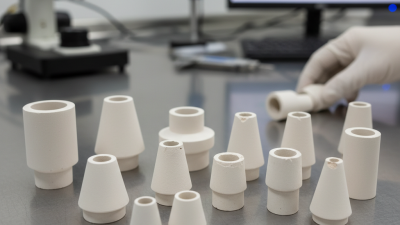
The use of Alumina Ceramic Nozzles has transformed industrial applications significantly. Known for their durability and resistance to wear, these nozzles function effectively in harsh environments. In industries like aerospace and automotive, they are invaluable. Their lightweight nature combined with high strength makes them ideal for high-performance applications.
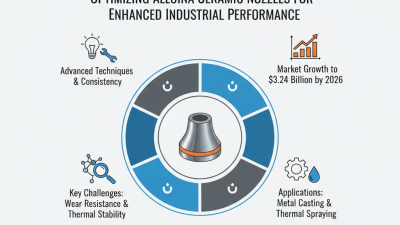
One notable feature of Alumina Ceramic Nozzles is their excellent thermal stability. They can withstand high temperatures, which is crucial in processes like casting and spraying. However, not all ceramic nozzles are the same. Variations in manufacturing can affect performance, presenting challenges in quality assurance. The right choice depends on specific applications and conditions.
Furthermore, while the benefits are substantial, there’s room for improvement in design and functionality. Some users report issues with compatibility and maintenance. A careful evaluation of these nozzles can lead to enhanced performance. Understanding their limitations is crucial for making informed decisions in industrial settings.
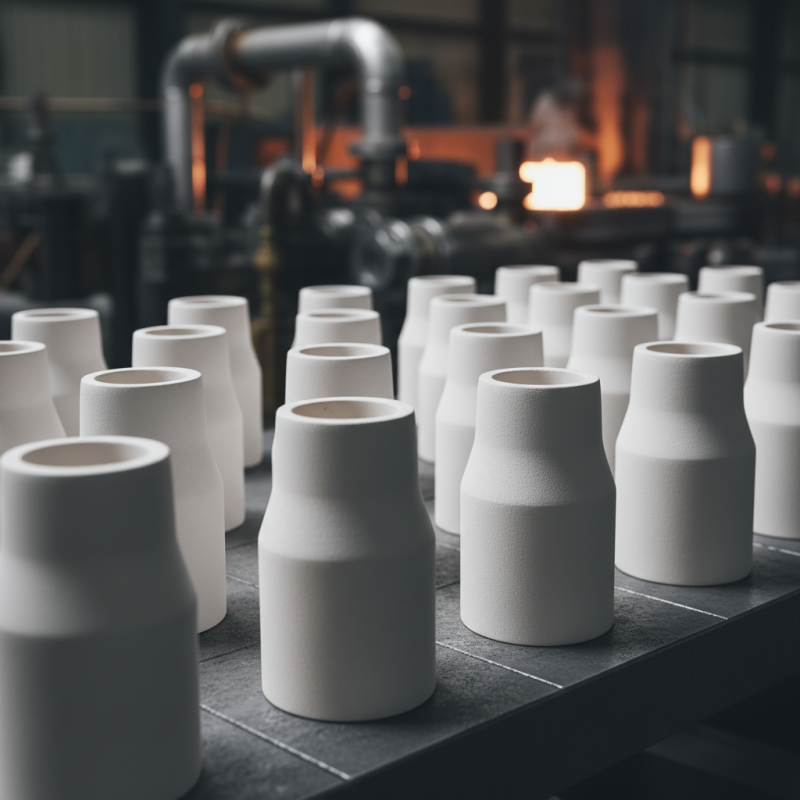
Overview of Alumina Ceramic Nozzles in Industrial Applications
Alumina ceramic nozzles are becoming increasingly vital in diverse industrial applications. These nozzles demonstrate exceptional resistance to wear and high temperatures. They can effectively handle abrasive materials, making them suitable for many manufacturing processes. In addition, their smooth surface ensures minimal friction. This leads to efficient material flow, which is crucial in industrial settings.
One notable aspect is their chemical inertness. Alumina ceramics resist corrosion, ensuring longevity and reducing maintenance costs. Industries like automotive and aerospace benefit greatly from this property. However, there can be challenges. The brittleness of alumina ceramics may lead to unexpected failures under extreme stress. Proper design and installation techniques are necessary to mitigate this risk.
Another point to consider is the initial cost. While alumina nozzles may be more expensive initially, their durability often translates into lower lifetime costs. This makes them a trusted choice for high-performance applications. It's essential that industries weigh both the pros and cons before deciding. Continued research and feedback can help optimize their use in various fields.
Key Properties of Alumina Ceramic Relevant to Industrial Use
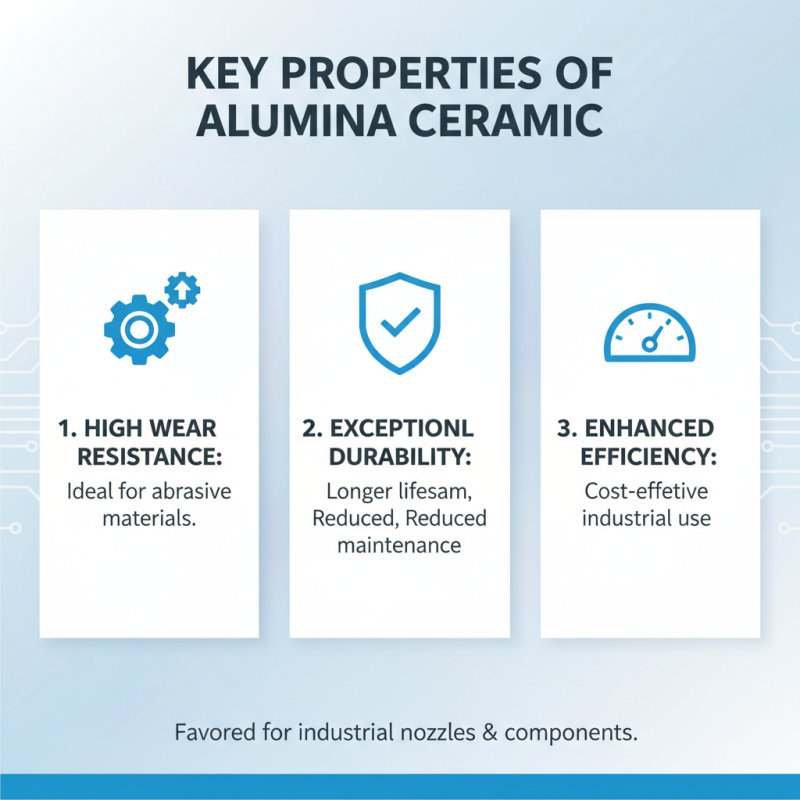
Alumina ceramic nozzles are increasingly favored in various industrial applications due to their remarkable properties. One key aspect is their high resistance to wear. This makes them suitable for applications involving abrasive materials. The durability ensures a longer lifespan, effectively reducing maintenance costs. Manufacturers benefit from increased efficiency as a result.
Another important property is alumina’s excellent thermal stability. These nozzles can withstand high temperatures without deforming. This is crucial in processes like metal casting or welding. The ability to maintain structural integrity under heat enhances productivity. However, improper handling may lead to cracks, necessitating careful operational practices.
Alumina’s chemical resistance is also vital. It does not react with many aggressive substances, ensuring reliability in harsh environments. This reduces the risk of contamination during processes. Nevertheless, while the benefits are significant, the initial cost of alumina nozzles can be a barrier for some businesses. Understanding these aspects can help industries make informed decisions when choosing materials.
Advantages of Alumina Ceramic Nozzles over Metal Alternatives
Alumina ceramic nozzles offer distinct advantages over metal counterparts in industrial applications. Their wear resistance is exceptional, with studies showing that they can last up to three times longer than metal nozzles. This longevity reduces maintenance costs and downtime, enabling smoother operations in demanding environments. The hardness of alumina ceramics can reach up to 9 on the Mohs scale, significantly outperforming low-grade metals.
Chemical resistance is another critical factor. Alumina ceramics provide robust protection against corrosive substances. This feature is vital in industries like chemical processing, where metal nozzles may corrode and fail. A report indicated that replacing metal with alumina could lead to a 15% reduction in replacement frequency. These nozzles also maintain structural integrity under extreme temperatures, reducing the risk of deformation during operations.
Environmental factors further highlight the benefits of alumina ceramics. They are less prone to thermal shock, meaning they can handle rapid temperature changes without cracking. In comparison, metal nozzles may not perform reliably under such conditions. Despite these advantages, the initial cost of alumina ceramics tends to be higher. However, most companies find that the long-term savings in maintenance and replacement offset this initial expense.
Top Benefits of Using Alumina Ceramic Nozzles in Industrial Applications
Applications of Alumina Ceramic Nozzles in Manufacturing Processes
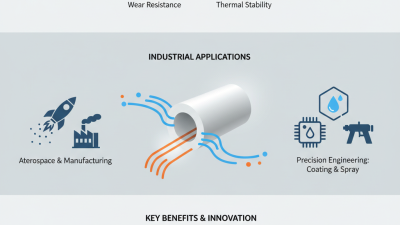
Alumina ceramic nozzles play a critical role in various manufacturing processes. They are commonly used in industries such as aerospace, automotive, and electronics. Their high hardness and wear resistance make them ideal for applications that involve abrasive materials. For example, in the powder coating industry, alumina ceramic nozzles safely handle particulate matter.
One notable application is in spray drying. Here, liquid materials are converted into powder form. The precision of alumina nozzles ensures a uniform spray pattern. This uniformity leads to more consistent product quality. However, achieving this requires careful calibration. The manufacturing team needs to monitor variables closely to prevent irregularities.
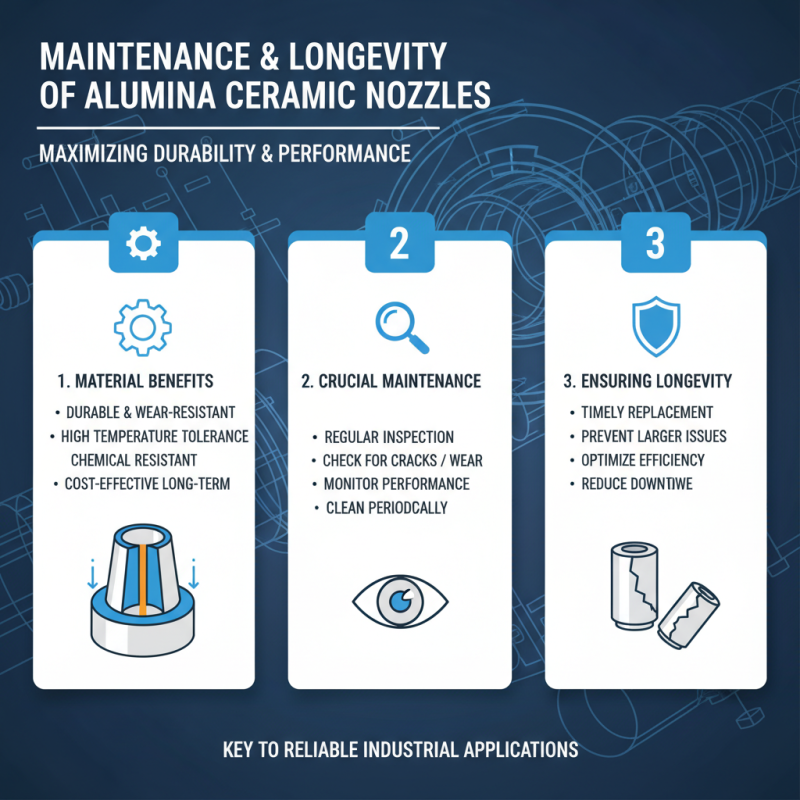
Another area where these nozzles excel is in the casting process. They facilitate the flow of molten metals. Their thermal stability allows them to withstand extreme temperatures and prevent contamination. Yet, there can be challenges in maintaining their integrity over time. Regular inspection and maintenance are necessary to avoid performance issues. This reflection on durability can lead to better practices in industrial settings.
Top Benefits of Using Alumina Ceramic Nozzles in Industrial Applications
| Application Field |
Benefit |
Material Properties |
Temperature Resistance |
| Aerospace Manufacturing |
High abrasion resistance |
High hardness |
Up to 1600°C |
| Electronics Production |
Chemical inertness |
Low thermal conductivity |
Up to 1200°C |
| Automotive Industry |
Durability and longevity |
High strength |
Up to 1250°C |
| Medical Devices |
Biocompatibility |
Excellent wear resistance |
Up to 1000°C |
| Food Processing |
Non-reactive to food substances |
Hygienic properties |
Up to 900°C |