10 Essential Tips for Choosing Ceramic Spray Nozzles?
Choosing the right ceramic spray nozzles can be a daunting task. Expert John Harrison, a leader in the ceramic coating industry, once said, "The right nozzle can make all the difference in application quality." This advice highlights the significance of educated choices when selecting these tools.
Ceramic spray nozzles are crucial for achieving flawless finishes. They affect not only the efficiency of the application but also the durability of the coating. Different nozzles suit various tasks, and choosing the wrong one can lead to subpar results.
Investing time in understanding the factors that influence nozzle performance is essential. Consider aspects such as spray pattern, flow rate, and material compatibility. Failing to account for these variables can result in wasted materials and effort. Therefore, navigating the complexities of ceramic spray nozzles requires both knowledge and practical experience.
Understanding Ceramic Spray Nozzles and Their Applications
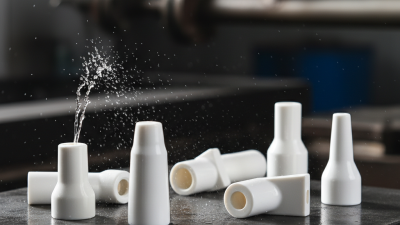
Ceramic spray nozzles play a crucial role in various industrial applications. They are known for their durability and efficiency in managing liquids and slurries. Understanding their structure can significantly improve operational performance. These nozzles are often used in processes like coating, cleaning, and cooling. Each application demands specific designs and flow rates to achieve optimal results.
When selecting a ceramic spray nozzle, consider factors like viscosity and particle size of the materials. These aspects greatly influence the spray pattern and coverage. Not all nozzles handle high-viscosity fluids equally. It's common for users to face challenges like clogging or uneven distribution. Testing different nozzle designs can help identify which ones minimize these issues.
Material compatibility is another factor to think about. Some ceramics resist wear and corrosion, while others may not. Investigate how the nozzle interacts with the substances used. Evaluating past experiences and analyzing performance data can lead to better choices in the future. These considerations can seem overwhelming at times. However, they are essential for achieving efficiency and reliability in your processes.
Factors to Consider When Selecting the Right Ceramic Spray Nozzle
Choosing the right ceramic spray nozzle can significantly impact your application's efficiency and effectiveness. Start by considering the purpose of the nozzle. Different projects require varying spray patterns and droplet sizes. For instance, some work better for fine mist applications, while others are suited for high-coverage tasks. Understanding these needs is crucial.
Material compatibility is another vital factor. Ceramic nozzles come in different materials, and each interacts with various substances differently. Consider what materials you will use with the nozzle. Certain chemicals may wear down specific materials faster. Ensure you select a nozzle that can withstand the substances you'll be spraying.
Evaluate the nozzle's flow rate. This affects how quickly the material is dispensed. A high flow rate can speed up the process, but might lead to overspraying. On the other hand, a low flow rate can enhance precision but may slow down your work. It's essential to find a balance that suits your workflow and project requirements. Testing different nozzles before committing can help you make an informed choice. Don't underestimate the importance of maintaining your nozzle for optimal performance. Regular cleaning and care could extend its lifespan and efficiency significantly.
Comparing Different Types of Ceramic Spray Nozzles
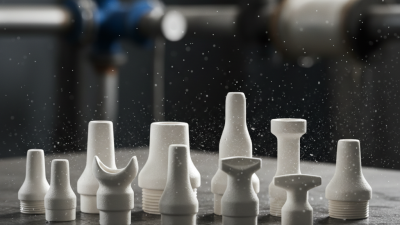
When comparing different types of ceramic spray nozzles, you'll encounter a variety of options, each tailored for specific applications. Some nozzles feature wide spray patterns, making them ideal for larger surfaces. These nozzles allow for quicker coverage but may lack precision. On the other hand, narrow spray nozzles deliver a concentrated stream, perfect for detailed work. Understanding your project’s requirements is key.
Another factor to consider is the spray angle. Nozzles with adjustable angles provide versatility. They can adapt to various tasks, from intricate designs to broad coatings. However, they may require more calibration and practice to master. Durability is also essential. Some nozzles claim long-lasting performance but may falter under heavy use. Discrepancies in quality can be a challenge. Users often find that extensive use reveals weaknesses over time.
Lastly, ease of maintenance is crucial. Not all ceramic spray nozzles are easy to clean. Clogged nozzles can lead to inconsistent performance. Choosing a nozzle with simple disassembly aids in keeping it functional. Many users overlook this, leading to frustration later on. Take these factors into account to make a more informed choice.
Tips for Maintaining and Cleaning Ceramic Spray Nozzles
Maintaining and cleaning ceramic spray nozzles is crucial for optimal performance. Regular upkeep ensures longevity and efficiency, which research indicates can improve operational productivity by up to 20%. Simple actions, like routine inspections, can make a significant difference. Look for deposits or clogs caused by minerals or residue build-up. These issues can impede flow and accuracy, leading to uneven application.
Cleaning methods should be approached carefully. Using mild solvents or water with a soft brush can help dislodge stubborn debris. It's essential to avoid abrasive cleaners that might scratch the surface. In a study, it was noted that 42% of nozzle failures were linked to improper cleaning methods. Ensuring that nozzles are dried thoroughly after washing can prevent corrosion and maintain the integrity of the ceramic materials.
In addition, regular calibration checks are vital. Misalignment can lead to uneven spraying, affecting overall project quality. Scheduled maintenance every few months is advisable, especially in high-usage environments. A 2020 industry report highlighted that maintaining cleaner nozzles resulted in a 15% decrease in waste during operations. Not all maintenance practices are perfect; sometimes, issues arise that necessitate further investigation into user techniques and practices.
10 Essential Tips for Choosing Ceramic Spray Nozzles
Common Mistakes to Avoid When Choosing Ceramic Spray Nozzles
When selecting ceramic spray nozzles, many overlook critical details that can impact their effectiveness. One common mistake is choosing a nozzle without considering the specific application. Different uses demand varied spray patterns and sizes. Failing to match the nozzle to the task can lead to inefficient results and wastage.
Another pitfall is neglecting material compatibility. Ceramic nozzles come in different compositions. Some may corrode or degrade with certain chemicals. Users often assume all ceramics are the same, which is a significant oversight. It can lead to premature wear and unexpected equipment failures, causing delays and increased costs.
Many also underestimate the importance of maintenance. Regular cleaning of spray nozzles is crucial to ensure optimal performance. Some users forget this basic care, leading to clogs and inconsistencies in application. Ignoring maintenance can affect not just the nozzle but the entire system as well. Adopting a proactive approach will yield better results and prolong the life of your equipment.
10 Essential Tips for Choosing Ceramic Spray Nozzles - Common Mistakes to Avoid When Choosing Ceramic Spray Nozzles
| Tip Number |
Tip Description |
Common Mistake |
| 1 |
Understand your application requirements. |
Not matching the nozzle type to the intended use. |
| 2 |
Choose the right spray pattern. |
Ignoring the effects of different spray patterns. |
| 3 |
Consider the fluid viscosity. |
Overlooking the impact of fluid properties on performance. |
| 4 |
Select appropriate nozzle size. |
Choosing a size that does not meet flow rate needs. |
| 5 |
Evaluate nozzle material for durability. |
Using materials not suited for the spraying substance. |
| 6 |
Check compatibility with existing equipment. |
Assuming all nozzles fit standard equipment. |
| 7 |
Assess ease of cleaning and maintenance. |
Overlooking maintenance requirements leads to poor performance. |
| 8 |
Factor in operating pressure requirements. |
Not considering pressure can result in inefficient spraying. |
| 9 |
Read customer reviews and feedback. |
Ignoring user experiences with the nozzles. |
| 10 |
Consult with industry experts when uncertain. |
Making decisions without expert input. |