2026 Best Ceramic Spray Nozzles for Industrial Use?
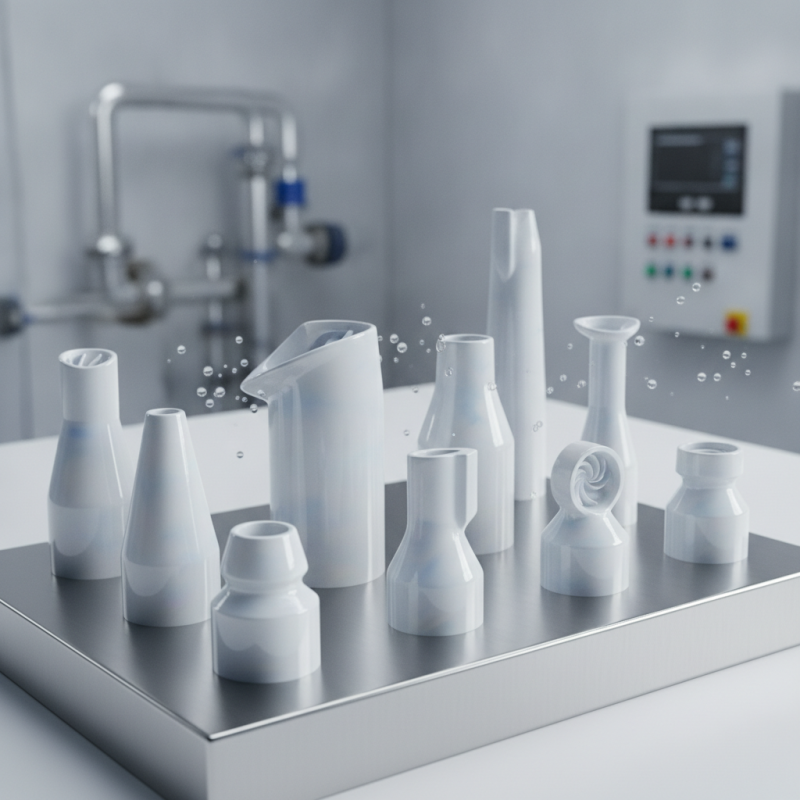
In the industrial landscape, efficiency and precision are paramount. One of the key components that can enhance these attributes is the use of Ceramic Spray Nozzles. These nozzles are not only durable but also excel in providing a consistent spray pattern. This reliability contributes to improved performance in various applications.
Selecting the right Ceramic Spray Nozzles can be challenging. With numerous options available, making an informed decision is essential. Some nozzles may not perform as expected, leading to suboptimal results. It's crucial to consider specific needs and the environment in which they will be used.
In this exploration, we will delve into the top Ceramic Spray Nozzles for 2026. We aim to highlight their strengths and potential drawbacks. A careful analysis will help identify the best fit for different industrial applications, ensuring reliability and efficiency in production processes.
2026 Trends in Ceramic Spray Nozzle Design for Industrial Applications
The ceramic spray nozzle industry is adapting rapidly. A recent report from the Industrial Spray Technology Association noted a 15% increase in demand for these nozzles across various sectors. This trend can be attributed to their high durability and precision. Manufacturers are focusing on improving atomization efficiency. Enhanced designs lead to reduced waste and lower operational costs.
Current designs incorporate advanced materials. Industries are exploring ultra-lightweight ceramics to reduce energy consumption. The integration of smart technology is increasing. Nozzles can now provide real-time feedback to optimize performance. This helps operators make informed decisions. Nonetheless, the complexity of smart systems can be challenging for some users.
Another trend is the movement towards sustainable practices. Eco-friendly materials are gaining attention. A survey showed that 62% of manufacturers are prioritizing sustainability in their production processes. Despite these advancements, there remain concerns about scalability. Not every facility can upgrade to the latest technology easily. These evolving needs highlight the industry's journey toward more effective solutions.
Key Factors Influencing Performance of Ceramic Spray Nozzles in Industry
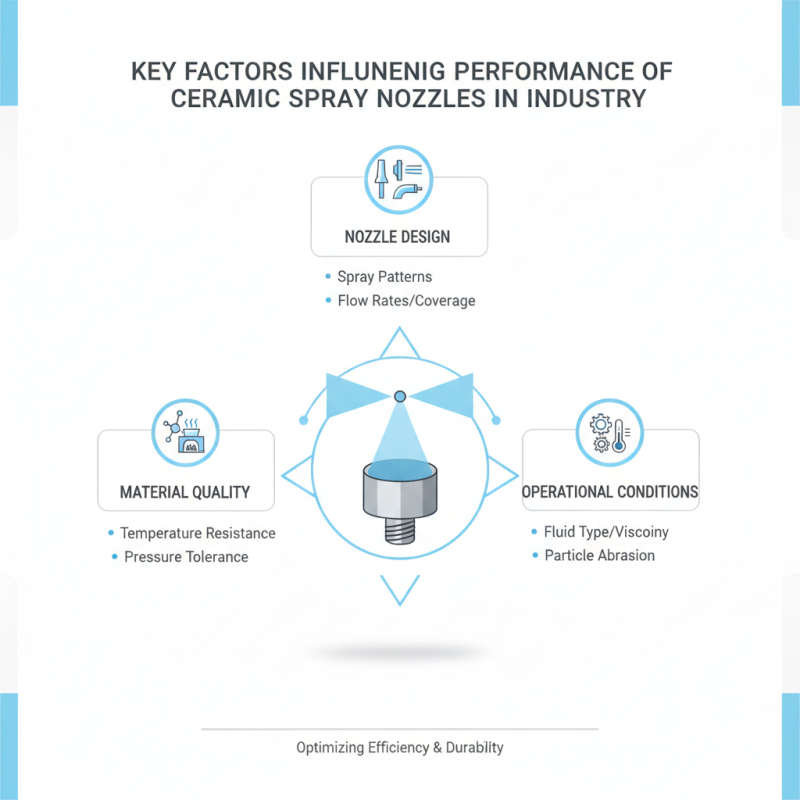
When considering ceramic spray nozzles for industrial applications, several key factors significantly influence performance. One crucial element is the nozzle design, which impacts spray patterns and flow rates. The shape and diameter of the nozzle can determine the distribution of liquid, affecting efficiency and coverage. Additionally, the quality of the ceramic material itself plays a role; different formulations can withstand varying temperatures and pressures.
Another important factor is the operating conditions. Factors such as ambient temperature and fluid viscosity should be taken into account. Surfaces that need coating can also dictate the type of spray pattern required. A nozzle that performs well in one setting may not have the same efficiency in another.
**Tip:** Regular maintenance of nozzles is essential. Cleaning blockages can improve performance significantly.
Pay attention to the compatibility of the materials too. Using incompatible liquids may lead to wear or damage. This consideration is often overlooked but can save costs in the long run.
**Tip:** Keep a log of nozzle performance over time. It can help identify patterns and needs for replacement.
Finally, user feedback is invaluable. Teams on the ground can provide insights into practical performance. Their experiences can highlight flaws or benefits not evident in lab settings.
Comparative Analysis of Material Durability in Industrial Ceramic Spray Nozzles
When selecting ceramic spray nozzles for industrial use, material durability is critical. Various ceramics have distinct properties that affect their performance. For instance, alumina nozzles often withstand high temperatures and abrasiveness, making them ideal for harsh environments. However, they might not perform well under extreme chemical exposure. Balancing these properties is essential for choosing the right nozzle.
Another option is zirconia, known for superior toughness and resistance to wear. It handles harsh chemicals better than alumina but can be more expensive. Some industries may prioritize cost over longevity, which leads to compromises in durability. It's crucial to consider the specific demands of your application to maximize efficiency.
Real-world testing and long-term use reveal the intricate nature of these materials. There's always potential for unexpected wear patterns and failures. Regular maintenance and assessment are necessary to ensure performance remains optimal. Investing in the right ceramic spray nozzle can save time and resources in the long run, but careful consideration is essential.
2026 Best Ceramic Spray Nozzles for Industrial Use - Comparative Analysis of Material Durability in Industrial Ceramic Spray Nozzles
| Nozzle Type |
Material |
Durability Rating |
Operating Temperature (°C) |
Max Pressure (bar) |
Flow Rate (L/min) |
| Standard Spray Nozzle |
Alumina Ceramic |
8/10 |
150 |
10 |
25 |
| High Efficiency Nozzle |
Zirconia Ceramic |
9/10 |
160 |
12 |
30 |
| Ultra Durable Nozzle |
Silicon Nitride |
10/10 |
200 |
15 |
40 |
| Rotary Spray Nozzle |
Alumina Composite |
7/10 |
140 |
8 |
20 |
| Fine Mist Nozzle |
Quartz Ceramic |
8/10 |
120 |
6 |
15 |
Efficiency Metrics: Spray Patterns and Flow Rates of Leading Nozzle Models
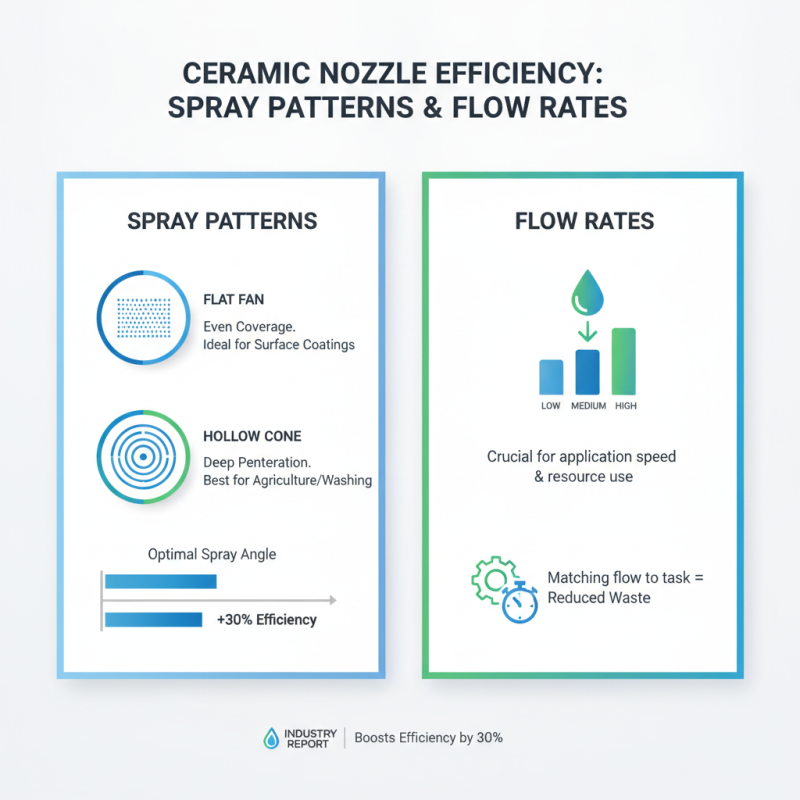
When evaluating ceramic spray nozzles for industrial applications, spray patterns and flow rates are crucial metrics. Leading nozzle models often feature diverse spray patterns, impacting coverage and efficiency. Research indicates that nozzles with a flat fan pattern tend to provide even coverage, making them ideal for surface coatings. In contrast, hollow cone patterns excel in applications needing deep penetration, such as in agricultural settings. According to a recent industry report, optimal spray angles can enhance efficiency by up to 30%.
Flow rates are equally significant. Studies show that adjusting flow rates can significantly influence the material usage and operational costs. The ability to achieve precise flow control often distinguishes higher-quality nozzles from less effective ones. A report published in 2022 emphasized that nozzles achieving flow rates close to 6 gallons per minute (GPM) reduce waste by nearly 23%. However, achieving the right balance between flow rate and spray consistency requires ongoing analysis and adjustments. Sometimes, what works in theory doesn't align with practical use. Continuous feedback is essential for optimizing performance in diverse industrial applications.
Environmental Impact and Sustainability of Ceramic Spray Nozzle Technologies
Ceramic spray nozzles play a pivotal role in various industrial applications. Their design often incorporates advanced materials that resist wear, corrosion, and high temperatures. This enhances their durability and efficiency. However, the environmental impact of these technologies cannot be ignored. The production and disposal of ceramic materials involve significant energy consumption and may contribute to environmental degradation.
Sustainability in ceramic nozzle technology is gaining attention. Many manufacturers are exploring ways to reduce waste and implement recycling processes. Creating nozzles that use less material or are made from eco-friendly resources can minimize footprints. But challenges remain. Some ceramic processes still rely on traditional methods that consume considerable resources. This calls for innovation and a shift towards greener practices.
The balance between performance and sustainability is complex. The effectiveness of a nozzle should not compromise environmental responsibility. Continuous assessment is vital. Industry leaders must focus on improving processes while maintaining high standards of quality. A shared commitment to protecting the environment will encourage advancements in ceramic technology that benefit both industry and nature.