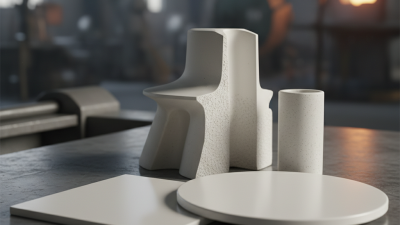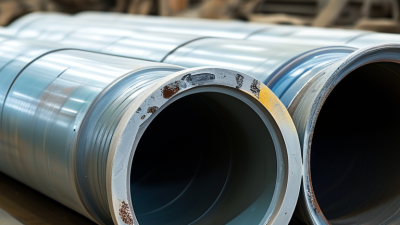
Global buyers are entering 2026 with stricter expectations for Alumina Ceramic Plate suppliers. Price still matters, but it no longer tells the whole story. Buyers now examine alumina purity, flexural strength, surface finish, dimensional tolerance, packaging, and production traceability. A plate used inside a vacuum chamber cannot be evaluated like a simple laboratory tile. Its edge quality, flatness, and thermal behavior may affect the entire assembly.
Industry research supports this broader view. Grand View Research identifies advanced ceramics as a growing market, driven by electronics, medical equipment, energy systems, and industrial automation. Fortune Business Insights also reports continued expansion in the global advanced ceramics sector, with technical ceramics gaining demand in high-temperature and electrically insulating applications. The U.S. Geological Survey’s Mineral Commodity Summaries highlights alumina as a major global industrial material, supporting a large and competitive raw-material supply chain. These reports provide useful direction, although they do not rank individual plate manufacturers. Market data is not supplier verification.
The 2026 supplier landscape therefore requires practical comparison. Strong candidates should provide material certificates, batch records, test methods, and realistic tolerance data. Ask for sample plates before approving a large order. Inspect the corners. Measure thickness at several points. Confirm whether “99.5% alumina” refers to tested composition or a standard product label. Small wording differences can create expensive misunderstandings. This guide evaluates supplier capability, customization, quality control, export experience, and after-sales communication. No ranking is perfect. A supplier with impressive equipment may still fail on delivery consistency. Reliability must be proven through evidence, not polished brochures.
Alumina Ceramic Plates: Definition, Composition, and Key Properties
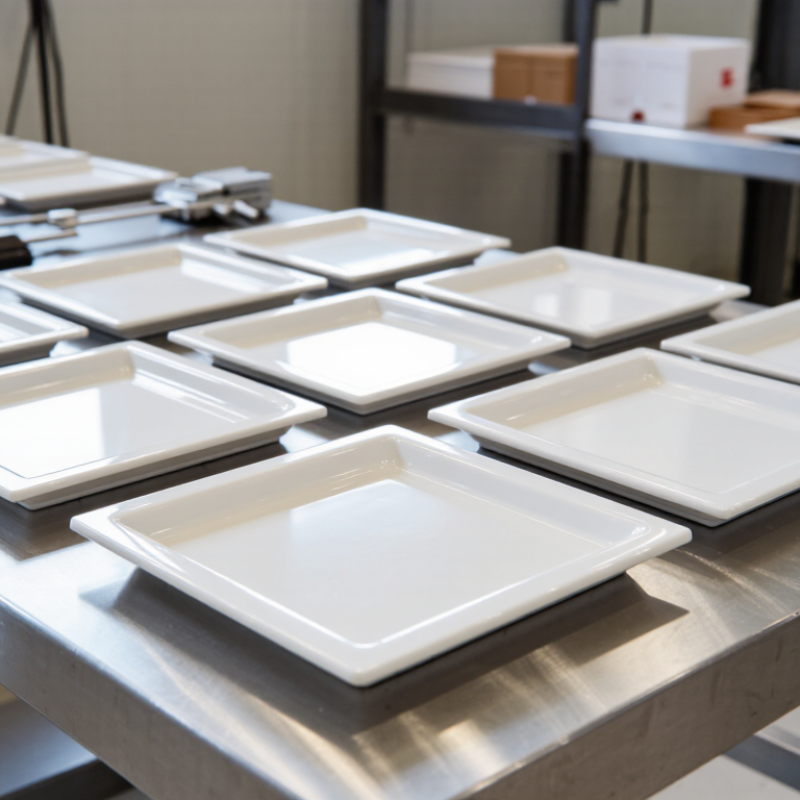
Alumina ceramic plates are rigid, non-metallic components made mainly from aluminum oxide, or Al2O3. Manufacturers blend alumina powder with binders and controlled additives. The mixture is pressed, dried, and sintered at high temperatures. Alumina content commonly ranges from 85% to 99.9%. Higher purity usually improves hardness, chemical resistance, and electrical insulation. However, it may increase cost and reduce machining flexibility.
These plates resist abrasion, corrosion, and heat. Their smooth surfaces can support sliding parts, laboratory fixtures, and electrical insulation systems. Alumina also maintains stable dimensions under demanding temperatures. It is hard, but not forgiving. Sudden impact, sharp corners, or uneven mounting can cause cracks. In practice, no grade performs equally well in every application. Buyers should check density, surface finish, thickness tolerance, dielectric strength, and thermal expansion data. Reliable suppliers should provide inspection records, batch traceability, and practical guidance based on operating conditions.
Tips: Define the load, temperature, chemical contact, and required plate size before requesting quotes. Ask for sample testing when performance matters. Do not select purity by percentage alone. A lower-cost grade may work better for moderate wear, while a premium grade may be unnecessary. One detail is often missed: edge design. Rounded edges can reduce chipping during handling and installation. Supplier claims also deserve review. Independent test data is more useful than broad marketing language.
How to Evaluate Alumina Ceramic Plate Suppliers in 2026
Global alumina supply is large, but plate quality still varies sharply. The USGS Mineral Commodity Summaries 2025 reported roughly 140 million metric tons of alumina output in 2024. That figure describes scale, not consistency. Ask suppliers for alumina purity, powder origin, forming method, and batch traceability. A clear lot number should follow the plate from raw powder to final inspection.
Evaluate performance with measurable evidence. Request density, water absorption, hardness, surface roughness, and flexural strength data. Test reports should reference recognized methods, such as ASTM C1161 for ceramic flexural strength. ISO-based quality systems also help, but certification alone proves little. Check whether the report matches your actual thickness and dimensions. Thin plates can show different failure behavior.
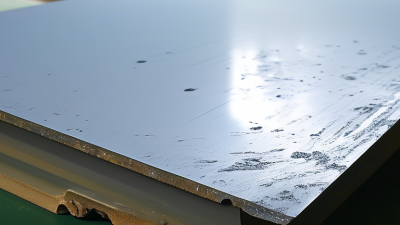
Inspect packaging, too. Shock-absorbing separators, moisture control, and corner protection matter during ocean transport. Ask for sample plates before signing a large contract. Measure flatness with a gauge, not a photograph. One practical warning: suppliers may present average values while hiding variation between batches. That deserves questions. I would also review rejected samples, delivery records, and corrective-action reports. A polished brochure is useful, but imperfect production evidence is often more revealing.
How to evaluate alumina ceramic plate suppliers in 2026: a practical buyer framework based on the factors most relevant to industrial ceramic sourcing.
The recommended evaluation score gives the greatest weight to technical quality and consistency, followed by certifications, customization capability, delivery reliability, total cost, and sustainability. Buyers can use these percentages to compare suppliers without relying on brand or company-name data.
Global buyers should treat alumina ceramic plate quality as a measured system, not a catalog claim. The USGS Mineral Commodity Summaries 2025 reported global alumina production of approximately 145 million metric tons in 2024. This scale supports supply, but it does not guarantee consistent plate performance. Buyers should request alumina purity, bulk density, open porosity, hardness, flexural strength, and dimensional tolerances. A 96% alumina plate commonly targets about 3.70 g/cm³ density, while higher-purity grades may exceed 3.80 g/cm³. These values vary by forming and firing methods.
Testing must match the final application. ASTM C1161 provides a recognized method for flexural strength testing of advanced ceramics. ASTM C1421 addresses fracture toughness and related mechanical properties. Ask for batch-level reports, not only a general brochure. ISO 9001 certification can support process control, but it cannot replace product testing. Traceability should connect each plate to raw material records, furnace conditions, inspection results, and packaging checks. Small details matter.
Safety also depends on handling and installation. Plates should arrive free from edge chips, sharp cracks, and contamination. Packaging must protect corners during international transport. A practical compliance file may include composition declarations, safety data, restricted-substance statements, and inspection records. I would not accept “high strength” without a test temperature and standard. That wording is too loose. Even experienced buyers can overlook thermal shock, drilled-hole stress, or moisture-related packaging damage. Reliability begins with uncomfortable questions.
For global buyers, choosing an alumina ceramic plate supplier requires more than a low quotation. Practical evaluation starts with stable material grades, controlled sintering, and documented inspection routines. Ask for test data covering density, hardness, flexural strength, and dimensional tolerance. A capable supplier should explain how these values change across plate thicknesses. Experience matters here. Small changes in firing temperature can affect warpage and surface finish. Some suppliers provide impressive samples, yet struggle with repeat orders. That gap deserves attention.
Customization should be measured in drawings, not promises. Discuss plate size, hole patterns, edge chamfers, mounting features, and surface requirements before requesting a price. Technical teams should review tolerances against machining limits and actual application loads. Alumina is hard, but it is not immune to chipping during drilling or transport. Ask how green machining, diamond grinding, cleaning, and packing are managed. A reliable supplier will identify risks early, even when that delays a quotation. This is less convenient, but usually safer.
Production capacity also needs evidence. Request monthly output by product type, furnace availability, lead-time records, and backup plans for equipment maintenance. A large stated capacity may include unrelated ceramic products. Verify it with a pilot batch and repeat inspection. For urgent programs, reserve capacity and approve a realistic buffer. My experience is that buyers often focus on maximum output, then overlook quality consistency. That assumption can be costly. Supplier audits, traceable reports, and direct engineering communication create stronger confidence than polished sales material.
| Supplier Profile | Typical Alumina Purity | Bulk Density | Vickers Hardness | Flexural Strength | Common Plate Size Range | Typical Thickness Range | Custom Shape Capability | Annual Production Capacity | Typical MOQ | Standard Lead Time | Quality and Export Documentation | Best-Fit Applications | Capability Rating |
|---|---|---|---|---|---|---|---|---|---|---|---|---|---|
| Supplier Profile A | 95%–99% Al₂O₃ | 3.65–3.85 g/cm³ | 10–16 GPa | 280–380 MPa | Up to 600 × 600 mm | 0.5–25 mm | High; laser cutting, CNC machining, drilled holes, slots, and chamfers | Approximately 1,200–2,000 tonnes per year | 50–100 pieces | 4–7 weeks | Dimensional inspection, material certificate, packing list, commercial invoice, and export packaging documentation | Electrical insulation, wear-resistant liners, laboratory equipment, and general industrial components | ★★★★☆ |
| Supplier Profile B | 96%–99.7% Al₂O₃ | 3.70–3.90 g/cm³ | 14–20 GPa | 320–420 MPa | Up to 500 × 500 mm | 0.3–20 mm | Very high; precision grinding, tight-tolerance machining, countersinks, and complex profiles | Approximately 700–1,100 tonnes per year | 20–50 pieces | 5–8 weeks | Inspection report, lot traceability, dimensional records, surface-finish data, and certificate of conformity | Precision equipment, semiconductor-related tooling, analytical instruments, and high-voltage insulation | ★★★★★ |
| Supplier Profile C | 90%–96% Al₂O₃ | 3.45–3.70 g/cm³ | 9–14 GPa | 220–330 MPa | Up to 1,000 × 1,000 mm | 2–40 mm | Medium; large flat plates, simple holes, edge machining, and basic cut-to-size work | Approximately 2,500–4,000 tonnes per year | 100–300 pieces | 3–6 weeks | Basic dimensional report, chemical composition declaration, palletized export packing, and standard shipping documents | Bulk material handling, kiln furniture, abrasion protection, and large industrial lining plates | ★★★★☆ |
| Supplier Profile D | 99.5%–99.9% Al₂O₃ | 3.80–3.95 g/cm³ | 16–22 GPa | 350–450 MPa | Up to 400 × 400 mm | 0.2–15 mm | Very high; thin plates, micro-drilling, precision lapping, metallization-ready surfaces, and tight flatness control | Approximately 300–600 tonnes per year | 10–30 pieces | 6–10 weeks | Full inspection dossier, batch traceability, surface roughness data, flatness report, and restricted-substance declaration when required | Electronic substrates, vacuum components, sensor assemblies, and precision electrical insulation | ★★★★★ |
| Supplier Profile E | 92%–99% Al₂O₃ | 3.55–3.85 g/cm³ | 10–18 GPa | 260–400 MPa | Up to 700 × 700 mm | 1–30 mm | High; waterjet or diamond cutting, grooves, holes, bevels, and moderate-size custom assemblies | Approximately 900–1,500 tonnes per year | 50–150 pieces | 4–8 weeks | Material certificate, first-article inspection, packing photos, export documentation, and optional third-party inspection | Wear plates, pump components, mechanical seals, furnace parts, and customized industrial fixtures | ★★★★☆ |
| Supplier Profile F | 85%–95% Al₂O₃ | 3.30–3.65 g/cm³ | 8–13 GPa | 180–300 MPa | Up to 800 × 800 mm | 3–50 mm | Medium; standard plates, rough cutting, drilled holes, and simple edge finishing | Approximately 1,800–3,000 tonnes per year | 200–500 pieces | 3–5 weeks | Basic quality certificate, product identification, standard export packing, and commercial shipping documents | Cost-sensitive wear protection, chute liners, thermal supports, and general-purpose industrial applications | ★★★☆☆ |
2026 Best Alumina Ceramic Plate Suppliers for Global Buyers
Ordering alumina ceramic plates internationally requires more than comparing unit prices. Grand View Research’s advanced ceramics report identifies electronics, energy, and medical equipment as major demand sectors. These applications require stable purity, strength, and dimensions. Ask suppliers for alumina content, density, porosity, surface finish, and tolerance data before requesting quotations. A practical order should include drawings, inspection standards, packaging requirements, and an agreed Incoterm. Start small.
Shipping damage often appears as edge chipping, not total breakage. Request individual separators, moisture-resistant wrapping, shock-resistant cartons, and reinforced export crates. Confirm gross weight, pallet dimensions, HS classification, insurance responsibility, and destination customs documents. Freightos market data shows that ocean freight prices can change sharply with route disruptions, so buyers should compare valid freight quotations rather than rely on old estimates. Air shipping may reduce lead time, but it can raise landed costs significantly.
Supplier verification needs evidence, not attractive websites. Review a recent certificate of analysis, batch number, dimensional inspection report, and test method. ASTM C1161 and ISO 14704 are useful references for evaluating ceramic flexural strength. Check whether the report matches the exact plate grade and production batch. Request a video inspection or independent pre-shipment inspection when the order is valuable. I have learned that a polished certificate can still hide inconsistent edge quality. One sample is not enough; test several pieces from different batches. Complaints become expensive after customs clearance.