What are Ceramic Sleeves and Their Uses for Global Buyers?
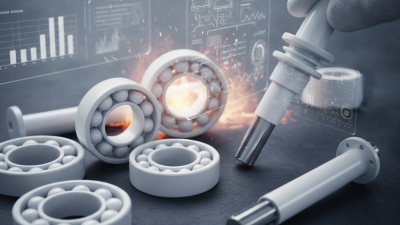
Ceramic Sleeves are gaining attention in various industries for their unique properties. These tubes, made from durable ceramic materials, offer exceptional resistance to wear and high temperatures. This makes them ideal for applications in automotive, aerospace, and manufacturing industries. Buyers worldwide are increasingly aware of these benefits.
The versatility of Ceramic Sleeves is noteworthy. They can be used to insulate electrical components, protect against heat, and even enhance the durability of machinery. In addition, they play a significant role in improving product efficiency. However, some buyers may overlook the importance of sourcing quality Ceramic Sleeves. Not all products in the market meet the required standards.
Establishing trust with reputable suppliers is crucial. Not every supplier guarantees the same quality. Buyers should conduct thorough research before making a decision. Be cautious about pricing; lower costs can sometimes mean compromised quality. Understanding the specific requirements for your applications will lead to better choices and longer-lasting results. In this landscape, knowledge and discernment are key to leveraging the full potential of Ceramic Sleeves.
Definition and Composition of Ceramic Sleeves
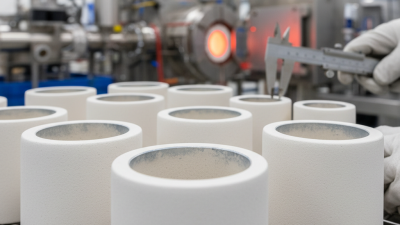
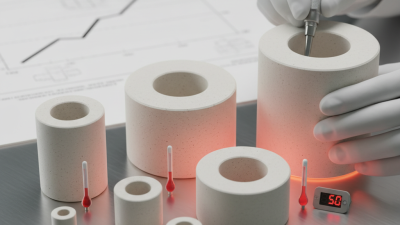
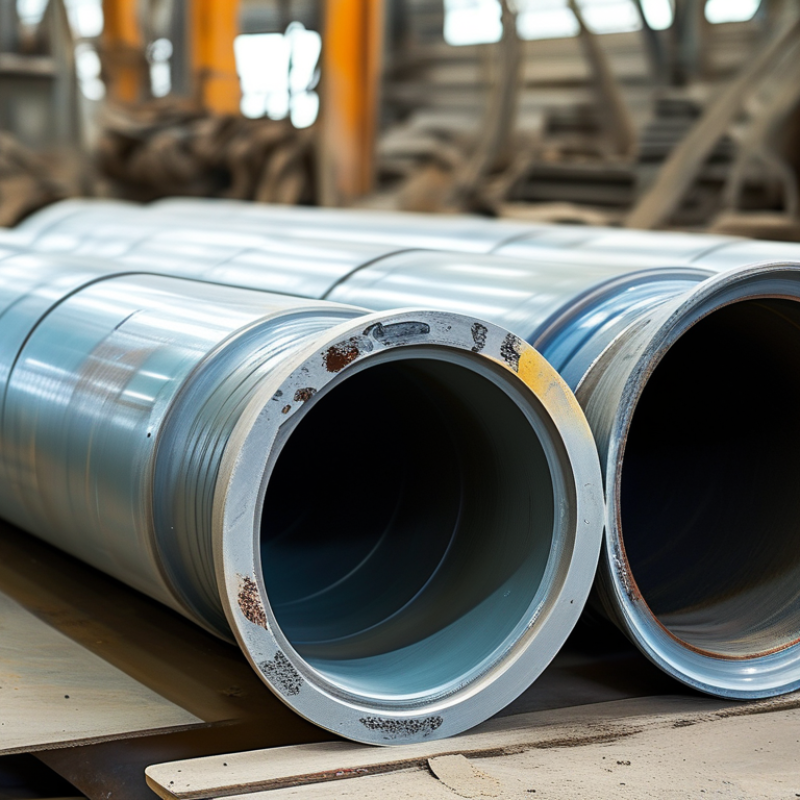
Ceramic sleeves are specialized components made from advanced ceramic materials. These sleeves offer excellent resistance to heat and wear. They are widely used in various industries such as automotive, aerospace, and manufacturing. The primary composition involves alumina, silica, and other ceramics that enhance durability.
Tips: When selecting ceramic sleeves, consider the operating conditions. Different environments may require specific formulations to ensure maximum performance.
These sleeves are lightweight and can withstand extreme temperatures. Their non-conductive nature makes them ideal for electrical applications. However, potential users should be cautious. Not all ceramic compositions perform equally well under diverse stress factors.
Tips: Always conduct thorough testing before large-scale use. Understanding how ceramic sleeves react in your specific application is crucial.
The reliability of ceramic sleeves is well-documented, yet challenges can arise. Manufacturing defects or improper installation can lead to failures. Continuous evaluation of the production process may help in identifying potential issues.
What are Ceramic Sleeves and Their Uses for Global Buyers? - Definition and Composition of Ceramic Sleeves
| Property |
Value |
| Material Composition |
Alumina (Al2O3), Zirconia (ZrO2) |
| Typical Application |
Wear Resistant Linings, High-Temperature Insulation |
| Temperature Resistance |
Up to 1500°C (2732°F) |
| Density |
3.5 - 4.0 g/cm³ |
| Hardness (Mohs Scale) |
7.5 - 8 |
| Applications in Industries |
Aerospace, Automotive, Electronics, Chemical Processing |
| Coating Options |
Thermal Barrier Coatings, Protective Coatings |
| Key Benefits |
High Durability, Chemical Resistance, Low Thermal Conductivity |
Key Characteristics and Benefits of Ceramic Sleeves
Ceramic sleeves are innovative solutions used across various industries. They offer significant advantages due to their unique properties. These materials exhibit high resistance to heat and wear, making them ideal for demanding applications. Markedly, their lightweight nature is pivotal for performance enhancement. Additionally, ceramic sleeves are chemically inert, meaning they won’t react with other substances.
One of the key characteristics of ceramic sleeves is their durability. They can withstand severe conditions, including corrosive environments. This feature ensures they have a long operational life. Moreover, the non-conductive nature of ceramics offers safety benefits in electrical applications. However, it's essential to consider their brittleness. This can lead to breakage if mishandled, which poses challenges during installation.
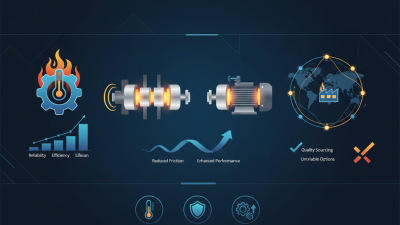
The applications of ceramic sleeves extend beyond traditional uses. They are utilized in automotive, aerospace, and manufacturing sectors. Each application demands specific performance traits. For example, in automotive engines, they help reduce friction and enhance efficiency. Understanding these uses helps buyers make better decisions. However, buyers should also evaluate the trade-offs involved. Balancing performance with potential risks is crucial.
Characteristics and Benefits of Ceramic Sleeves
Common Applications of Ceramic Sleeves in Various Industries
Ceramic sleeves have gained traction in various industries for their durability and resistance to wear and heat. In the aerospace sector, for instance, these components are critical in protecting sensitive parts. According to industry reports, ceramic sleeves can withstand extreme temperatures, providing essential insulation. This property is vital for modern jet engines, which operate at high thermal levels.
In the automotive industry, ceramic sleeves are used in various applications, from engine components to brake systems. Their lightweight nature helps improve fuel efficiency. A study from the automotive market analysis suggests that ceramic materials can reduce overall weight by up to 30% compared to metals. This is increasingly relevant as companies push towards more sustainable manufacturing practices.
Another significant application lies in the electronics field. Ceramic sleeves protect electrical components by providing insulation and enhancing performance. Market data shows that the demand for ceramic insulators in electronics is expected to rise by over 15% annually.
Nonetheless, reliance on ceramic materials presents challenges. The brittleness of ceramics raises concerns about durability under mechanical stress. This ongoing debate highlights the need for continuous innovation in material science to enhance the resilience of ceramic products.
Factors to Consider When Purchasing Ceramic Sleeves
When considering the purchase of ceramic sleeves, several factors come into play. Buyers should focus on the material composition. Different types of ceramics offer varying levels of thermal and mechanical properties. Data suggests that the global ceramic materials market is expected to reach $244 billion by 2027, highlighting the growing importance of these products. Evaluating the specific requirements, such as temperature resistance and durability, is essential.
Another critical aspect is the manufacturing process. The quality control measures during production can significantly impact the performance of ceramic sleeves. Reports from industry experts indicate that poorly managed quality can lead to failures in applications, which may incur high replacement costs. Buyers need to ensure that the suppliers they are considering have reliable quality assurance protocols in place.
Lastly, compatibility with existing systems is vital. It is crucial to assess if the ceramic sleeve fits the requirements of the machinery or devices. Misalignment can result in operational inefficiencies. Some users overlook this factor, leading to disappointing results. Careful evaluation of compatibility can save time and resources, making it an essential aspect of the purchasing decision when acquiring ceramic sleeves.
Future Trends and Innovations in Ceramic Sleeve Technology
The future of ceramic sleeve technology is promising and innovative. Researchers are exploring new materials that enhance durability and performance. Advanced ceramics promise improved resistance to high temperatures and corrosion, making them ideal for various applications.
In industries like aerospace and automotive, ceramic sleeves are gaining traction. They offer lightweight solutions without compromising strength. This evolution reflects a shift towards sustainable practices, where environmentally friendly materials play a crucial role. Recently, the trend has incorporated recyclable materials in production processes.
However, there are challenges in the development of ceramic sleeves. Achieving a perfect balance between flexibility and rigidity remains a concern. Manufacturers need to consider how to optimize production methods for cost-effectiveness. Innovation in this sector will require collaboration between scientists and engineers to overcome these hurdles.