2026 Top Trends in Alumina Ceramic Bearings and Shafts Exposed?
The landscape of engineering materials is evolving rapidly. Alumina ceramic bearings and shafts are at the forefront of this change. Their unique properties excel in harsh environments, offering high resistance to wear and heat. This makes them vital in industries like aerospace and automotive.
Alumina ceramic bearings and shafts boast impressive mechanical strength. They also have excellent electrical insulation. These features make them appealing for precision applications. However, the market is not without challenges. The manufacturing process can be complex and costly, influencing accessibility.
As we look toward 2026, trends in alumina ceramic technology will shape their future. Innovations in design and production methods are on the rise. Understanding these trends is crucial for businesses aiming to incorporate these advanced materials. The journey with alumina ceramic bearings and shafts is exciting, yet it requires careful navigation of potential obstacles.
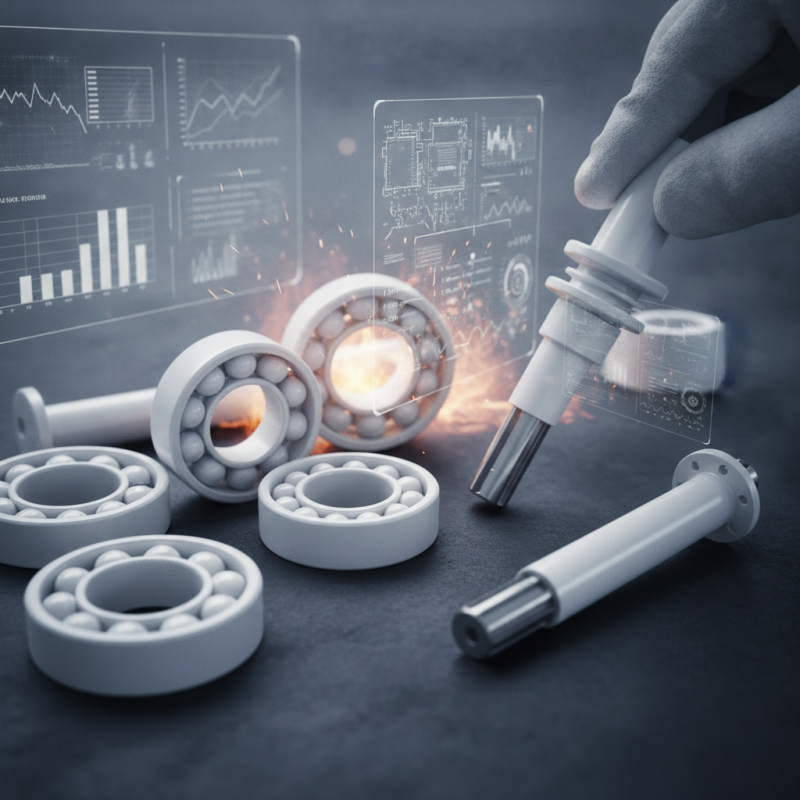
Emergence of Alumina Ceramic Materials in Bearing Technology
The rise of alumina ceramic materials marks a significant shift in bearing technology. These innovative materials offer superior wear resistance and reduced friction. Unlike traditional metals, alumina ceramics exhibit excellent thermal stability and corrosion resistance, making them ideal for demanding environments.
In industries like aerospace and medical devices, the performance of bearings is crucial. Alumina ceramic bearings can withstand extreme conditions, contributing to longer lifespans and reduced maintenance costs. The lightweight nature of these materials also enhances energy efficiency.
Tip: When selecting bearing materials, consider the specific application environment. Assess factors such as temperature, load, and chemical exposure. This will ensure you choose the right material for optimal performance.
There is still much to explore in this field. The manufacturing process of alumina ceramics can be complex, and ensuring quality control is essential. There may be inconsistencies in the material properties that need attention. Reliability in actual use needs further research.
Tip: Always conduct trials when implementing new materials in production. This helps identify potential issues early in development. Performance testing can provide invaluable data for future improvements.
Key Advantages of Alumina Ceramic Bearings Over Traditional Materials
Alumina ceramic bearings are gaining attention for their numerous advantages over traditional materials. One of the key benefits is their exceptional hardness. This property makes them highly resistant to wear, extending the lifespan of machinery. When used in harsh environments, they perform reliably without significant degradation. This is crucial in industries like aerospace and automotive.
Moreover, alumina ceramics exhibit excellent thermal stability. They can withstand high temperatures without losing strength or structure. This is a stark contrast to typical metal bearings that may warp or degrade under similar conditions. Their lightweight nature reduces overall system weight, enhancing efficiency.
Another advantage is chemical resistance. Alumina ceramic bearings resist corrosion from various substances. This makes them ideal for applications in chemistry and food processing. However, it is essential to remember that the brittleness of ceramics can be a concern. They may crack under high impact loads. Understanding these strengths and weaknesses is vital for making informed decisions in material selection.
2026 Top Trends in Alumina Ceramic Bearings
The bar chart above illustrates the key advantages of Alumina Ceramic Bearings over traditional materials. Each advantage is rated on a scale of 0 to 100%, showcasing their superior performance in various aspects such as wear resistance, temperature stability, and corrosion resistance.
Market Demand and Future Applications for Alumina Ceramic Bearings
The demand for alumina ceramic bearings is surging, especially in aerospace and automotive industries. According to a recent market analysis, the global ceramic bearings market is projected to grow at a CAGR of 8.6% by 2026. This growth is fueled by the need for lightweight, durable components that can withstand high temperatures and corrosive environments. Alumina ceramics offer excellent wear resistance and low friction, making them ideal for various applications.
In the medical field, alumina ceramic bearings are seeing increased adoption. Their biocompatibility provides a reliable solution for surgical implants. Reports indicate that they can significantly reduce the risk of infection compared to traditional materials. However, challenges remain, such as the high cost of production and the need for advanced fabrication techniques. These factors contribute to a slower market penetration than anticipated.
Tip 1: When considering materials, evaluate not only cost but also long-term performance. This could lead to significant savings.
Tip 2: Consider the application intensity. The higher the load and temperature, the more crucial material choice becomes.
The future of alumina ceramic bearings looks promising, but it demands careful planning and innovation. Ongoing research into improving manufacturing processes could enhance accessibility and affordability.
2026 Top Trends in Alumina Ceramic Bearings and Shafts Exposed? - Market Demand and Future Applications for Alumina Ceramic Bearings
| Trend |
Market Demand (2026) |
Applications |
Growth Rate (%) |
| Increased Usage in Automotive |
350 million units |
Wheel bearings, Engine components |
15% |
| Aerospace Applications |
150 million units |
Landing gear, Turbine engines |
12% |
| Medical Device Manufacturing |
100 million units |
Dental and orthopedic implants |
10% |
| Robotics and Automation |
200 million units |
Precision machinery, Servo motors |
18% |
| Growing Demand in Electronics |
300 million units |
Smartphones, Laptops |
14% |
Environmental Impact and Sustainability of Alumina Ceramic Manufacturing
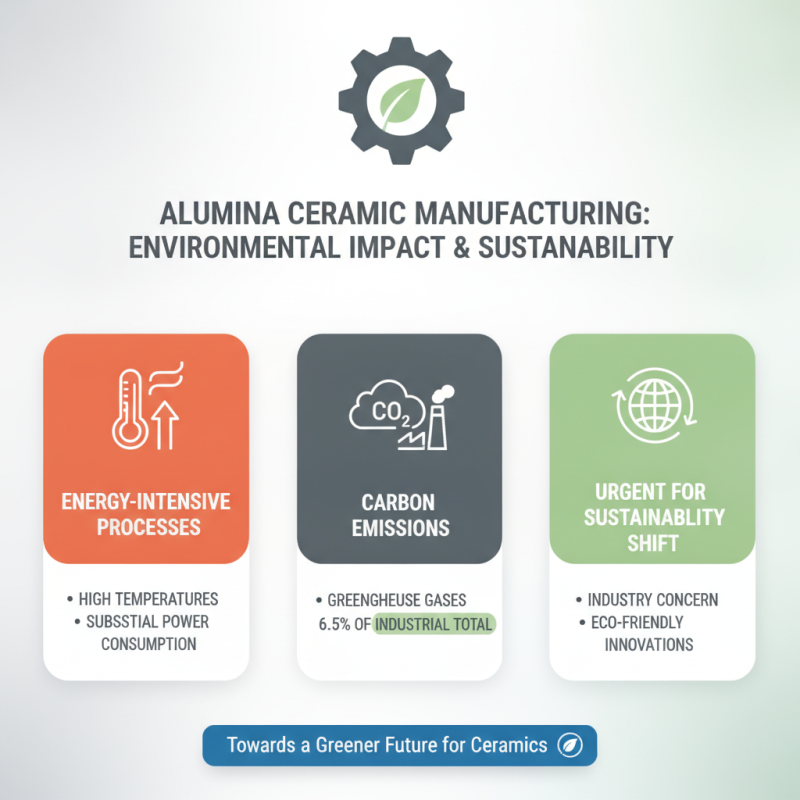
The manufacturing process of alumina ceramic bearings and shafts has a significant environmental impact. High-temperature processes are energy-intensive and contribute to carbon emissions. Recent studies indicate that the production of ceramics generates roughly 6.5% of total industrial greenhouse gases. As industries shift towards sustainable practices, this figure raises concerns.
To counteract this, many manufacturers are exploring alternative methods, including the use of renewable energy sources. The integration of solar energy in manufacturing processes can reduce carbon footprints by up to 50%. Moreover, recycling alumina waste helps minimize natural resource exploitation. This promotes a circular economy approach, aligning with sustainable business practices.
**Tips:**
- Consider energy-efficient technologies to lower emissions.
- Regularly assess the environmental impact of your processes.
- Engage in partnerships focused on sustainability.
Addressing these challenges requires commitment and innovation. The industry must remain aware of its ecological footprint. Transitioning to greener methods is not just a trend; it is a necessity for long-term survival.