Top Alumina Ceramic Bearings and Shafts Suppliers
Alumina ceramic bearings and shafts are selected for demanding assemblies where corrosion resistance, electrical insulation, and low wear matter. Their value becomes clear in a pump running near chemical washdown: the bearing must stay dimensionally stable while the shaft rotates with minimal friction. Alumina is hard, but it is not immune to impact or poor alignment. Small design errors can become costly.
The market context is encouraging, though supplier claims deserve careful checking. Grand View Research’s Advanced Ceramics Market analysis identifies industrial machinery, electronics, and transportation as important demand sectors. These broad market figures do not prove that every alumina component suits a specific machine. Buyers should compare material purity, density, surface finish, dimensional tolerances, and test methods. Ask for inspection records, not only a polished catalogue. ASTM C1161 provides a recognized method for measuring flexural strength in advanced ceramics, while component-specific testing remains essential. Good data helps.
This guide to Top Alumina Ceramic Bearings and Shafts Suppliers focuses on evidence that matters in real procurement: manufacturing capability, application experience, customization, quality documentation, and technical support. It also considers whether suppliers can explain limits, such as brittle failure under shock loading. That honesty matters. “Alumina Ceramic Bearings And Shafts” may appear to be a straightforward product category, yet performance depends on fit, lubrication, load, speed, and operating temperature. A supplier’s sample part can look excellent on a bench and still disappoint in service. Careful qualification is worth the extra time.
What Alumina Ceramic Bearings and Shafts Are
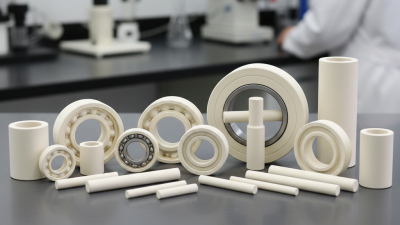
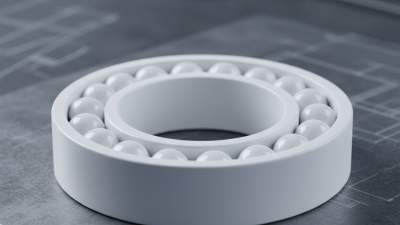
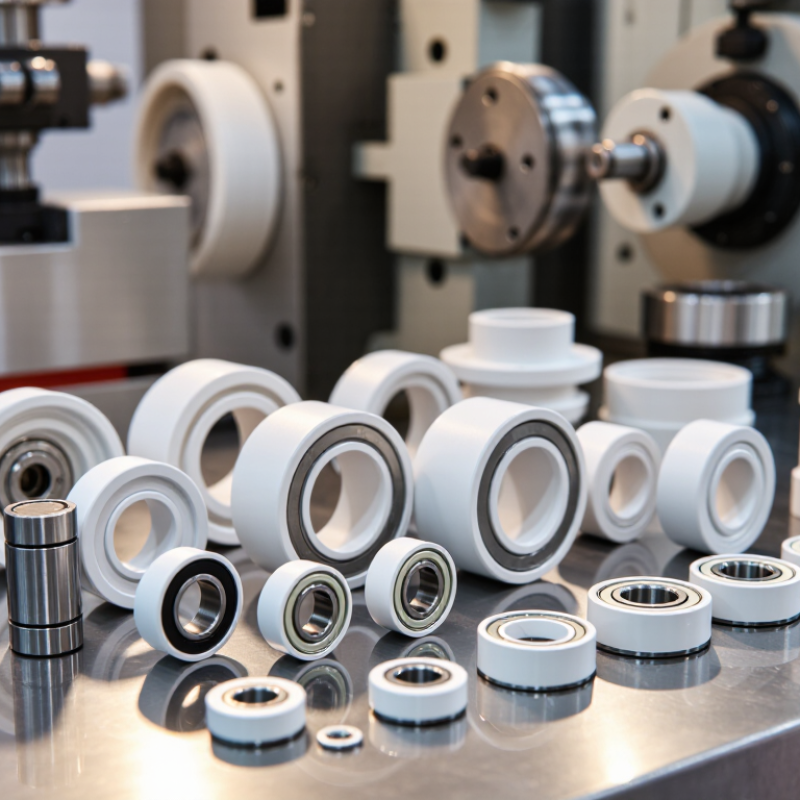
Alumina ceramic bearings and shafts are components made primarily from aluminum oxide, a hard, electrically insulating ceramic. A bearing may use alumina rings and rolling elements, while an alumina shaft supports or transfers rotation in a machine. The exact construction varies by load, speed, temperature, and operating environment.
Details matter.
Alumina resists wear and many corrosive substances, and it can work where electrical insulation is useful. A smooth, pale ceramic surface may look simple, but its finish and dimensional accuracy affect how evenly a bearing runs. These parts can suit pumps, laboratory equipment, and other machines exposed to moisture or process fluids.
They are not automatically suitable for every setup.
The trade-off is brittleness. Alumina can tolerate compressive loads well, yet a sharp impact or poor alignment may cause cracking. Unlike metal, it gives little warning through bending. Fit, shaft support, and operating clearance should be checked against actual service conditions. A ceramic part may also need careful handling during installation.
Easy to overlook.
Choosing a bearing or shaft therefore means balancing hardness and chemical resistance against impact risk, cost, and maintenance needs—not simply selecting the hardest material.
Key Properties and Manufacturing Methods
Alumina ceramic bearings and shafts are valued for hardness, electrical insulation, and resistance to many corrosive environments. Their low density can reduce rotating mass, while high stiffness helps preserve geometry under load. They are not universally better than steel.
Alumina is brittle, and sharp impacts or edge loading can initiate cracks. Hard, but brittle.
In bearing assemblies, designers consider radial load, speed, lubrication, clearance, and mating-surface finish together. A shaft that looks smooth may still wear a softer counterface if its finish or alignment is poor.
Manufacturing usually begins with high-purity alumina powder, blended with binders and formed by pressing, injection molding, or isostatic pressing. The green part is sintered at high temperature, shrinking as grains bond into a dense ceramic.
Precision grinding with diamond tooling then brings bearing races and shaft journals close to final dimensions. Fit matters. Manufacturers may inspect dimensions, roundness, surface roughness, and visible defects; critical parts can receive additional density or flaw checks.
Small process changes can affect shrinkage and finish, so drawings should specify tolerances and operating conditions, not just material grade. Testing under representative load and temperature is useful, since catalog values rarely capture every installation.
How to Evaluate Alumina Ceramic Suppliers
Choosing an alumina bearing or shaft supplier means checking process control, not just quoting a high purity grade. The U.S. Geological Survey’s Mineral Commodity Summaries 2024 estimated global alumina production at about 140 million metric tons in 2023. That scale reflects commodity supply, not the consistency of precision-grade ceramic parts. Ask for lot-specific chemistry, density, open porosity, grain size, and dimensional inspection records. Numbers matter.
For bearing balls, request conformity details against ISO 3290-2; for flexural strength, ASTM C1161 describes a recognized test method. Compare results only when the specimen geometry and test conditions match. Ask for shaft runout, roundness, surface roughness, and inspection methods, plus traceability from powder batch to finished component. A polished certificate is not enough. Test actual samples under expected loads, speeds, temperature changes, and lubrication conditions.
Alumina is hard, but brittle, so a headline hardness value cannot predict service life by itself. Request failure history or Weibull strength data where available, and clarify how defects are screened. I would also question unusually tight tolerances without measurement evidence; even competent suppliers can miss details. One overlooked variable is often the mating surface, which may wear or generate heat before the ceramic fails.
Profiles of Leading Bearing and Shaft Suppliers
Supplier profiles in alumina ceramic bearings and shafts should reveal more than product dimensions. Strong suppliers document alumina purity, bearing geometry, shaft straightness, and inspection methods. Ask for measured runout and surface-finish values, not just “precision” claims. Small differences matter. A shaft that is slightly misaligned can concentrate load on a bearing edge, increasing wear or vibration.
Application experience matters too. Suppliers should explain how they match ceramic grades, clearances, and shaft fits to speed, temperature, contamination, and lubrication conditions.
The U.S. Department of Energy’s 2014 sourcebook, Improving Motor and Drive System Performance, reports that motor-driven systems use about 69% of U.S. manufacturing electricity. That figure underscores why reliable rotating components matter, though it does not prove ceramic bearings suit every motor.
Ceramic components can offer useful corrosion resistance and electrical insulation, but brittle materials demand careful handling and design. A useful supplier profile therefore includes test methods, traceability, and guidance on installation—not only a polished catalogue.
Ask for evidence. Some catalogues leave fit and load limits unclear; buyers should treat that as a point to verify, not assume.
Applications and Supplier Selection Considerations
Alumina ceramic bearings and shafts suit pumps, chemical-processing equipment, and clean, dry spindles where corrosion resistance and electrical insulation matter. They are hard and wear-resistant, but brittle under impact. A ceramic part can still fail early. Misalignment, poor fits, or sudden temperature changes may cause chipping or cracking.
Supplier selection should start with operating details: radial and axial loads, speed, temperature, fluid exposure, lubrication, and shaft tolerances. Ask for material-purity data, dimensional inspection records, surface-finish values, and batch traceability. The U.S. Department of Energy’s 2014 Improving Motor and Drive System Performance sourcebook estimates motor-driven systems consume about 68% of U.S. manufacturing electricity. That figure makes friction and alignment relevant selection questions; it does not prove ceramic bearings automatically reduce energy use. Request application-specific test evidence.
Tips: Share a real duty cycle, not only a maximum speed. Confirm bearing clearance and shaft fit together. Ask how the supplier checks roundness and surface finish. Small details matter. A polished shaft may still perform poorly if installation stresses the bearing.