Inquiry
Form loading...
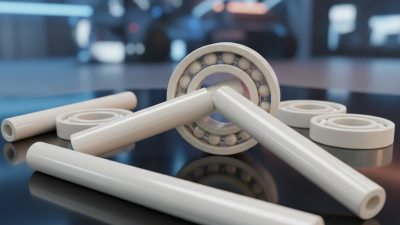
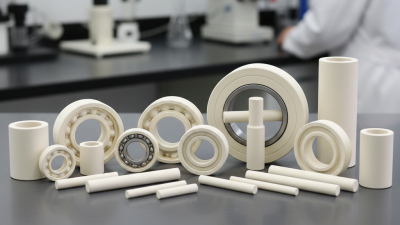
An Alumina Ceramic Radial Bearing is designed to support radial loads while reducing friction between rotating components. It commonly uses alumina, or aluminum oxide, for its ceramic rings and rolling elements. This material is valued for its hardness, electrical insulation, corrosion resistance, and stability in many demanding environments. However, it is not automatically the best choice for every machine.
In practical use, engineers may specify this bearing for laboratory equipment, medical devices, vacuum systems, chemical-processing tools, or high-speed mechanisms. A clean ceramic surface can help maintain smooth movement where metal contamination is undesirable. Picture a small bearing inside a precision spindle, turning quietly while exposed to moisture or electrical current. The operating details matter. Load, speed, temperature, lubrication, shaft accuracy, and housing fit can strongly affect service life.
The term “ceramic” can also create false confidence. Alumina is hard, but it is more brittle than many steel alternatives. Sudden impact, misalignment, excessive preload, or poor installation may cause cracking or premature failure. This guide examines how an Alumina Ceramic Radial Bearing works, where it performs well, and where its limitations become important. It also considers full-ceramic and hybrid designs, because their performance and cost can differ considerably. Some recommendations may require adjustment after testing. That is normal. Reliable selection depends on measured operating conditions, manufacturer data, and inspection experience rather than attractive material claims alone.
What Is an Alumina Ceramic Radial Bearing?
Definition and Basic Structure of an Alumina Ceramic Radial Bearing
An alumina ceramic radial bearing is a rolling bearing made partly or entirely from aluminum oxide, commonly called alumina. Its main function is supporting radial loads while allowing a shaft to rotate with low friction. Radial loads act perpendicular to the shaft. This simple distinction matters during selection.
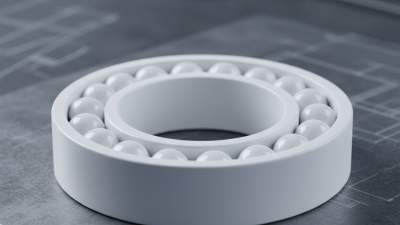
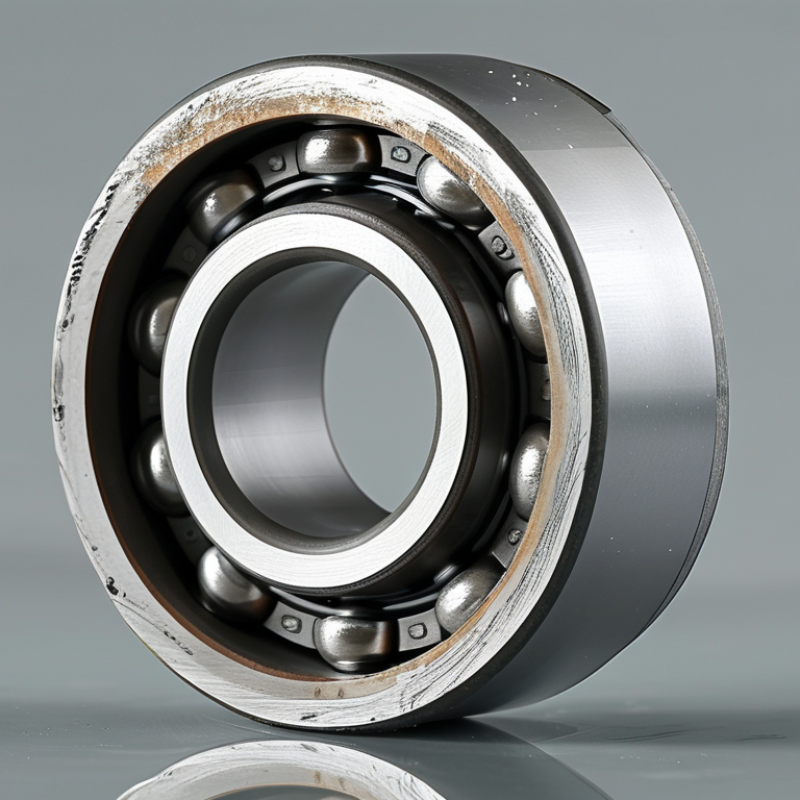
The bearing normally contains an inner ring, outer ring, ceramic balls, and a cage. The inner ring fits around the rotating shaft. The outer ring sits inside the housing. Precision-ground raceways guide the balls between these rings. The cage keeps each ball evenly spaced. Some designs include seals or shields to reduce dust and retain lubricant.
Alumina offers high hardness, electrical insulation, corrosion resistance, and stable performance in many demanding environments. It also has a smooth, nonmetallic surface that can reduce certain wear problems. However, alumina is brittle. A sharp impact, poor alignment, or excessive preload may cause cracking instead of visible deformation. That assumption can fail.
A full ceramic bearing uses alumina for its rings and balls. A hybrid version usually combines ceramic balls with metal rings. The correct structure depends on speed, temperature, load, contamination, and shaft accuracy. During inspection, technicians should check raceway marks, cage movement, clearance, and mounting fit. A clean appearance alone proves very little. Surface finish and internal clearance deserve equal attention.
| Dimension | Description | Typical Data or Materials | Functional Significance |
|---|---|---|---|
| Definition | An alumina ceramic radial bearing is a rolling-element bearing designed primarily to support loads perpendicular to the shaft axis while reducing friction between rotating and stationary components. | Rings and rolling elements made from aluminum oxide ceramic, commonly called alumina or Al2O3. | Provides radial rotation in environments where electrical insulation, corrosion resistance, or chemical stability is important. |
| Bearing Type | Most designs use a single-row deep-groove ball-bearing arrangement, although other radial configurations are possible. | Common configuration: inner ring, outer ring, balls, cage, and optional seals or shields. | The raceway geometry guides the balls and accommodates radial loads with limited axial-load capacity. |
| Inner Ring | The inner ring fits around the rotating shaft and contains the inner raceway on which the rolling elements travel. | Alumina ceramic, or a hybrid arrangement using ceramic rolling elements with a metallic ring. | Transfers shaft loads to the balls and maintains the inner raceway geometry. |
| Outer Ring | The outer ring is normally mounted in a housing and contains the outer raceway. | Alumina ceramic or, in hybrid designs, a corrosion-resistant bearing steel or other compatible metal. | Supports the bearing in the housing and distributes the applied load around the raceway. |
| Rolling Elements | Spherical balls roll between the inner and outer raceways to replace sliding contact with rolling contact. | High-purity alumina balls; exact diameter and quantity depend on the bearing size and load rating. | Reduces friction and wear while carrying the radial load between the two rings. |
| Cage or Separator | The cage keeps the balls evenly spaced and helps prevent contact between adjacent rolling elements. | Common cage materials include PEEK, PTFE, or other application-compatible polymers; some designs use ceramic separators. | Maintains smooth motion, reduces ball-to-ball friction, and helps control lubricant distribution. |
| Material Composition | Alumina is a technical ceramic produced by forming and sintering aluminum oxide powder. | Primary phase: Al2O3; engineering grades commonly contain approximately 90–99.9% alumina, depending on formulation. | Higher alumina content generally improves hardness, chemical resistance, and electrical insulation, while exact performance depends on porosity and processing. |
| Density | Density indicates the mass of the ceramic per unit volume. | Approximately 3.6–3.9 g/cm3 for dense alumina, depending on grade and porosity. | Alumina is lighter than bearing steel, which can reduce centrifugal forces in high-speed applications. |
| Hardness | Hardness describes the resistance of the ceramic surface to indentation and abrasive wear. | Typical Vickers hardness: approximately 1,200–2,000 HV, depending on composition and processing. | Offers strong resistance to abrasive wear, but hardness does not eliminate the risk of brittle fracture or edge chipping. |
| Temperature Capability | The ceramic material itself remains stable at high temperatures, but the complete bearing is limited by the cage, seals, lubricant, and clearances. | Dense alumina has a melting point above 2,000 °C; practical bearing operating temperatures are substantially lower and application-specific. | Suitable for elevated-temperature environments only when all bearing components and lubrication are rated for the intended temperature. |
| Electrical Behavior | Alumina is electrically insulating under normal dry operating conditions. | High electrical resistivity; actual insulation performance depends on moisture, contamination, geometry, and the presence of metallic components. | Can help reduce electrical-current damage in rotating equipment when the bearing is designed as a fully insulating or appropriately specified hybrid assembly. |
| Chemical and Corrosion Resistance | Alumina is generally resistant to oxidation and many acids, alkalis, and solvents, but compatibility must be checked for the specific chemical and temperature. | Very low oxidation tendency; resistance varies with chemical concentration, exposure time, temperature, and ceramic grade. | Useful in corrosive or clean environments where conventional metallic bearing materials may require additional protection. |
| Load Capacity | Radial load capacity is determined by bearing size, internal geometry, number and diameter of balls, material strength, fit, and operating conditions. | No universal load rating applies; ceramic components are hard and wear-resistant but more brittle than bearing steel. | Requires careful control of shock loads, mounting interference, misalignment, and contamination. |
| Lubrication | Lubrication separates contacting surfaces and removes heat generated during operation. | Grease, oil, or dry-film lubrication may be used; the selection depends on speed, temperature, load, vacuum level, and chemical exposure. | Ceramic rolling elements may reduce friction-related heating, but the lubricant remains a major service-life limitation. |
| Seals and Shields | Seals contact the rotating ring to retain lubricant and block contaminants, while shields provide non-contact protection. | Typical materials include elastomers, PTFE-based materials, or metal shields, selected for the operating environment. | Improves contamination control but may increase friction, temperature, or speed limitations. |
| Main Advantages | The combination of ceramic hardness, low density, insulation, and chemical stability gives alumina bearings distinct performance benefits. | Low density, high hardness, electrical insulation, low oxidation, and resistance to many corrosive media. | Well suited to selected electrical, chemical-processing, laboratory, vacuum, and high-cleanliness applications. |
| Main Limitations | Alumina is a brittle ceramic and is less tolerant of impact, excessive interference fits, misalignment, and sudden load changes than many metallic bearing materials. | Higher material and manufacturing cost; lower fracture toughness; performance depends strongly on design, tolerances, lubrication, and installation. | Proper sizing, alignment, handling, surface finish, and operating limits are essential for reliable service. |
Note: Material properties and operating limits are representative ranges for dense alumina and may vary with ceramic grade, porosity, bearing geometry, cage material, lubrication, and application conditions.