How to Choose the Best Engineering Ceramics for Your Project?
Selecting the right engineering ceramics for your project can be daunting. These materials are pivotal in various applications, including aerospace and electronics. Their unique properties offer strength, thermal resistance, and chemical stability. Yet, not all ceramics are created equal.
The selection process often involves challenges. Different projects might require distinct types of engineering ceramics. Clarity about project demands is crucial. Factors like thermal conductivity and mechanical strength must be evaluated. The right choice can enhance performance and durability.
Consider how the environment affects your materials. High temperatures and corrosive conditions can influence performance. Reflect on the specific requirements of your project. Evaluate options closely to find the best fit. Remember, even minor details can lead to significant changes in outcomes.
Understanding Engineering Ceramics and Their Applications
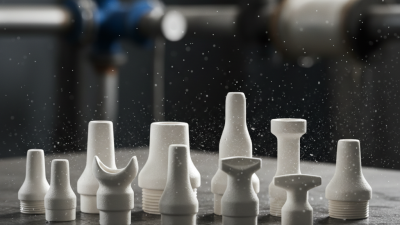
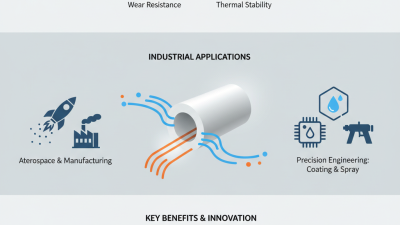
Engineering ceramics are unique materials used in various industries. These ceramics exhibit exceptional properties such as high strength, thermal stability, and wear resistance. They are often found in applications like cutting tools, electronics, and aerospace components. Understanding these materials can greatly enhance project designs.
When selecting engineering ceramics, consider the specific application. Different types offer various benefits. For instance, oxide ceramics are excellent for high-temperature environments. However, they may not perform well in shock conditions. On the other hand, non-oxide ceramics are often tougher but can be more brittle. Each type has trade-offs that need careful evaluation.
The challenge lies in balancing performance and cost. Some advanced ceramics can be expensive. Sometimes, you might find that a less expensive option could suffice for your project. Testing the material in real-world situations is crucial. It helps identify potential failures early. Engineers must remain open to learning from these experiences. This can lead to better choices in future projects.
Key Properties of Engineering Ceramics to Consider
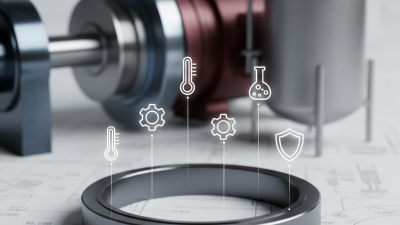
When selecting engineering ceramics for a project, understanding their key properties is crucial. These materials offer high wear resistance, thermal stability, and exceptional mechanical strength. According to a recent industry report, ceramics can withstand temperatures up to 1,600°C. This makes them ideal for high-temperature applications.
One primary property to consider is toughness. Some ceramics, like alumina, have excellent toughness ratings, which can enhance performance under stress. A report from the American Ceramic Society highlights that toughness levels can significantly affect longevity in demanding environments.
Tip: Always assess the specific requirements of your application when choosing a ceramic material.
Another critical factor is thermal conductivity. Certain ceramics have lower thermal conductivity, which makes them suitable for insulation. Yet, if not matched to the conditions, it might lead to thermal shock. The industry points out that mismatched ceramics can fail prematurely.
Tip: Test your selected materials under real-world conditions before full-scale implementation.
Consider also the cost-to-performance ratio. More advanced ceramics might offer superior properties but can be expensive. Balancing your project budget with material performance is essential. A recent market analysis suggests that the right balance can optimize project success while managing costs effectively.
Key Properties of Engineering Ceramics
Factors Influencing the Selection of Engineering Ceramics
Choosing the right engineering ceramics for your project is crucial. Various factors can influence your decision. Mechanical properties like strength and hardness are critical. Data from industry reports show that ceramics can have a compressive strength of over 400 MPa. However, brittleness can be a concern, leading to unexpected failures.
Thermal stability also plays a significant role. Certain ceramics can withstand extreme temperatures without degrading. For example, zirconia ceramics maintain properties up to 1,200°C. Yet, not all applications require such high thermal resistance. Consider your specific needs carefully.
Tips: Evaluate the environment. Will the ceramics face thermal shock? Also, consider the manufacturing process. Some ceramics are easier to mold than others.
Another important aspect is cost. High-performance ceramics are often more expensive. Balancing performance and budget is essential. After all, choosing the most expensive option doesn’t always lead to the best results. Thorough analysis and testing can help refine your selection.
Comparative Analysis of Different Types of Engineering Ceramics
When selecting the right engineering ceramics for your project, it's crucial to understand the comparative analysis of various types available. Engineering ceramics can be classified into several categories, including oxide ceramics, non-oxide ceramics, and composite ceramics. Each type offers distinct properties and performance features.
Oxide ceramics, such as alumina, provide excellent thermal stability and resistance to corrosion. According to data from industry reports, alumina's tensile strength can reach up to 500 MPa. Non-oxide ceramics like silicon carbide exhibit high hardness and can endure extreme temperatures up to 1600°C. When analyzing your project's requirements, consider these variations in thermal and mechanical properties.
**Tip:** Assess the operational environment. If your application involves high stress and abrasion, non-oxide ceramics may be more suitable.
Composite ceramics combine the benefits of different materials. They often exhibit improved toughness and durability. However, they might be more challenging to process. Keep in mind that while choosing a material, the cost (typically $30 to $200 per kg) might also lead to some limitations.
**Tip:** Balance performance and cost. Sometimes, the best choice isn't always the most expensive one.
Tips for Testing and Evaluating Engineering Ceramics for Your Project
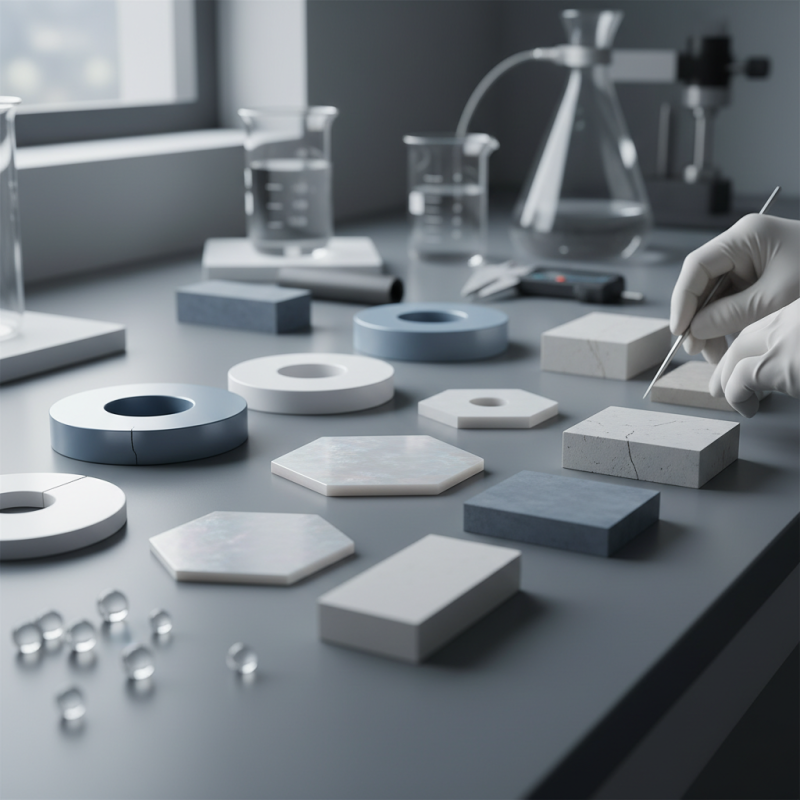
When selecting engineering ceramics for your project, testing and evaluation play crucial roles. Understanding the properties of ceramics can help ensure their suitability. Factors like hardness, wear resistance, and thermal stability should be prioritized. Recent industry reports indicate that over 70% of engineering failures result from material misapplication. Thus, testing is paramount.
For evaluations, consider mechanical tests that assess tensile strength and fracture toughness. These tests provide measurable data on how ceramics will perform under load. Use standardized tests, like ASTM C1161, which evaluates flexural strength. Ensure to conduct these assessments at different temperatures, as thermal performance can change with heat.
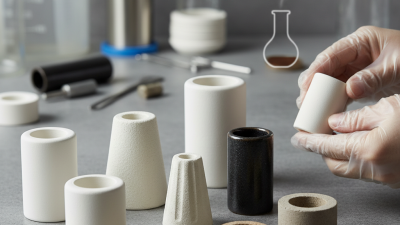
Tip: Always perform a comparative analysis. This means testing several ceramic samples side by side. Such tests can reveal performance gaps. Optionally, incorporate feedback from early stage prototypes. This allows you to identify any flaws before final production. Robust testing can save not just costs, but time too. Small miscalculations in material choice can lead to larger issues later on.