Why Choose Alumina Ceramic Nozzles for Your Industry Needs?
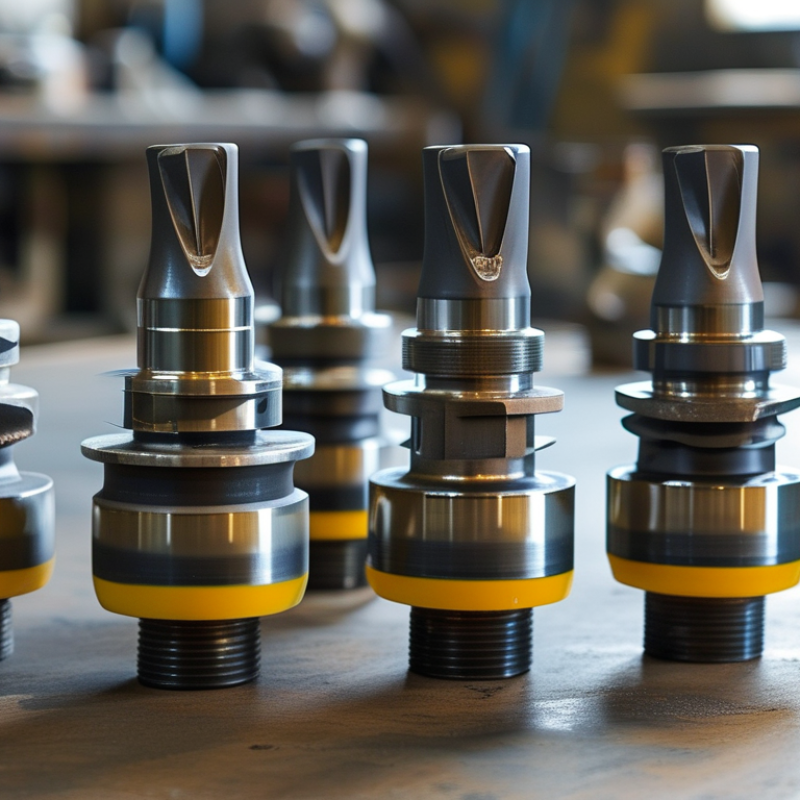
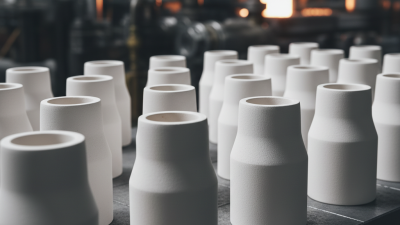
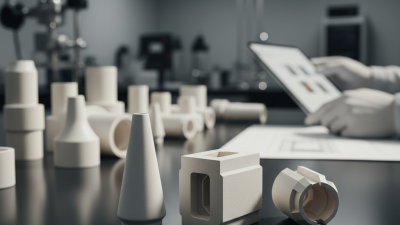
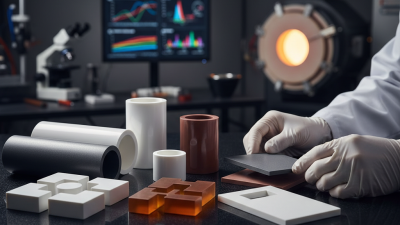
In various industries, choosing the right nozzle material is crucial. One material that stands out is Alumina Ceramic Nozzles. They offer excellent wear resistance and thermal stability. Many industries rely on these nozzles for their durability and efficiency.
Alumina Ceramic Nozzles are ideal for high-temperature applications. They withstand harsh environments that other materials cannot handle. This feature makes them a preferred choice for many engineers. The ability to maintain performance under stress is impressive.
However, it's important to reflect on their limitations. While they excel in many areas, they may not be suitable for every application. Users should assess their specific needs before making a decision. This careful consideration will ensure that Alumina Ceramic Nozzles meet the industry's demands effectively.
Advantages of Alumina Ceramic Nozzles in Industrial Applications
Alumina ceramic nozzles are becoming increasingly popular in various industries. Their unique properties make them ideal for demanding applications. The high hardness of alumina ceramic ensures durability and resistance to wear. This is particularly beneficial in environments where materials are subject to constant friction.
Additionally, alumina ceramic nozzles exhibit excellent thermal stability. They can withstand high temperatures without losing integrity. This makes them suitable for use in processes such as metal casting and powder coating. Furthermore, their chemical resistance prevents degradation in harsh environments. This is crucial for maintaining operational efficiency.
**Tip:** When selecting alumina ceramic nozzles, assess the specific conditions of your application. Consider factors such as temperature and chemical exposure.
The lightweight nature of alumina ceramics reduces handling costs. It also simplifies installation, especially in automated settings. However, it’s important to handle these nozzles with care. They can be brittle, and impacts may cause damage.
**Tip:** Regular inspection and maintenance can extend the lifespan of your ceramic nozzles. Implement a routine check to catch any potential issues early.
Key Properties of Alumina Ceramic That Enhance Performance
Alumina ceramics are increasingly favored in various industries due to their unique properties. High hardness is a standout feature. They exhibit a hardness level of over 1500 on the Vickers scale, making them ideal for applications involving wear and abrasion. This toughness ensures prolonged service life in demanding environments, reducing downtime for maintenance and replacement.
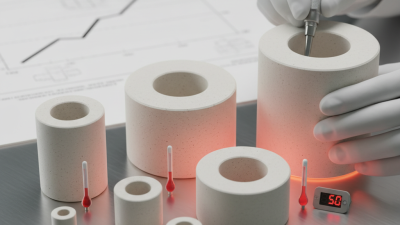
Furthermore, alumina ceramics offer excellent thermal stability, withstanding temperatures up to 1700°C. This characteristic is crucial in industries like aerospace and automotive, where high-performance materials are essential. According to a 2022 report by the Ceramic Industry Association, ceramic components are predicted to enhance energy efficiency by up to 30% in automotive applications. This highlights the growing importance of these materials.
Another significant property is their chemical resistance. Alumina ceramics resist many corrosive agents, contributing to the longevity of components in harsh conditions. However, despite these benefits, the brittleness of alumina ceramics can be a concern. Careful consideration is necessary when designing parts that may experience sudden impacts. Balancing strength with fragility remains a challenge.
Comparative Analysis: Alumina Ceramic Nozzles vs. Traditional Materials
Alumina ceramic nozzles stand out when comparing them to traditional materials. Their high wear resistance surpasses that of metals and plastics, making them suitable for harsh environments. They withstand extreme temperatures without deforming. This durability is crucial in industries like steel, aerospace, and manufacturing.
Moreover, alumina ceramics offer excellent chemical resistance. They resist corrosion far better than conventional materials, reducing downtime and maintenance costs. In contrast, traditional materials often fail in aggressive environments, leading to expensive replacements. Users appreciate the longevity of alumina nozzles, but it’s important to evaluate specific applications.
Some users express concerns about the initial cost of alumina ceramic nozzles. They can be pricier than metal or plastic options. However, the long-term savings often justify the investment. Users might not see immediate benefits, as the true value appears over time. Making the right choice requires careful consideration of both short and long-term needs in your specific operation.
Why Choose Alumina Ceramic Nozzles for Your Industry Needs?
This chart compares the durability ratings of different nozzle materials commonly used in industries. Alumina ceramic nozzles outperform traditional materials such as metal, plastic, and glass, emphasizing their suitability for demanding applications.
Common Industries Utilizing Alumina Ceramic Nozzles
Alumina ceramic nozzles are becoming increasingly important across various industries. These nozzles are favored for their durability and resistance to wear and corrosion. According to a recent report by Research and Markets, the global market for ceramic nozzles is projected to grow significantly, driven by demand from industries such as automotive and aerospace.
In the automotive sector, alumina ceramic nozzles are employed in fuel injectors and spray applications. Their high temperature resistance ensures consistent performance even under extreme conditions. The aerospace industry also utilizes these nozzles in turbine engines. They help optimize fuel efficiency, which is crucial for reducing operational costs. A report from the Aerospace Industries Association indicates that the push for efficiency will see more companies adopting innovative materials like alumina ceramics.
Electronics manufacturing is another field benefiting from alumina ceramic nozzles. These nozzles are essential in the production of circuit boards and semiconductor devices. Their precision enables accurate dispensing of adhesives and pastes. However, the challenge lies in finding the right balance between cost and performance. Some manufacturers might hesitate due to the initial investment required. Despite this, the long-term benefits often outweigh the short-term challenges in many applications.
Why Choose Alumina Ceramic Nozzles for Your Industry Needs? - Common Industries Utilizing Alumina Ceramic Nozzles
| Industry |
Application |
Benefits of Alumina Nozzles |
| Aerospace |
Fuel injection systems, thermal protection |
High-temperature resistance, lightweight |
| Automotive |
Engine components, fuel systems |
Durability, wear resistance |
| Electronics |
Insulators, circuit protection |
Excellent electrical insulation, thermal stability |
| Medical |
Surgical instruments, dental tools |
Biocompatibility, chemical resistance |
| Manufacturing |
Material handling, cutting tools |
High hardness, long service life |
Best Practices for Maintenance and Care of Alumina Ceramic Nozzles
Alumina ceramic nozzles are widely used in various industries due to their durability and high resistance to wear. To ensure optimal performance and longevity, proper maintenance is crucial. Regular inspection of the nozzles can reveal signs of wear or damage. For example, a study from the American Ceramic Society indicates that regular maintenance can extend the lifespan of ceramic nozzles by up to 30%.
Cleaning is another vital aspect of care. Use a soft brush or air compressor to remove any debris. Avoid abrasive materials, as they can cause micro-cracks on the surface. Moreover, storing the nozzles in a controlled environment reduces the risk of thermal shock, a common issue that can lead to rapid deterioration. Reports show that improper storage can cut the lifespan by nearly 20%.
While these ceramic nozzles are robust, they are not infallible. Operators need to be aware of their limits. Delaying maintenance can lead to more severe problems and increased costs. Keeping accurate maintenance records helps in identifying patterns and informing further care strategies. A proactive approach ensures that the nozzles perform effectively throughout their intended service life.