China’s Ceramic Sleeves industry supports precision alignment in fiber-optic connectors, optical transceivers, sensors, and communication equipment. These small components often sit unseen inside a connector. Their bore accuracy, concentricity, hardness, and surface finish can decide whether a connection remains stable.
Industry forecasts show why this niche deserves closer attention. Grand View Research estimates that the global fiber-optics market will continue expanding through 2030, driven by broadband networks, data centers, and 5G infrastructure. MarketsandMarkets also identifies rising data traffic and high-speed connectivity as major growth factors. However, these reports usually measure the wider optical-fiber market. They do not fully reveal the performance differences among Ceramic Sleeves manufacturers.
As fiber-optics pioneer Dr. Charles K. Kao said, “The capacity of optical fiber is almost limitless.” His statement highlights the opportunity, but also the pressure on supporting components. A tiny ceramic sleeve must maintain alignment under repeated insertion, temperature changes, vibration, and production variation. That is not a simple task.
This guide examines the China top 10 Ceramic Sleeves manufacturers through practical criteria. These include material quality, dimensional control, factory capability, inspection methods, customization, export experience, and customer support. ISO certification alone is not enough. A polished website is not enough either. The evidence should come from samples, drawings, test records, and consistent delivery performance.
The ranking is not absolute. Supplier strengths can change by application, volume, and tolerance requirements. That limitation matters. A manufacturer suitable for standard zirconia sleeves may not fit an advanced data-center connector.
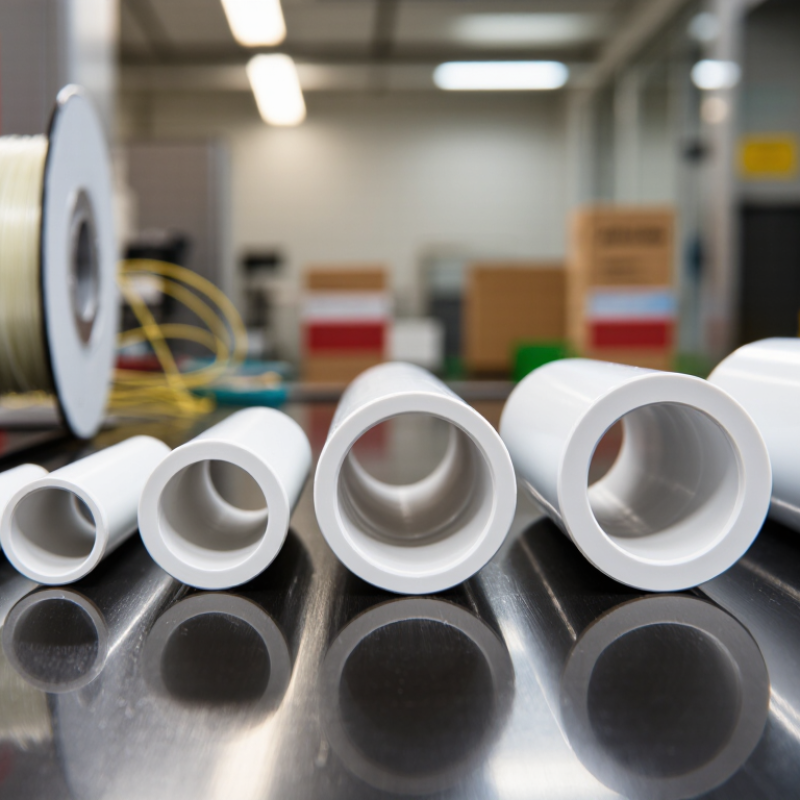
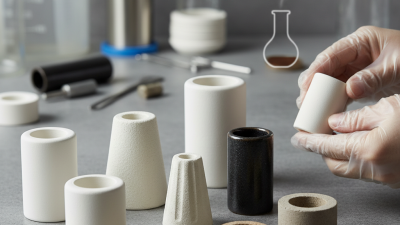
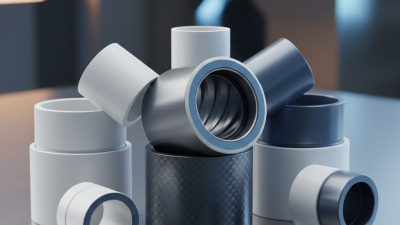
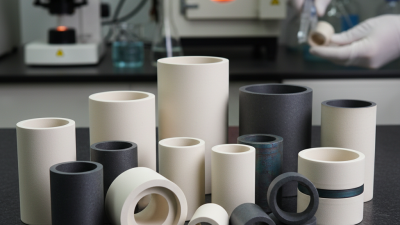
Ceramic sleeves are precision tubes made from materials such as alumina or zirconia. They protect components from heat, abrasion, corrosion, and electrical leakage. Their smooth inner surfaces also support accurate alignment. In fiber optic assemblies, a ceramic sleeve centers two ferrules inside an adapter. Even a tiny offset can increase signal loss. That detail is easy to underestimate.
These sleeves also appear in electronic connectors, heating equipment, laboratory instruments, and industrial sensors. Alumina is often selected for insulation and high-temperature stability. Zirconia may suit applications requiring greater toughness and precise movement. The correct choice depends on tolerance, surface finish, operating temperature, and chemical exposure. More expensive is not always better.
When evaluating China’s top ten ceramic sleeve manufacturers, buyers should examine powder quality, molding consistency, sintering control, and inspection records. Experienced suppliers should provide dimensional reports and explain their testing methods clearly. Production photographs can help, but they do not replace samples and independent verification. A common purchasing mistake is focusing only on price. In practice, inconsistent tolerances can create assembly delays and hidden replacement costs. Supplier rankings are never permanent. They should be reviewed against actual performance, application requirements, and after-sales responsiveness.
Who Are the China Top 10 Ceramic Sleeves Manufacturers?
How to Identify China’s Top Ceramic Sleeve Manufacturers
Identifying China’s leading ceramic sleeve manufacturers requires more than checking export volume. The real test is repeatability, not factory size. Request inspection records for inner diameter, roundness, concentricity, and surface roughness. These details directly affect connector alignment and insertion loss.
A reliable manufacturer should provide lot-level data, material certificates, and traceable sampling records. Ask how zirconia powder is sintered, polished, and inspected. Thermal cycling, humidity exposure, pull-force testing, and microscopic checks reveal process weakness. ISO Survey 2023 recorded 1,265,216 ISO 9001 certificates worldwide. Certification helps, but it does not prove sleeve performance. I would still verify recent batches independently. A polished audit file can hide inconsistent production.
Tips: Request three production samples. Measure them with calibrated equipment. Compare results across lots, not just pieces. Check whether the supplier follows relevant IEC connector standards and can explain its tolerances clearly. Ask for a corrective-action report from a failed batch. Their response matters. Manufacturers serving serious fiber-optic applications should also disclose lead times, minimum order quantities, packaging controls, and aging-test methods. Market outlooks from industry analysts continue to identify data-center connectivity as a major optical-component demand driver, increasing pressure on dimensional consistency. Cheap samples can mislead. Long-term reliability needs evidence.
A practical, name-neutral comparison framework for evaluating ceramic sleeve suppliers in China
| Evaluation Rank | Key Selection Dimension | What a Qualified Manufacturer Should Demonstrate | Recommended Evidence to Request | Importance |
|---|---|---|---|---|
| 01 | Ceramic Material Portfolio | Access to suitable technical ceramics such as high-purity alumina, zirconia, steatite, or cordierite, selected according to temperature, insulation, wear, and chemical-resistance requirements. | Material datasheets, purity information, density data, dielectric properties, and application-specific recommendations. | Critical |
| 02 | Dimensional Precision | Stable control of inner diameter, outer diameter, length, concentricity, roundness, and surface finish in accordance with the approved engineering drawing. | Inspection reports, calibrated measurement records, tolerance capability data, and sample parts measured against drawings. | Critical |
| 03 | Manufacturing Process Control | Controlled forming, debinding, sintering, grinding, polishing, and cleaning processes suitable for thin-wall and precision ceramic sleeves. | Process flow chart, quality-control plan, furnace records, work instructions, and nonconformance procedures. | High |
| 04 | Surface Finish and Cleanliness | Smooth, chip-free, contamination-controlled surfaces appropriate for ferrule, fiber-optic, electrical, medical, or high-temperature applications. | Surface-finish specifications, visual inspection criteria, microscopic images, cleaning method, and packaging procedure. | High |
| 05 | Testing and Inspection Capability | Ability to inspect dimensional, mechanical, thermal, electrical, and visual characteristics using calibrated equipment appropriate to the product. | Equipment list, calibration certificates, incoming and final inspection records, and sample test reports. | High |
| 06 | Customization and Tooling Support | Capability to produce custom diameters, lengths, grooves, steps, slots, chamfers, radii, and complex geometries from customer drawings or samples. | Engineering review procedure, prototype samples, tooling ownership terms, drawing feedback, and revision-control records. | Medium |
| 07 | Quality Management System | A documented quality system covering traceability, supplier control, corrective action, document management, inspection, and customer complaints. | Current quality certificates, audit results, corrective-action examples, batch traceability records, and quality manual excerpts. | High |
| 08 | Application and Industry Experience | Relevant experience in fiber-optic connectors, electrical insulation, sensors, vacuum equipment, heating systems, wear components, or other technical-ceramic applications. | Anonymized case studies, application notes, qualification history, and references that can be independently verified. | Medium |
| 09 | Supply Capacity and Delivery Reliability | Adequate equipment, production planning, raw-material availability, packaging control, and backup arrangements for consistent batch delivery. | Lead-time history, production capacity information, on-time-delivery data, safety-stock policy, and packaging samples. | High |
| 10 | Commercial Transparency and Technical Support | Clear quotations, defined tolerances, transparent tooling and sampling costs, responsive engineering communication, and documented warranty terms. | Detailed quotation, technical questionnaire, sample approval process, communication records, and written after-sales policy. | Medium |
China’s ceramic sleeve sector includes many capable factories, but “top” depends on application, tolerance, and order volume. The following profiles reflect practical selection factors, including material control, machining accuracy, inspection depth, and delivery reliability.
The first manufacturer focuses on alumina sleeves for stable electrical insulation and high-temperature assemblies. The second specializes in zirconia sleeves, offering strong wear resistance for demanding alignment tasks. The third serves optical communication projects with tight inner-diameter tolerances and polished surfaces. The fourth combines ceramic molding with precision grinding, reducing variation across larger batches. The fifth supports custom prototypes and small orders, although its unit costs may be higher. The sixth uses automated visual inspection and recorded dimensional data.
That sounds reassuring. Yet buyers should still request independent sample checks.
The seventh manufacturer emphasizes material traceability and complete inspection reports. The eighth develops sleeves for medical, laboratory, and analytical equipment, where cleanliness matters greatly. The ninth operates high-volume production lines and may suit standardized components. The tenth integrates machining, cleaning, packaging, and export preparation under one quality system. These profiles are not permanent rankings. Factory capability can change after equipment upgrades, staffing changes, or material shortages. In my experience, a reliable evaluation should compare samples, tolerance results, surface finish, lead times, and corrective-action records. Certifications help, but they never replace physical testing. A small weakness may appear during assembly, not in the catalog.
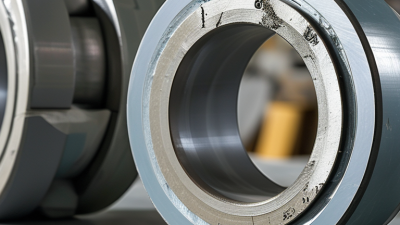
China’s top ten ceramic sleeve manufacturers differ most in quality control and production capacity. Experienced buyers should inspect zirconia purity, dimensional tolerance, surface finish, and concentricity. These details affect insertion loss, alignment, and long-term stability in fiber optic assemblies. A polished sleeve should look uniform under magnification, without chips, cloudy areas, or uneven edges. Leading factories usually combine automated molding with precision grinding and visual inspection. However, automation alone proves little. Process records matter more.
Capacity also separates serious manufacturers from small workshops. Compare molding machines, grinding stations, kiln schedules, warehouse space, and monthly output. Ask whether capacity is reserved for standard sleeves or shared across many ceramic parts. A supplier may quote millions of pieces monthly, yet struggle with a sudden custom order. I have seen attractive samples fail during batch testing. That weakness is easy to miss. Reliable evaluations should include repeated samples, measurement reports, lot traceability, and an on-site or independent audit. No ranking is perfect. Specifications can change.
Tips: Request samples from three production lots. Measure bore diameter, outer diameter, length, and concentricity independently. Review inspection limits before approving a purchase. Ask for rejection rates, corrective-action records, and realistic lead times. A factory that explains one limitation clearly may be more dependable than one promising everything. Pricing deserves attention, but unstable tolerances cost more than a higher unit price.
When comparing China’s top ten ceramic sleeve manufacturers, supplier selection needs more than a polished catalog. Check the ceramic grade, inner diameter, roundness, and surface finish. These details directly affect connector alignment and insertion loss. Ask for inspection reports, not only product photographs. A dependable supplier should explain measurement methods clearly. Vague answers deserve caution.
Request samples from the same production process used for larger orders. Examine the sleeve under magnification. Look for chips, uneven edges, contamination, or inconsistent bore dimensions. Confirm whether the supplier controls firing shrinkage and end-face geometry. Small variations can create expensive assembly problems. I have found that sample quality sometimes exceeds mass-production quality, which needs honest discussion.
Traceability also matters. Review batch records, calibration certificates, packaging procedures, and replacement policies. Ask how rejected parts are isolated before shipment. A capable technical team should understand your connector design, temperature range, and volume requirements. Communication speed is useful, but technical accuracy matters more. A low price may hide fragile packaging or weak process control. Even experienced buyers can overlook this. Compare total performance, not just the quotation.
Thermal conductivity is a practical benchmark when evaluating ceramic sleeve materials. Alumina and silicon nitride generally provide higher heat transfer, while zirconia, mullite, and steatite offer lower thermal conductivity for applications requiring stronger thermal insulation. Buyers should also verify dimensional tolerance, surface finish, operating temperature, chemical resistance, customization capability, quality control, and delivery consistency with each supplier.
Values shown are representative room-temperature ranges commonly reported for engineering ceramics; actual performance depends on grade, density, porosity, and manufacturing process.