What is the Best Silicon Carbide Seal for Your Applications?
In various industrial applications, choosing the right Silicon Carbide Seal can be crucial. These seals are known for their durability and resistance to wear. However, not all Silicon Carbide Seals are created equal. Different environments demand different specifications.
Understanding your application is essential. Factors like temperature, pressure, and the type of fluid being sealed play significant roles. For example, high temperatures may require seals with enhanced thermal stability. Or, in abrasive environments, a seal's hardness can make a noticeable difference in lifespan.
Selecting the best Silicon Carbide Seal involves more than just picking a product. It requires careful consideration of specific needs. Consulting with experts can provide valuable insights. Ultimately, the right choice will lead to improved efficiency and reduce maintenance costs. Yet, overlooking details can lead to potential failures.
Understanding Silicon Carbide Seals and Their Applications
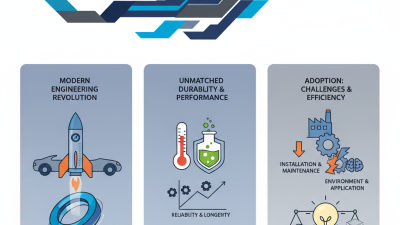
Silicon carbide seals have gained traction due to their unique properties. They boast high thermal conductivity, hardness, and resistance to wear. According to a report from Research and Markets, the demand for silicon carbide in seal applications is expected to grow at a CAGR of 13% through 2025. These seals function effectively in extreme environments, making them suitable for various industries.
One of the key applications for silicon carbide seals is in the automotive sector. They can withstand high temperatures and pressures, which is crucial for performance. Additionally, these seals exhibit excellent chemical resistance, ensuring longevity even in corrosive environments. However, the initial investment for silicon carbide seals can be higher than traditional materials. Companies need to weigh this cost against the long-term benefits of reliability and reduced maintenance.
Moreover, while many industries benefit from silicon carbide seals, challenges remain. Potential issues with machining and quality control can affect performance. Rigorous testing and proper installation are essential to maximize their efficiency. Adaptation to specific applications can lead to significant improvements, but it is not always straightforward, highlighting the need for expert knowledge in selecting the right seal.
Key Benefits of Using Silicon Carbide Seals in Various Industries
Silicon carbide (SiC) seals are becoming essential across various industries due to their unique properties. These seals excel in preventing fluid and gas leaks, which is critical in sectors like oil and gas, chemical processing, and power generation. According to a recent industry report, SiC seals can tolerate high temperatures, often exceeding 1000 degrees Celsius, making them suitable for extreme environments.
One key benefit of silicon carbide seals is their exceptional wear resistance. They outperform traditional materials in harsh conditions, leading to longer equipment life. A study indicated that SiC seals last up to three times longer than graphite-based seals. This longevity reduces the frequency of replacements, indirectly lowering overall maintenance costs.
Choosing the right seal is crucial. Consider the specific conditions of your application. Assess factors such as temperature, pressure, and chemical compatibility. Also, think about the installation process. Incorrect fitting can affect performance. Regular inspections can help identify potential wear early, allowing for timely interventions. This approach limits unexpected downtime and enhances operational efficiency.
Silicon carbide seals undoubtedly provide robust solutions for demanding applications. However, users must adapt their choices to encompass the unique requirements of each situation. An informed selection process ensures that you leverage the full potential of this advanced technology.
Factors to Consider When Choosing Silicon Carbide Seals
When choosing silicon carbide seals, various factors are crucial for optimal performance. The seal's size and shape are vital; they must fit precisely within the assembly. Even slight deviations can lead to leakage or reduced efficiency. The operating environment also plays a significant role. High temperatures or corrosive substances can affect seal longevity. Research indicates that silicon carbide exhibits superior wear resistance, with studies showing it can endure temperatures up to 1,600°C.
Material selection is another critical aspect. Silicon carbide comes in different grades, each offering unique mechanical properties. Some are designed for high load applications, while others excel under extreme thermal conditions. According to industry reports, applications requiring high reliability often benefit from seals with enhanced wear resistance. These seals last longer, ultimately reducing maintenance costs.
Consider the seal's installation process. Proper installation is crucial to prevent early failures. Misalignment or improper handling can compromise the seal's integrity. Regular inspections are advisable to ensure functionality in demanding settings. Experts recommend that facilities keep a record of seal performance and replace them at predetermined intervals to prevent unexpected breakdowns.
What is the Best Silicon Carbide Seal for Your Applications?
This bar chart illustrates key factors to consider when selecting silicon carbide seals for various applications. A balance between temperature resistance, corrosion resistance, mechanical strength, cost-effectiveness, and ease of installation is essential for optimal performance.
Comparative Analysis of Different Types of Silicon Carbide Seals
Silicon carbide seals have gained popularity in various industries due to their unique properties. These seals resist high temperatures and aggressive chemicals, making them ideal for many applications. In this comparative analysis of different types of silicon carbide seals, we explore their strengths and weaknesses.
The reaction-bonded silicon carbide seal is known for its toughness and resistance to wear. It is a common choice in environments that face mechanical stresses. However, it may not perform well in extremely high-temperature settings. Alternatively, the sintered silicon carbide seal offers superior thermal stability. This type can handle elevated temperatures better than reaction-bonded options. Yet, it can be more brittle, posing a risk of cracking under high impact.
When choosing the best seal for your needs, consider the specific demands of your application. Analyzing environmental factors such as temperature extremes and chemical exposure is crucial. Sometimes, a weaker option may be more suitable if it provides enhanced flexibility. These details often require thoughtful consideration, especially since seal failures can lead to significant operational issues. Balancing durability and flexibility is a challenge that many engineers face.
Maintenance Tips for Ensuring Longevity of Silicon Carbide Seals
Silicon carbide seals are known for their durability and wear resistance. However, proper maintenance is essential to ensure their longevity. Regular inspections can help identify issues early. Look for signs of wear, damage, or contamination. A proactive approach can save costs in the long run.
Keeping the environment clean is vital. Dirt and debris can accelerate wear. Ensure that the operating areas are free from contaminants. It’s also important to monitor operating temperatures. Excess heat can degrade the seal material. Use cooling systems if needed.
Lubrication is key but must be done carefully. Over-lubrication can lead to excessive buildup. This buildup can cause the seal to fail prematurely. Monitor lubrication levels and adjust according to the application needs. Regularly check the seal's positioning and alignment as well. Misalignment can create stress points, leading to early wear.