Top Benefits of Silicon Carbide Seal for Global Buyers?
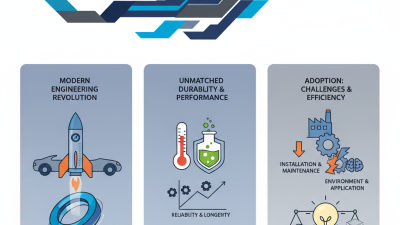
Silicon Carbide Seals are transforming the industrial landscape. As an expert in materials science, Dr. James Thompson notes, "The durability and efficiency of Silicon Carbide Seals cannot be overstated." These seals significantly enhance performance in various applications, particularly in high-temperature and high-pressure environments.
The unique properties of Silicon Carbide make it an ideal choice for sealing mechanisms. Its ability to withstand harsh conditions offers reliability that traditional materials often lack. Many industries, including automotive and aerospace, benefit from the lower maintenance costs associated with these seals. However, buyers must consider their specific needs and possible limitations regarding installation and compatibility.
In the fast-evolving market, understanding the advantages of Silicon Carbide Seals is crucial. While they provide substantial benefits, potential challenges, like initial costs, should be evaluated. The goal is to achieve long-term gains rather than immediate savings. Embracing these advanced seals can lead to significant improvements in operational efficiency.
Advantages of Silicon Carbide Seals in High-Performance Applications
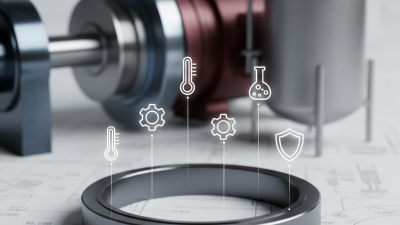
Silicon carbide seals have gained popularity in high-performance applications. Their remarkable properties contribute to efficiency and reliability. One notable advantage is their impressive hardness. This translates to superior wear resistance, making them ideal for demanding environments.
In extreme temperature conditions, silicon carbide seals perform exceptionally well. They maintain stability without significant degradation. This allows machinery to operate smoothly over extended periods. Additionally, they offer excellent chemical resistance. This reduces the risk of failure in corrosive environments.
Despite these benefits, some challenges remain. Manufacturing silicon carbide components can be costly and time-consuming. Precision in the production process is crucial. Minor errors can lead to performance issues. Buyers must consider these factors when making decisions.
Enhanced Durability and Longevity of Silicon Carbide Seals
Silicon carbide seals offer remarkable durability and longevity compared to traditional materials. Recent industry reports indicate that silicon carbide can withstand extreme temperatures and harsh environments better than alternatives. For instance, it maintains structural integrity up to 1,500 degrees Celsius. This resilience translates into longer service intervals, reducing maintenance needs and operational costs significantly.
Moreover, silicon carbide's superior wear resistance enhances its lifespan. Studies reveal that these seals can last up to five times longer than conventional materials. This extended lifespan not only benefits manufacturers but also contributes to sustainability. Fewer replacements mean reduced material waste. The reliability of silicon carbide seals in critical applications creates confidence in their performance.
However, some challenges persist. The initial cost of silicon carbide seals can be higher than other options. Buyers must consider their long-term savings versus upfront investment. Evaluating specific operational needs is essential. Not every application requires top-tier materials, and thorough analysis can help avoid unnecessary spending.
Cost-Effectiveness of Silicon Carbide Seals for Global Buyers
Silicon carbide seals are becoming increasingly popular in various industries. Their cost-effectiveness is a primary reason for this trend. Compared to traditional materials, silicon carbide provides durability and longevity. This means fewer replacements and maintenance costs over time. Buyers often find that investing in silicon carbide seals can lead to significant savings.
The manufacturing process for silicon carbide is refined, leading to lower production costs. Buyers benefit from this reduced expense, translating to lower prices for end-users. Additionally, the seals withstand high temperatures and corrosive environments, adding to their overall value. However, not all manufacturers meet the same quality standards. It's essential for buyers to research suppliers and assess the reliability of their products.
Some may question the initial investment in silicon carbide. The upfront cost can be higher than other materials. Yet, the long-term benefits often outweigh this concern. Over time, savings from reduced repairs and replacements become evident. Buyers must weigh these factors carefully, focusing on total cost of ownership in their decision-making process.
Top Benefits of Silicon Carbide Seal for Global Buyers
| Benefit |
Description |
Cost-Effectiveness (Rating 1-5) |
Application Areas |
| Durability |
Silicon carbide seals are highly resistant to wear and corrosion, leading to longer service life. |
5 |
Pumps, compressors, and automotive applications |
| Thermal Stability |
They can withstand high temperatures, improving operational efficiency in extreme conditions. |
4 |
Industrial furnaces and engines |
| Low Friction |
Reduced friction leads to less energy consumption and lower operational costs. |
5 |
Machinery and automotive |
| Chemical Resistance |
Excellent resistance against a wide range of chemicals, ensuring reliability in harsh environments. |
4 |
Chemical processing and pharmaceuticals |
| Weight Reduction |
Their lightweight nature helps reduce the overall weight of machinery. |
3 |
Aerospace and automotive |
Comparison of Silicon Carbide Seals with Traditional Seal Materials
Silicon carbide seals offer distinct advantages compared to traditional seal materials. Their exceptional hardness allows them to withstand extreme environments. In applications with high temperatures and abrasive conditions, these seals exhibit remarkable durability. Traditional seals often degrade or wear out quickly. With silicon carbide, the lifespan is significantly extended, reducing replacement costs.
Moreover, silicon carbide is chemically inert. This characteristic makes it suitable for various corrosive substances. In contrast, traditional seals can corrode, leading to leaks and failures. The low friction properties of silicon carbide also enhance performance. In systems where efficiency is crucial, traditional materials may introduce inefficiencies due to higher friction.
However, it's essential to consider the higher initial investment in silicon carbide seals. Although they provide long-term savings, the upfront costs can be daunting for some buyers. Evaluating the application requirements is crucial before making a decision. Balancing short-term costs with long-term benefits remains a challenge for many industries. Ultimately, understanding both the benefits and limitations of seal options is vital for making informed choices.
Environmental Benefits of Using Silicon Carbide Seals in Industry
Silicon carbide (SiC) seals are gaining traction in various industries due to their remarkable environmental benefits. These seals have a low environmental impact compared to traditional materials. According to a 2021 report by the National Institutes of Standards and Technology, SiC seals can reduce energy consumption by up to 30%. This not only cuts costs but also significantly lowers carbon emissions.
One of the most notable advantages of SiC is its durability. These seals resist wear and tear, which extends their lifecycle. Industries report that SiC seals last 2-3 times longer than ceramic or metal alternatives. This leads to less waste generation and a lower frequency of replacements. An analysis by the International Journal of Materials Science states that switching to SiC could decrease manufacturing waste by approximately 25%.
Tips for implementing SiC seals in your operations: Evaluate your current sealing solutions for performance and lifespan. This assessment can reveal potential savings. Additionally, training staff on the advantages of SiC can enhance its adoption. Encourage feedback to improve processes. While the initial investment in SiC seals may seem higher, the long-term benefits often outweigh these costs.