Top Applications of Alumina Ceramic Parts in Modern Industries?
Alumina ceramic parts play a crucial role in various modern industries. Their unique properties make them indispensable in sectors like aerospace, electronics, and medical devices. With high wear resistance and thermal stability, these materials offer significant advantages over traditional options.
The aerospace industry utilizes alumina ceramic parts for components that withstand extreme temperatures and pressures. In electronics, they serve as insulators and substrates, ensuring reliability in demanding environments. Medical devices benefit from alumina's biocompatibility, enhancing safety in patient care.
Despite their advantages, the production of alumina ceramic parts can be complex and costly. Sourcing high-quality raw materials is essential. The balance between performance and cost often requires careful consideration. Understanding these challenges is vital for industries looking to adopt these innovative solutions. The future of alumina ceramic parts looks promising, yet it is important to acknowledge potential pitfalls in their application.
Applications of Alumina Ceramic Parts in Aerospace Engineering
Alumina ceramic parts are vital in aerospace engineering. Their high strength and lightweight properties make them ideal for aircraft components. These ceramics resist extreme temperatures and harsh environments. They help improve fuel efficiency while ensuring safety.
In aerospace applications, alumina ceramics are utilized in engine components and thermal protection systems. They offer excellent thermal conductivity and maintain structural integrity under stress. The challenge lies in the manufacturing process; achieving precise tolerances can be difficult. Imperfections can affect performance. Engineers must continuously refine techniques to ensure optimal results.
The future of alumina ceramics in aerospace also poses questions. How can these materials be made even lighter? Can we enhance their durability? Addressing these concerns is crucial for advancing aerospace technology. Ongoing research and development may unlock new potential in this field.
Top Applications of Alumina Ceramic Parts in Aerospace Engineering
Impact of Alumina Ceramics on Semiconductor Manufacturing Efficiency
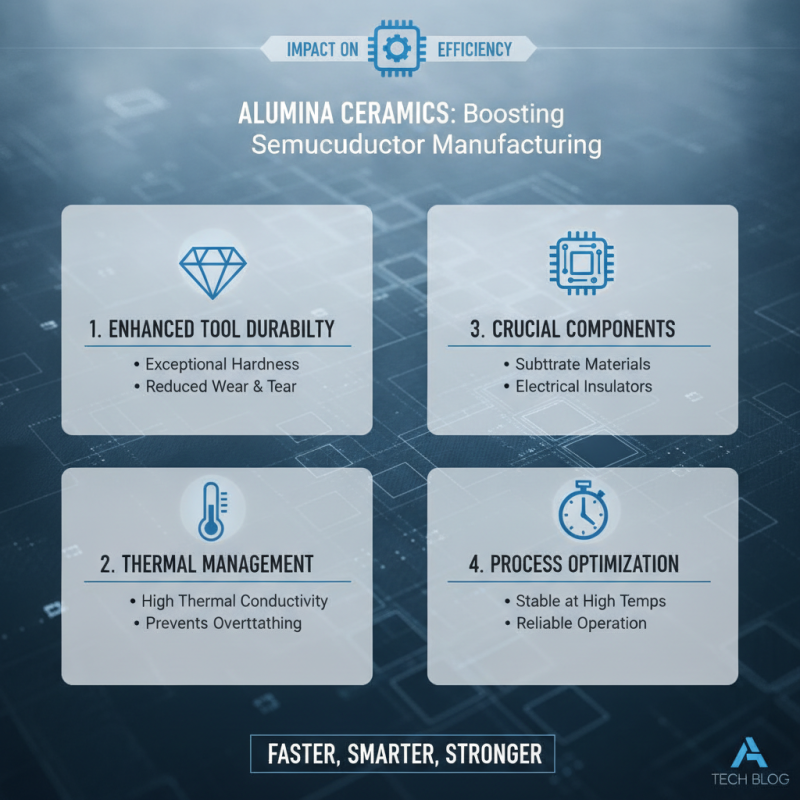
Alumina ceramics play a crucial role in semiconductor manufacturing. Their exceptional hardness and thermal stability make them ideal for components like substrate materials and insulators. These properties enhance the durability of the tools used in the production process. With high thermal conductivity, alumina ceramics help manage temperatures effectively, preventing overheating during operations.
The integration of alumina ceramics can lead to improved efficiency in these advanced manufacturing environments. However, the challenge lies in the compatibility with other materials. Sometimes, stress occurs at the joints. This can lead to failures if not managed properly. Innovative designs and careful engineering can mitigate these issues, but not everyone has the required expertise.
Moreover, while alumina ceramics offer many benefits, they are not without their drawbacks. They can be brittle, making them susceptible to cracking under certain conditions. Finding a balance between strength and flexibility is essential. The ongoing research in this area aims to develop materials that combine the best of both worlds.
Role of Alumina Ceramic Components in the Automotive Industry
Alumina ceramic components are increasingly vital to the automotive industry. Their lightweight nature and excellent wear resistance contribute to efficiency and longevity in vehicles. These parts are often used in applications like engine components, wear-resistant coatings, and even electrical insulators.
One notable advantage of alumina ceramics is their high-temperature stability. This characteristic allows them to perform reliably under extreme conditions. However, their brittleness can lead to challenges during manufacturing and assembly. It’s essential to ensure proper handling to avoid breakage.
Tips for using alumina ceramic parts include regular maintenance checks. Inspect parts regularly for wear or cracks. Additionally, consider sourcing from reputable suppliers to ensure quality. Proper training for assembly teams can also prevent handling issues. Understanding the limitations and strengths of alumina ceramics will guide proper usage.
Alumina Ceramics in Medical Devices: Enhancing Durability and Safety
Alumina ceramics have become vital in medical devices. Their high durability makes them ideal for various applications, from surgical instruments to implants. These materials are known for their strength and resistance to wear, ensuring a long lifespan for medical tools. However, the balance between durability and biocompatibility can be tricky. Ensuring the materials do not react adversely with body tissues is crucial.
In implantable devices, alumina ceramics excel due to their smooth surfaces. This smoothness minimizes wear and tear, preventing complications like inflammation. Yet, the challenge lies in manufacturing. Producing flawless alumina components requires advanced techniques. Small imperfections can affect performance. Striking a balance between cost and quality remains a question for manufacturers.
Additionally, while alumina's properties are strong, scientists still explore new formulations. The push for improved biocompatibility drives innovation. Researchers investigate ways to enhance the material's interaction with human tissue. The future of alumina ceramics in medical devices is promising, but the journey is far from perfect. Continuous refinement and testing are necessary to meet evolving medical standards.
Exploring Cost-Effectiveness of Alumina Ceramics in Power Generation Systems
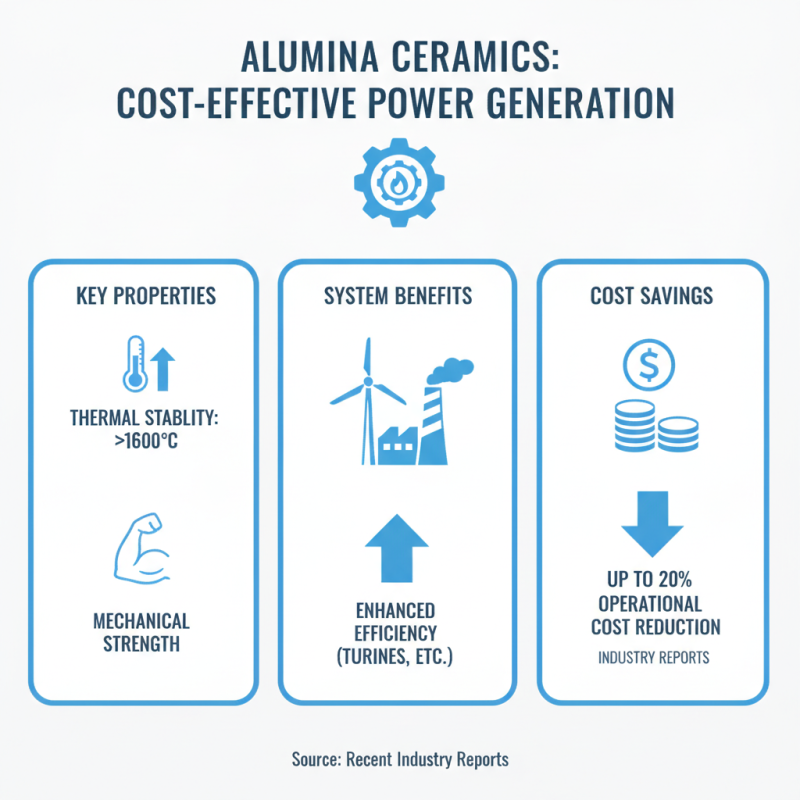
Alumina ceramics play a crucial role in power generation systems. Their exceptional thermal stability and mechanical strength make them ideal for various applications. According to recent industry reports, alumina ceramics can withstand temperatures exceeding 1,600 degrees Celsius. This capability enhances the efficiency of turbines and other high-temperature components. Organizations investing in alumina ceramic technologies have reported up to 20% reduction in operational costs.
Despite these benefits, the high initial costs of alumina ceramic components can be a concern. While traditional materials are cheaper, they often require frequent replacements. This increases long-term costs. In contrast, alumina ceramics offer durability, often lasting five times longer than metal alternatives. This data emphasizes their cost-effectiveness when evaluated over the product lifecycle.
Additionally, the energy sector is increasingly adopting alumina ceramics. Their lightweight nature reduces the energy needed for transport and installation. However, achieving the perfect balance between cost and performance remains a challenge. There are various grades of alumina, and selecting the right one can be complex. Companies must weigh their specific needs against the available options and associated costs.