What is Alumina Ceramic Nozzles and Their Applications in Industry?
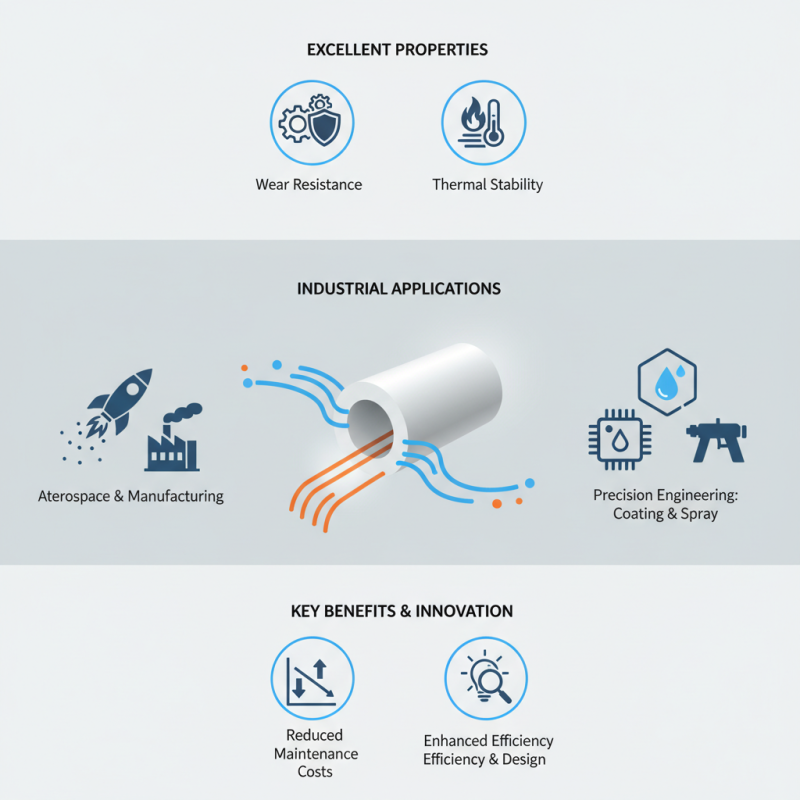
Alumina ceramic nozzles are crucial in various industrial applications. These nozzles, made from high-purity alumina, feature excellent wear resistance and thermal stability. Dr. Emily Wong, a renowned expert in ceramic materials, states, "Alumina ceramic nozzles enhance efficiency in demanding environments." This insight highlights their significance in industries such as aerospace and manufacturing.
In the field of precision engineering, alumina ceramic nozzles deliver consistent performance. They are used in processes requiring controlled fluid dynamics, such as coating and spray applications. The durability of these nozzles reduces maintenance costs. However, not all users fully understand their capabilities. Some still opt for traditional materials, risking inefficiencies.
Moreover, the production of alumina ceramic nozzles involves intricate processes. While advancements have been made, challenges remain. For instance, achieving the ideal balance between hardness and toughness is complex. As industries evolve, the demand for improved nozzle designs continues. It's essential for manufacturers to innovate and address existing limitations.
Definition and Composition of Alumina Ceramic Nozzles
Alumina ceramic nozzles are important components used across various industries. They are made primarily from aluminum oxide (Al2O3), a robust material known for its durability and high-temperature resistance. The composition includes more than 90% alumina, enhancing its functional properties. This high purity allows for excellent wear resistance, making it ideal for demanding applications.
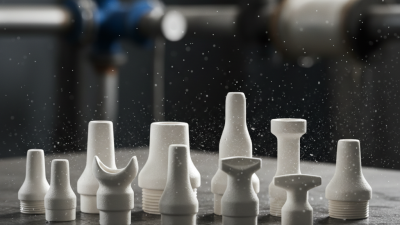
In many industrial settings, these nozzles are employed for spray applications, such as in coatings and metal processing. They can withstand extreme heat and corrosive environments. Each nozzle's design can vary, but they often feature precise geometries to control flow and spray patterns effectively.
Tip: Regularly inspect your alumina nozzles for wear. Small defects can lead to performance issues later.
Another benefit of alumina ceramic nozzles is their lightweight nature. This property facilitates easy handling and installation. However, their brittleness means care must be taken during usage. Dropping or mishandling can lead to cracks.
Tip: Use proper protective gear when working with alumina components. Safety is paramount in industrial applications.
What is Alumina Ceramic Nozzles and Their Applications in Industry?
| Property |
Value |
Application |
| Density |
3.80 g/cm³ |
Mining and Metallurgy |
| Hardness |
9 Mohs |
Aerospace Components |
| Thermal Conductivity |
20 W/m·K |
Electronics |
| Chemical Resistance |
Excellent |
Chemical Processing |
| Wear Resistance |
High |
Mining and Drilling |
| Flexural Strength |
200 MPa |
Structural Components |
Properties and Characteristics of Alumina Ceramics
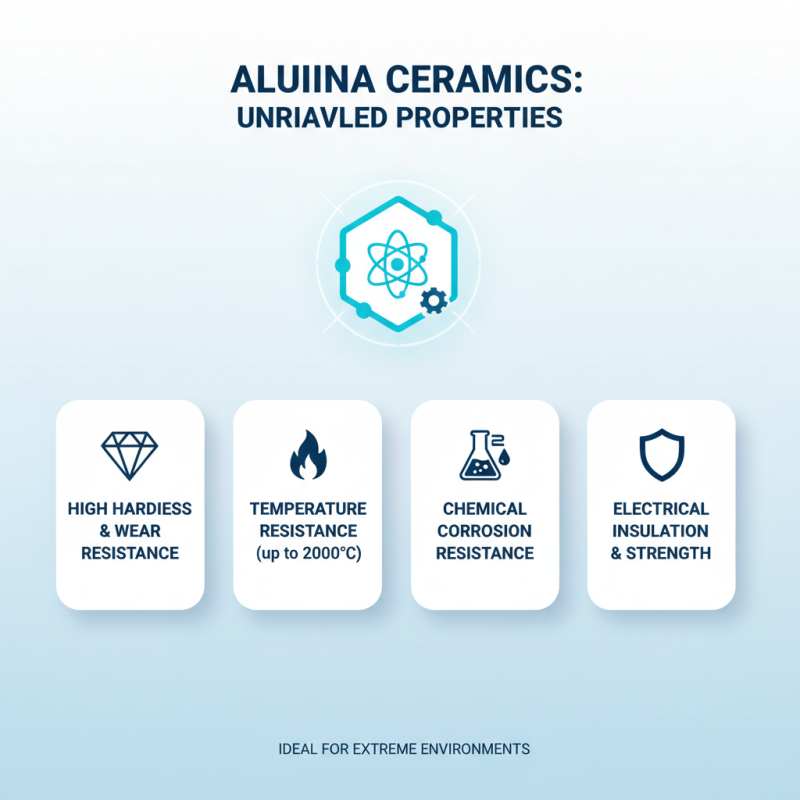
Alumina ceramics are known for their unique properties. These include high hardness and excellent wear resistance. They can withstand high temperatures and resist chemical corrosion.
In various industries, alumina ceramic nozzles play a crucial role. They are used in applications such as metal cutting, petrochemical processes, and automotive parts. Their durability makes them ideal for challenging environments.
**Tip:** Always consider the working conditions when selecting alumina nozzles. The wrong choice can lead to premature failure.
Another vital characteristic is their low thermal conductivity. This property helps in reducing energy loss during processes. It is essential to evaluate this, especially in energy-intensive operations.
**Tip:** Regular inspections can help identify wear and tear early on. This can extend the lifespan of the nozzles.
However, it’s worth noting that while alumina ceramics are strong, they can be brittle. This fragility can lead to unexpected breakage under stress. Industries must balance the benefits and downsides when choosing these materials.
Manufacturing Processes of Alumina Ceramic Nozzles
Alumina ceramic nozzles are critical components in various industries. Their manufacturing involves specific processes that ensure durability and precision. One common method is the dry pressing technique. In this method, alumina powder is compacted into a mold. This creates a shape that resembles the final product. After pressing, the nozzles are then sintered at high temperatures. This step enhances their strength and thermal resistance.
Another method involves slip casting. Here, a liquid mixture of alumina is poured into porous molds. The water is absorbed, leaving a layer of solid ceramic. This process allows for intricate designs. The finished pieces are also sintered. Sintering is essential for achieving the desired hardness and density.
Tips: Consider the application of your nozzles. Different industries have unique requirements. Test prototypes before mass production. Also, be aware of the drying time. Rushing this could lead to defects.
Despite the advanced methods, imperfections can still occur. Variations in powder quality can affect the final product. It's crucial to assess each batch thoroughly. Regular quality checks can prevent future issues. Remember, a small detail can lead to significant differences in performance.
Applications of Alumina Ceramic Nozzles in Various Industries
Alumina ceramic nozzles are vital in various industries. They offer high resistance to wear and corrosion. This makes them ideal for processes involving abrasive materials. For instance, in the metal casting industry, these nozzles are used to control molten metal flow. Their stability ensures precision and reduces defects in castings.
In the chemical processing sector, alumina ceramic nozzles are essential for fluid handling. They can withstand harsh chemicals without degradation. Their high-temperature capability also makes them suitable for applications like spray drying. However, some may find them too brittle for certain uses. Those who require durability must assess their specific needs carefully.
In the jet printing industry, these nozzles play a crucial role as well. They help in achieving fine droplets for better printing quality. Yet, when using alumina nozzles, maintenance can become a challenge. Regular checks are necessary to prevent clogging or damage. Users should reflect on their frequency of use and required quality.
Applications of Alumina Ceramic Nozzles in Various Industries
Benefits of Using Alumina Ceramic Nozzles over Other Materials
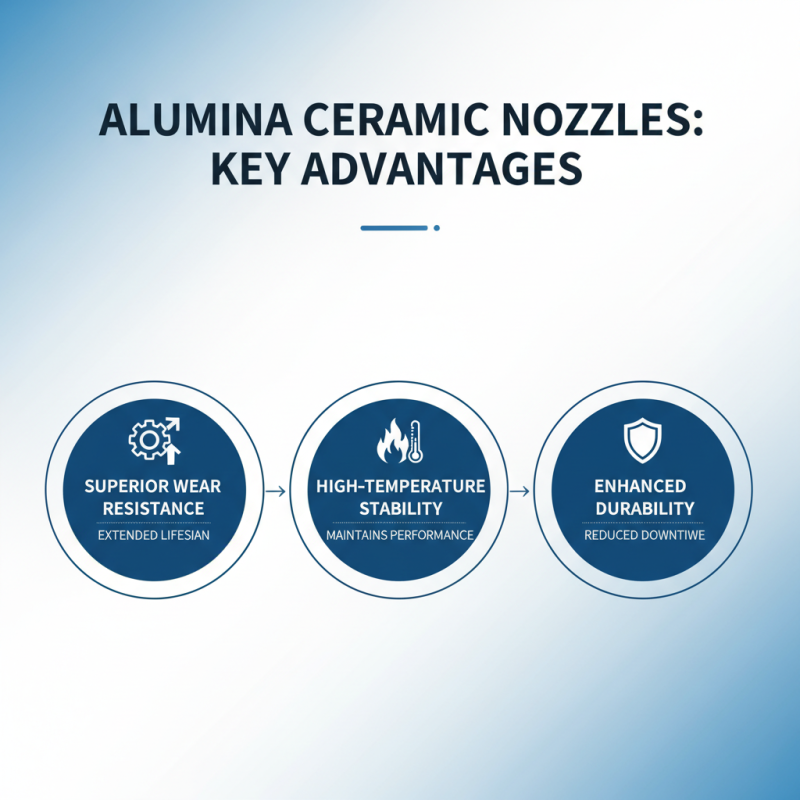
Alumina ceramic nozzles have become essential in various industries. They offer unique advantages over traditional materials. One notable benefit is their excellent wear resistance. This quality extends the lifespan of the nozzles significantly. They also maintain performance in high-temperature environments. Such conditions often damage other materials.
Another benefit is chemical stability. Alumina does not react with many substances. This feature makes it ideal for industries that handle corrosive materials. For example, in the automotive sector, these nozzles resist erosion from materials used in automotive paint sprayers.
**Tip:** When choosing nozzles, consider the specific operational environment. Not all applications need the same level of wear resistance.
However, not everything is perfect. Alumina ceramic nozzles can be brittle. This fragility can lead to breakage under excessive stress. Users must handle them carefully. Regular maintenance checks can help minimize the risk of damage.
**Tip:** Ensure regular inspections of your nozzles. Early detection of wear can prevent unexpected failures.
In summary, alumina ceramic nozzles offer substantial benefits. Their combination of durability and stability makes them a valuable choice for many industrial applications.