2026 How to Choose Silicon Carbide Seal for Optimal Performance?
In the world of industrial sealing solutions, choosing the right Silicon Carbide Seal is crucial for efficiency and longevity. Renowned expert Dr. Emily Johnson, a materials scientist specializing in advanced ceramics, emphasizes, "Selecting the right seal material can significantly impact operational reliability." Her insight highlights the importance of careful selection to prevent costly downtime.
Silicon Carbide Seals offer exceptional hardness and wear resistance. This makes them ideal for high-temperature and highly corrosive environments. Industries such as aerospace and chemical processing benefit greatly from these seals. However, not all Silicon Carbide Seals are the same. Variations in composition and processing can lead to different performance outcomes.
Choosing the best Silicon Carbide Seal requires an understanding of specific application needs. Factors like pressure, temperature, and medium compatibility play significant roles. Companies may overlook these details, leading to poor performance. In some cases, an inappropriate seal could even fail unexpectedly. Therefore, assessing each requirement meticulously is key to achieving optimal performance.
Understanding Silicon Carbide and Its Properties
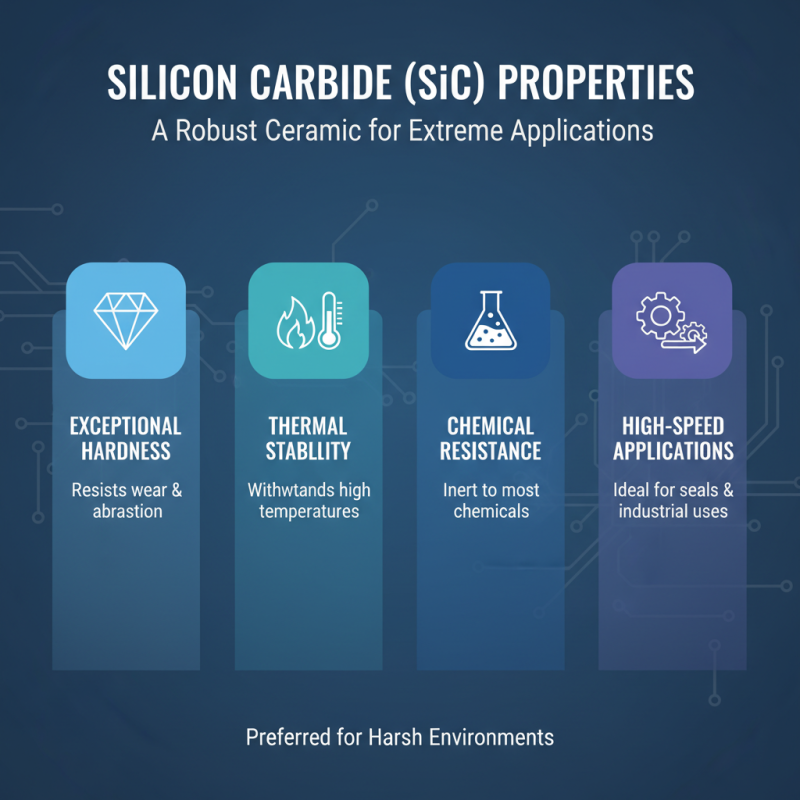
Silicon carbide (SiC) is a robust ceramic material, widely used in seals due to its unique properties. It has exceptional hardness and thermal stability. This makes it ideal for high-speed applications. SiC exhibits excellent chemical resistance, enabling it to perform under harsh environments. These qualities make it a preferred choice for various industrial applications.
When selecting silicon carbide seals, understanding its mechanical properties is key. The hardness of SiC allows it to withstand significant wear. However, the brittleness can be a concern for some applications. Care should be taken to avoid excessive shock loads. Another factor to consider is thermal conductivity, which affects performance in high-temperature conditions.
Moreover, it is essential to evaluate the seal design. A poor fit can lead to leakage issues, even with the best materials. Users should regularly assess their operating conditions. Graphical data can assist in making informed decisions. This process requires time and experience, highlighting the need for expertise in material selection.
Key Factors Influencing Seal Performance
When selecting a silicon carbide seal, several key factors come into play that significantly influence performance. Material purity is critical; impurities can lead to premature failure. High-purity silicon carbide offers superior wear resistance and thermal stability. Understanding the environment in which the seal will operate is also essential. High temperatures and corrosive substances can degrade the seal, reducing its lifespan.
The design of the seal matters as well. A poorly designed seal may not withstand pressure fluctuations. This can lead to leakage or even catastrophic failures. Additionally, the sealing surface finish plays a role in friction and wear. A smoother finish generally results in lower wear and better performance. However, achieving the right balance between surface roughness and sealing effectiveness requires careful consideration.
Another element to consider is the compatibility with lubricants and fluids in use. Certain lubricants may chemically react with silicon carbide, potentially causing damage. Finally, regular maintenance can enhance the longevity of the seals. Ignoring maintenance can lead to performance declines, reminding engineers that diligence is as vital as initial selection. Each decision impacts the seal's reliability and efficiency, making thorough evaluation indispensable.
2026 How to Choose Silicon Carbide Seal for Optimal Performance? - Key Factors Influencing Seal Performance
| Parameter |
Importance |
Optimal Value Range |
Impact on Performance |
| Material Hardness |
High |
80-85 HRA |
Increases wear resistance |
| Temperature Resistance |
High |
-50°C to 200°C |
Ensures stability under heat |
| Lubrication Type |
Medium |
Oil or Grease based |
Reduces friction and wear |
| Seal Design |
High |
Single vs. Double Seal |
Affects leakage and longevity |
| Chemical Compatibility |
High |
Varies by application |
Essential for seal integrity |
Applications of Silicon Carbide Seals in Various Industries
Silicon carbide seals are gaining traction across various industries due to their outstanding properties. In the automotive sector, these seals withstand high temperatures and aggressive fluids. They enhance reliability in critical components like pumps and engines. When used in turbochargers, they ensure durability under intense pressure.
In the energy sector, silicon carbide seals serve a vital role. They function effectively in turbines and generators. These seals resist wear and protect against corrosion. However, improper installation can lead to performance issues. Regular maintenance is crucial in preventing failures.
In chemical processing, these seals excel in harsh environments. They effectively seal volatile chemicals, minimizing leaks. Despite their advantages, choosing the right design is challenging. Not all applications will benefit from silicon carbide. Assessing specific needs is key to optimizing performance. Reflecting on these factors can guide decisions well.
Guidelines for Selecting the Right Silicon Carbide Seal
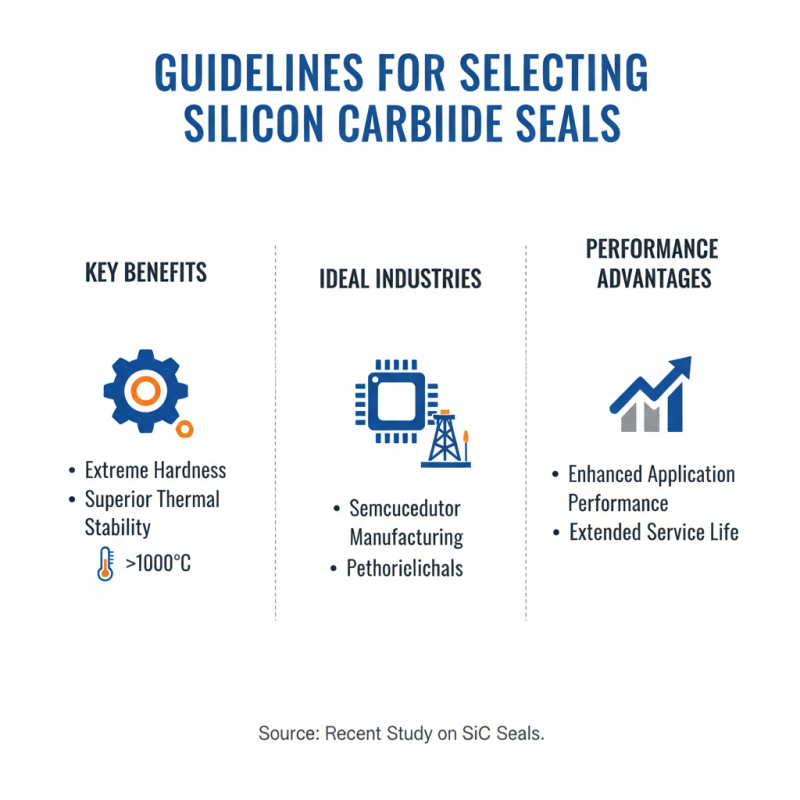
Selecting the right silicon carbide seal can greatly enhance the performance of various applications. The material is known for its hardness and thermal stability. A recent study indicated that seals made from silicon carbide can operate effectively at temperatures exceeding 1000°C. This feature makes them ideal for industries like semiconductor manufacturing and petrochemicals.
When choosing a silicon carbide seal, consider factors such as operating environment and pressure levels. For example, in high-pressure systems, the mechanical strength of the seal is crucial. A report from the American Institute of Chemical Engineers suggests that improper selection can lead to rapid wear, costing companies significant downtime.
Additionally, the design of the seal plays a vital role. Incorrect dimensions or surface finishes can result in leakage and inefficiency. Regular assessments are necessary to ensure the chosen seal maintains its integrity over time. Understanding these details is essential for achieving optimal performance.
Maintenance and Longevity Considerations for Silicon Carbide Seals
When considering the maintenance and longevity of silicon carbide seals, proper handling is key. These seals are designed for high performance, but they require careful installation. A misalignment can lead to premature wear. Regular inspections are vital. Look for signs of wear or damage. Even small issues can escalate if not addressed promptly.
Environment plays a crucial role in the lifespan of these seals. High temperatures and aggressive chemicals can exacerbate wear. It’s important to select seals that match the specific operating conditions. Relying on general guidelines may not be enough. Every application has unique challenges.
Cleaning practices also matter. Avoid abrasive cleaners that might scratch the surface. Use soft cloths for routine cleaning. Regular maintenance schedules can help extend the life of silicon carbide seals. Keep records of inspections and replacements. This creates accountability and identifies patterns over time. Small changes in routine can lead to significant improvements in performance and lifespan.