How to Choose an Alumina Ceramic Radial Bearing for Your Project?
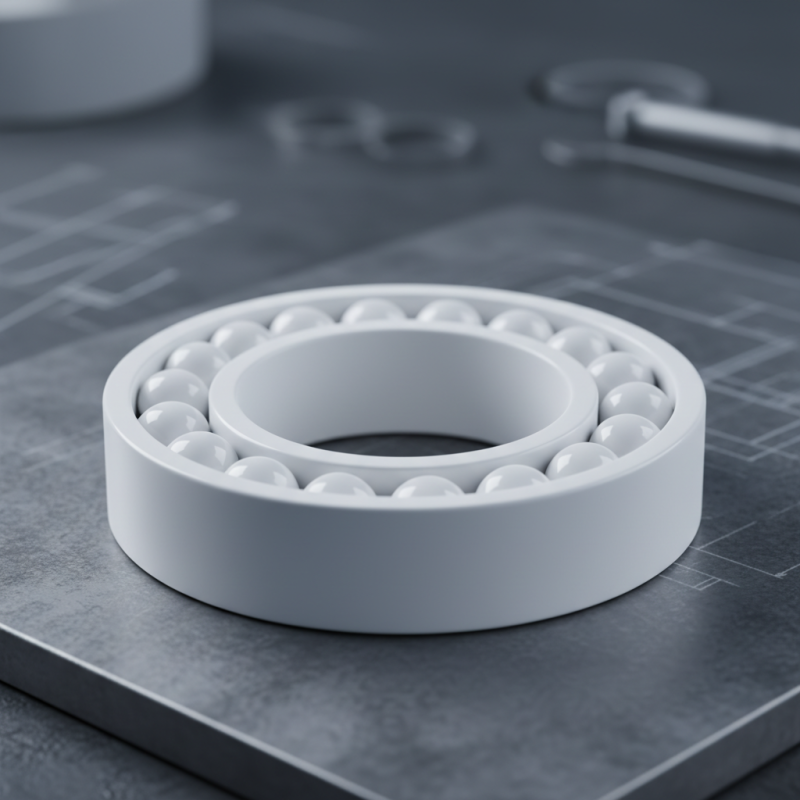
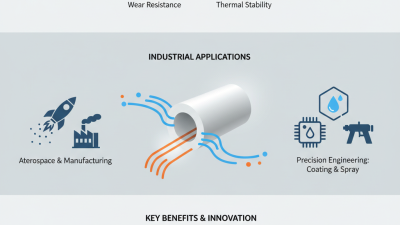
Choosing the right bearing for your project can be challenging. An Alumina Ceramic Radial Bearing stands out due to its unique properties. This type of bearing offers high wear resistance and excellent thermal stability.
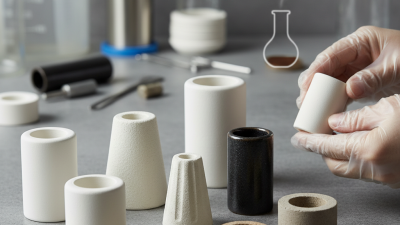
Many engineers may overlook the importance of material selection. The Alumina Ceramic Radial Bearing not only provides durability but also maintains performance in harsh conditions. It is lightweight and resistant to chemicals, making it ideal for various applications.
However, some users face challenges in compatibility and costs. Understanding the specific requirements of your project is crucial. While affordability matters, investing in quality often pays off in the long run. Reflection on project goals can lead to better choices, especially when considering an Alumina Ceramic Radial Bearing.
Understanding the Basics of Alumina Ceramic Radial Bearings
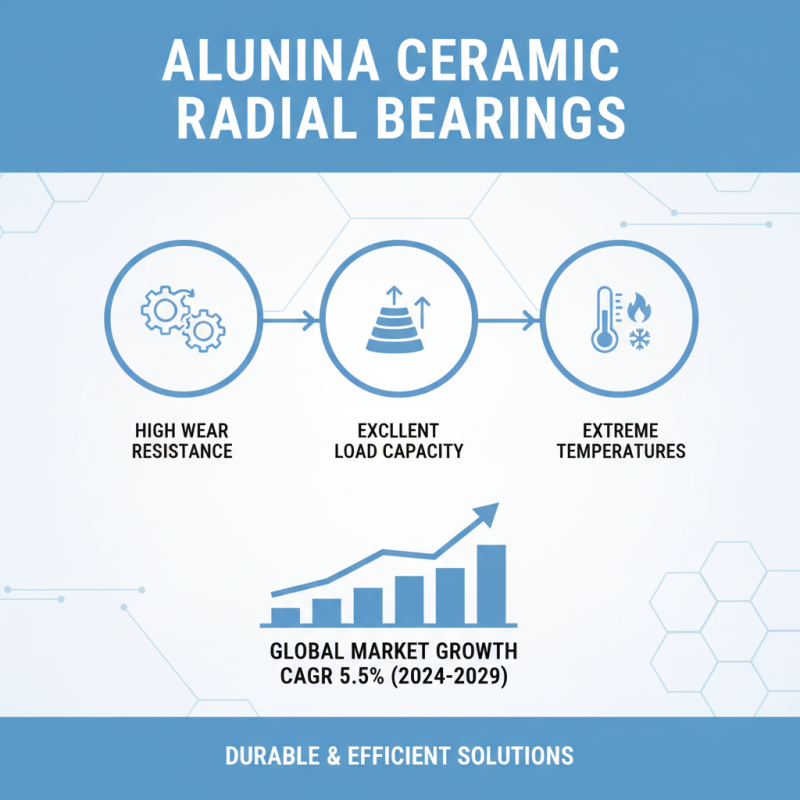
Alumina ceramic radial bearings are gaining popularity in various applications due to their unique properties. These bearings offer high wear resistance, excellent load-bearing capacity, and the ability to operate in extreme temperatures. According to a recent industry report, the global market for ceramic bearings is projected to grow at a CAGR of 5.5% over the next five years. This indicates a steady rise in demand for durable and efficient bearing solutions.
Understanding the material composition is crucial. Alumina ceramic, primarily composed of aluminum oxide, exhibits a lower density than steel. Traditional steel bearings can weigh significantly more than their ceramic counterparts. For instance, a standard ceramic bearing can be 40% lighter than a steel bearing of the same size. This weight reduction can lead to significant energy savings in machinery operation. However, it is essential to recognize that while alumina ceramics boast strength, they can be brittle and more prone to failure under shock loads.
Choosing the right bearing is not just about material. Design considerations are key. Parameters such as load requirements, rotational speed, and environmental conditions need careful analysis. Overlooking any of these factors may result in suboptimal performance. This aspect often leaves engineers pondering whether they fully understand all operational demands. The balance between strength and brittleness in alumina ceramics is not always easy to achieve in practice.
Key Factors in Selecting the Right Alumina Ceramic Material
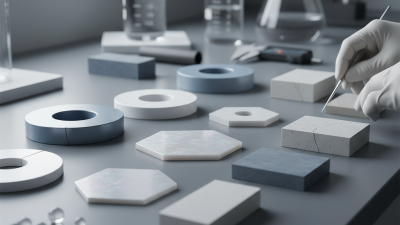
When selecting alumina ceramic materials for radial bearings, it's essential to consider several key factors. Alumina ceramic offers high wear resistance and low friction, making it ideal for demanding environments. According to industry data, alumina ceramics can withstand temperatures up to 1000°C. This property is crucial for applications involving high heat.
The material's density and strength also play significant roles. For instance, alumina with a density of 3.9 g/cm³ provides excellent durability while being lightweight. A balance between hardness and toughness is necessary to prevent common failures, such as chipping. Look for alumina with a minimal porosity rate, ideally below 1%, to enhance performance.
**Tip:** Assess the specific operational conditions before finalizing your choice. Think about the load, speed, and environment in which the bearing will operate.
Another factor is the bearing's geometry. A well-designed bearing can reduce stress concentrations. Yet, many overlook the importance of accurate tolerances. Always measure and verify dimensions carefully to avoid failures caused by poor fit.
**Tip:** Consult expert opinions and data for insights. Understanding the latest material innovations can lead to better decisions and performance.
Alumina Ceramic Radial Bearings: Key Factors in Selection
Evaluating Load Capacity and Performance Requirements
Selecting an alumina ceramic radial bearing involves careful consideration, especially regarding load capacity and performance. It's crucial to assess how much weight the bearing will need to support. A well-rated load capacity ensures prolonged durability and function under stress. For instance, if the application involves high-speed rotations, the bearing must withstand both radial and thrust loads. Think about the environment too. Will it be exposed to moisture or chemicals? This impacts the choice.
Performance requirements are equally important. The bearing should offer smooth operation and minimal friction. A low coefficient of friction extends the life of the bearing and parts it interacts with. Consider the speed of operation; a higher speed may necessitate different material properties. An oversight could lead to frequent failures or reduced efficiency.
Don’t forget to factor in temperature resistance. Extreme temperatures can alter the performance of the ceramic materials used. It’s essential to verify if the selected bearing can handle the specific thermal conditions of your project. Balancing load capacity with these performance aspects ensures a suitable choice.
How to Choose an Alumina Ceramic Radial Bearing for Your Project?
| Bearing Size (mm) |
Load Capacity (N) |
Maximum Speed (RPM) |
Temperature Range (°C) |
Application Type |
| 30 x 62 x 16 |
1200 |
5000 |
-40 to 150 |
Industrial Machines |
| 40 x 80 x 18 |
1800 |
4500 |
-40 to 200 |
Automotive Components |
| 50 x 110 x 25 |
2500 |
3500 |
-30 to 180 |
Aerospace Equipment |
| 60 x 120 x 28 |
3200 |
4000 |
-30 to 200 |
Electrical Equipment |
| 70 x 150 x 35 |
4000 |
3000 |
-40 to 220 |
Robotics |
Assessing Environmental Conditions and Compatibility
Choosing the right alumina ceramic radial bearing involves various aspects, particularly environmental conditions. Assessing factors like temperature, humidity, and exposure to chemicals is crucial. Different environments can significantly impact the bearing’s performance and lifespan. For instance, in high-temperature settings, the ceramic material must sustain its properties without deformation.
Tips: Always evaluate the working temperature range. Ensure that your bearing can operate effectively at those temperatures. Additionally, consider the type of contaminants present. Chemicals can degrade materials, so compatibility is vital.
Compatibility extends beyond just environmental factors. Understand the material interactions between the bearing and its housing. Mismatched materials can lead to premature failure. Always check for electrochemical reactions, as these can create unexpected wear.
Tips: Perform simple compatibility tests when in doubt. It’s better to take extra steps to verify compatibility. Small lapses can lead to significant issues later. Remember to document the conditions under which failures occur for future reference. This reflection can guide better decisions down the road.
Cost Considerations and Supplier Selection for Your Project
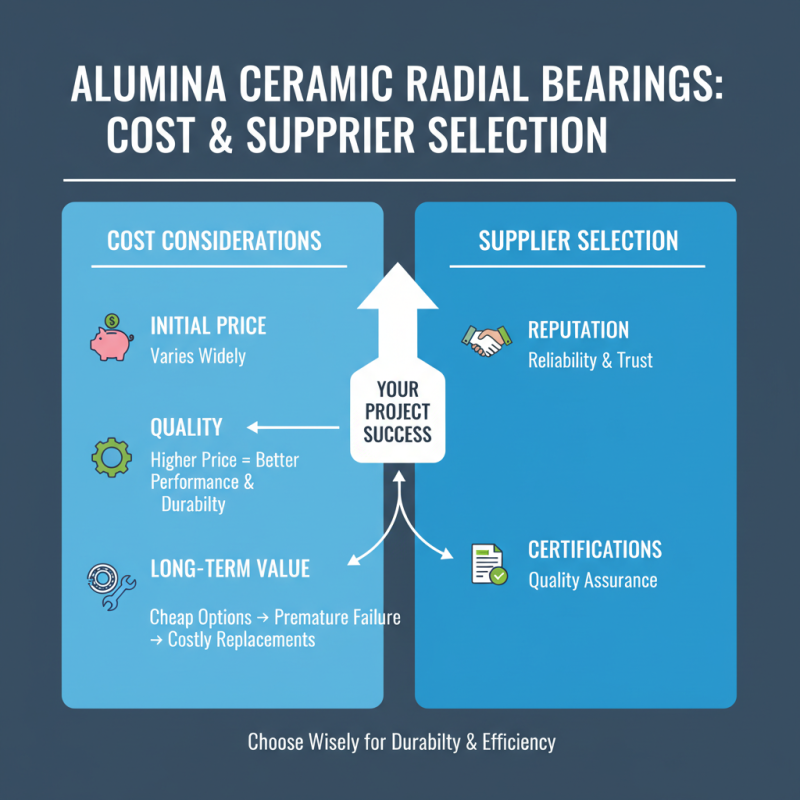
When selecting alumina ceramic radial bearings, cost considerations are crucial. These bearings vary widely in price depending on several factors. Quality is a major determinant. A higher price often means better performance and durability. Cheap options may save money initially but might fail prematurely. This can lead to costly replacements in the long run.
Supplier selection is equally important. Experienced suppliers can provide valuable insights into product specifications. Not all suppliers offer the same level of service or reliability. Researching potential suppliers is essential. Check their reputation and past customer reviews. It is also wise to ask for samples before making a bulk purchase. This helps in assessing the actual product quality.
Involving multiple suppliers in the selection process can lead to better pricing. However, be cautious of suppliers that offer extremely low prices. This could indicate subpar quality. Evaluating total costs, including shipping and potential delays, is necessary. Sometimes, a slightly higher upfront cost leads to greater long-term savings. Always balance cost with reliability and performance.