Why Choose Alumina Ceramic Plate for Your Industrial Applications?
Alumina Ceramic Plate is gaining popularity in industrial applications. This is due to its exceptional properties. According to a report by Global Industry Analysts, the demand for ceramic materials in industrial settings has grown significantly. The market for alumina ceramics is expected to reach $3 billion by 2025. This growth highlights the relevance of Alumina Ceramic Plate.
One key reason for this choice is durability. Alumina ceramics are known for their hardness and resistance to wear. In harsh environments, they outperform other materials like metals or plastics. Additionally, they withstand high temperatures and corrosive substances. Industries, such as aerospace and automotive, are increasingly relying on Alumina Ceramic Plate.
However, some challenges exist. The high brittleness of these plates can lead to unexpected failures. This raises concerns about their application in critical components. Additionally, the initial costs can be higher compared to alternatives. As industries evolve, careful consideration is needed to maximize the benefits of Alumina Ceramic Plate. Reflection on these factors will ensure informed decisions in material selection.
Advantages of Alumina Ceramic Plates for Industrial Use
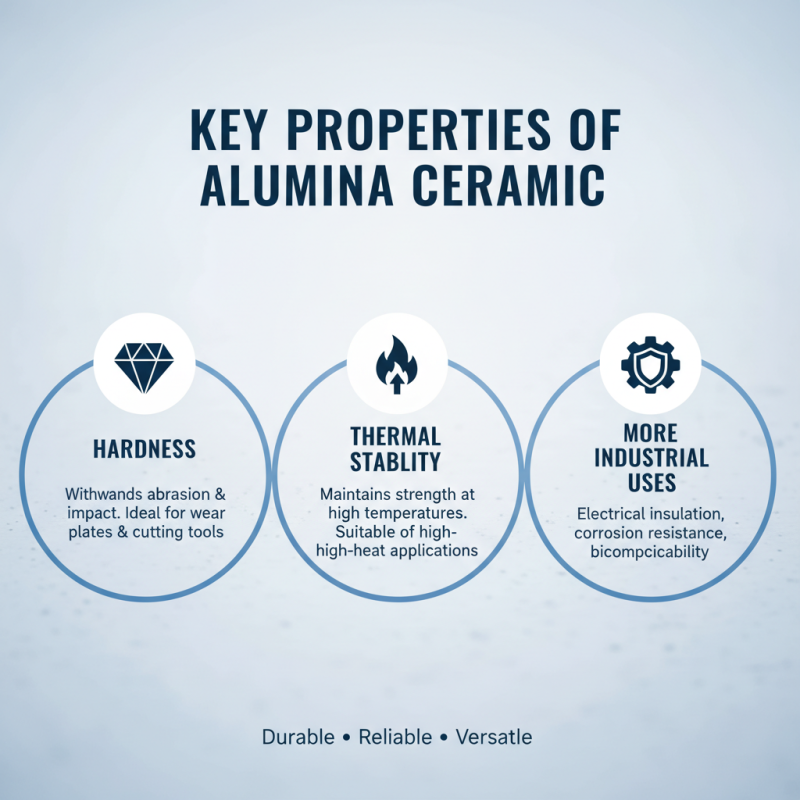
Alumina ceramic plates are gaining traction in various industrial applications. Their outstanding hardness ranks them among the hardest materials. This makes them ideal for wear-resistant components. They often outperform steel and metal in extreme conditions. Industries are drawn to their durability, especially in harsh environments.
One key advantage is their thermal stability. Alumina can withstand high temperatures without degrading. This property is vital in industries like aerospace and automotive. However, one must consider potential brittleness. While they are strong, excessive impact can cause fractures. Regular inspections are essential to ensure reliability in critical applications.
Additionally, the chemical resistance of alumina is impressive. It is not easily corroded by acids or alkalis. This attribute expands its use in chemical processing plants. Yet, one should ponder about the cost of replacement if damaged. Maintenance strategies should be in place to prolong service life. These plates show promise, but careful handling and management are crucial.
Why Choose Alumina Ceramic Plate for Your Industrial Applications?
| Property |
Characteristics |
Application Areas |
| High Hardness |
Exceptional resistance to wear and abrasion |
Manufacturing tools, machine components |
| Chemical Resistance |
Resistant to acids and alkalis |
Chemical processing, semiconductor fabrication |
| Thermal Stability |
Maintains properties at high temperatures |
High-temperature furnaces, aerospace applications |
| Electrical Insulation |
Excellent dielectric strength |
Insulators, electronic components |
| Lightweight |
Low density compared to metals |
Aerospace industry, automotive parts |
Applications of Alumina Ceramic in Various Industries
Alumina ceramic plates find extensive use across various industries due to their unique properties. These materials are known for their hardness and resistance to wear. In the automotive industry, they are used for components that endure high temperatures and friction. For instance, brake systems often incorporate these ceramics to enhance durability and performance.
In electronics, alumina ceramics serve as insulators. They effectively manage heat and prevent electrical conduction where it's not needed. This characteristic is crucial in devices that generate heat. Reducing risks of failure is vital.
Tips: When selecting alumina ceramics, consider their specific grade. Different grades offer varied properties. Ensure they match your application’s requirements. Also, pay attention to the size and thickness. Thin plates may not provide adequate strength in demanding environments.
In the aerospace sector, alumina plays a role in thermal protection systems. These materials withstand extreme conditions, ensuring safety and performance. However, production can be costly. Assess whether the benefits outweigh expenses. Examine alternatives if costs become prohibitive.
Applications of Alumina Ceramic in Various Industries
This chart illustrates the percentage usage of alumina ceramic plates in various industrial applications, showcasing their versatility and significance across different sectors.
Cost Efficiency and Durability of Alumina Ceramic Plates
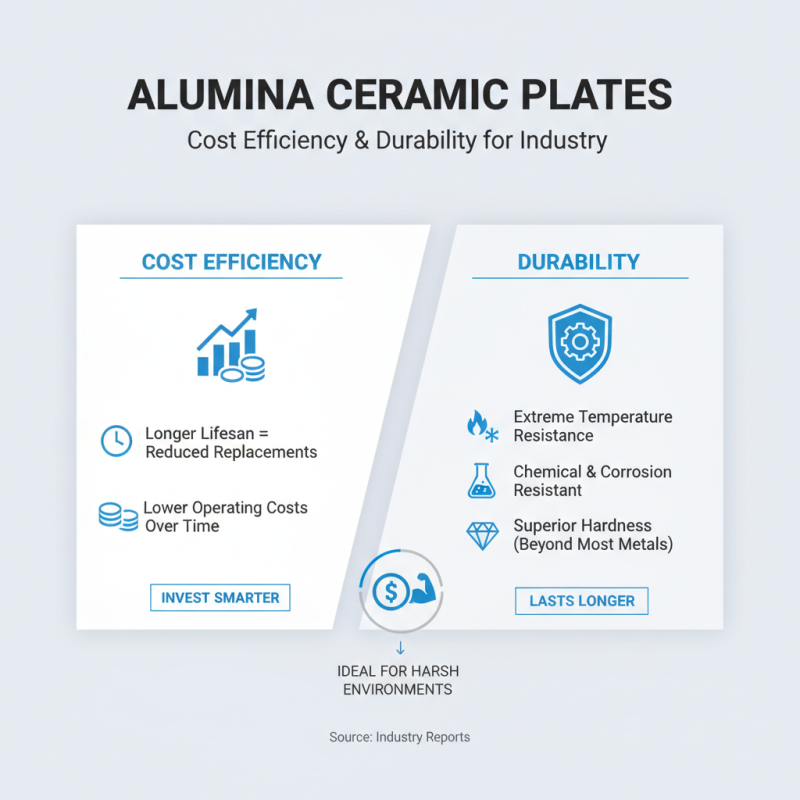
Alumina ceramic plates have become a popular choice in various industrial applications due to their remarkable cost efficiency and durability. These plates can withstand extreme temperatures and harsh chemicals, making them ideal for difficult environments. According to industry reports, alumina ceramics offer a hardness level surpassing most metals, which contributes to their long lifespan.
In terms of cost efficiency, alumina plates may appear expensive initially. However, their durability significantly reduces maintenance and replacement costs. A study indicated that companies switching to alumina ceramic plates saw a 30% reduction in operational costs over five years. This translates to substantial savings, especially for industries with high wear and tear.
Tips: When considering materials for your operations, analyze total lifetime costs instead of upfront pricing. It’s also beneficial to consult with industry experts to tailor solutions for specific needs. Remember, not all ceramic plates are crafted equally. Ensure you evaluate specifications carefully to avoid costly mistakes.
Comparative Analysis: Alumina Ceramic vs. Other Materials
Alumina ceramic plates stand out in various industrial applications. Their hardness,
durability, and resistance to wear make them suitable for many environments.
Comparative analysis shows that alumina ceramics outperform metals and polymers
in many aspects. For instance, alumina can withstand temperatures over 1,600°C.
Metals typically lose structural integrity under such extreme conditions.
However, alumina is brittle. This can lead to unexpected fractures under load.
In contrast, polymers offer flexibility but lack the extreme heat resistance that alumina provides.
A report from the American Ceramic Society highlights that alumina’s compressive strength is about
2,000 MPa, while metals may only reach around 400-800 MPa.
This significant difference illustrates the advantages of alumina in applications involving heavy loads.
Tips: Always consider the specific requirements of your application.
Sometimes, a balanced approach with composites can be beneficial.
Ensure proper handling to avoid breakage. Monitor for signs of wear,
as periodic assessments can extend the life of your components.