What are Ceramic Sleeves and How to Choose the Right One?
Ceramic sleeves are essential components in various industrial applications, known for their durability and resistance to harsh environments. The global ceramic sleeves market is projected to grow significantly, reaching a value of over $2 billion by 2026, according to recent industry reports. This growth is driven by increasing demand in aerospace, automotive, and manufacturing sectors, where reliability is paramount.
When selecting the right ceramic sleeves, it’s crucial to consider factors like material composition and thermal stability. Different industries may require specific properties, making it vital to understand the unique demands of each application. For instance, some operations might prioritize thermal resistance, while others focus on mechanical strength. However, the extensive range of available options can sometimes lead to confusion.
Choosing the appropriate ceramic sleeve demands a comprehensive assessment of performance requirements. It’s easy to overlook certain details, like compatibility with existing systems. Each decision impacts overall performance and longevity. Hence, having reliable data and expert insights is critical for making informed choices in this complex landscape.
What Are Ceramic Sleeves and Their Applications?
Ceramic sleeves are advanced components widely used across various industries. They serve critical functions in applications like electrical insulation, thermal management, and mechanical support. Their ability to withstand high temperatures and harsh chemicals makes them essential in sectors such as aerospace, automotive, and medical equipment. According to a recent industry report, the global market for ceramic materials is projected to reach $22.6 billion by 2026, highlighting the importance of these components.
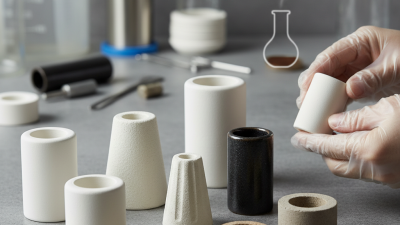
These sleeves come in various forms, including tubular and rod shapes, tailored to meet specific application needs. In manufacturing, they are often used to enhance wear resistance in bearings and valves. A study revealed that ceramic coatings increase friction resistance, resulting in a 30% longer lifespan for machinery. However, choosing the right ceramic sleeve can be complex. Factors such as thermal conductivity, mechanical strength, and compatibility with the operating environment must be considered. It's vital to analyze performance metrics from credible studies to ensure the selected materials meet industry standards.
Choosing poorly can lead to operational failures. Common issues include inadequate thermal characteristics causing overheating and reduced efficiency. A comprehensive understanding of each application's requirements is crucial. The importance of reliable data cannot be overstated, as it shapes decisions in material selection.
Different Types of Ceramic Sleeves Available on the Market
Ceramic sleeves are essential components in various industries, known for their durability and heat resistance. When selecting a ceramic sleeve, understanding the different types available can significantly impact performance.
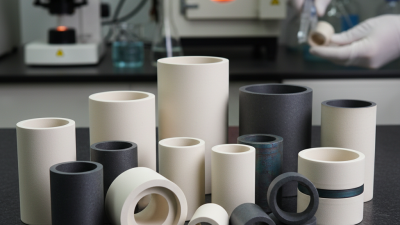
There are several types of ceramic sleeves on the market. Alumina ceramic sleeves are popular due to their excellent wear resistance. They withstand high temperatures well. Zirconia ceramic sleeves offer superior toughness, making them suitable for more demanding applications. For environments that require chemical resistance, silicon carbide sleeves shine in performance.
Choosing the right sleeve involves understanding your specific needs. Assess factors like operating temperature and mechanical stress. Each type has its pros and cons. For instance, while alumina may be cost-effective, zirconia might offer better longevity. Reflecting on your operational requirements will guide you. Making the wrong choice can lead to equipment failure or increased maintenance costs.
Factors to Consider When Choosing a Ceramic Sleeve
When selecting a ceramic sleeve, several factors deserve attention. The size and dimensions of the sleeve are critical. Measure the application area precisely to ensure a perfect fit. A sleeve that is too loose or too tight can lead to inefficiencies. Consider the thickness as well. Thicker sleeves often offer better durability but may add weight.
Material properties also play a significant role. Different ceramics have varying levels of resistance to heat and chemicals. Depending on your specific needs, you may require a sleeve that withstands extreme temperatures. Research the thermal conductivity of the material, as this can affect performance in high-heat environments.
Lastly, pay attention to the manufacturing process. The method used can influence the strength and reliability of the sleeve. Some techniques result in more uniform properties while others may yield inconsistencies. Gathering insights from experts can help in understanding these nuances better. Ultimately, the right choice balances durability, fit, and thermal performance for optimal use.
How to Properly Install and Maintain Ceramic Sleeves
Proper installation and maintenance of ceramic sleeves are crucial for their performance and longevity. Begin by ensuring the installation surface is clean and free of debris. According to industry reports, improper installation can reduce the lifespan of ceramic sleeves by up to 40%. It’s essential to follow the manufacturer’s guidelines closely when installing. The alignment should be precise to prevent any undue stress on the sleeve.
Regular maintenance is key to extending the life of ceramic sleeves. Schedule inspections every six months to identify any wear or damage early. Data indicates that 30% of failures are due to insufficient maintenance. During these inspections, check for signs of cracking or surface degradation. Keeping the sleeves clean is also vital; use mild detergents and avoid abrasive cleaners that can damage the surface.
Tips: Document all inspections and maintenance activities. This record aids in identifying patterns that might indicate a recurring issue. Ensure you have proper tools at hand for any necessary adjustments. Remember, even a small misalignment can lead to significant problems down the line. Maintenance isn’t just about fixing problems; it’s about preventing them.
Common Issues and Solutions with Ceramic Sleeves
Ceramic sleeves are vital in various industrial applications, serving as protective components that enhance durability. However, several common issues arise with their use. One major concern is wear and tear due to friction. According to a 2022 industry report by the International Ceramic Association, nearly 30% of failure rates in mechanical systems arise from inadequate material choices and wear. Selecting the right ceramic sleeve can mitigate these risks.
Another common issue is thermal shock. Ceramic materials can crack when exposed to sudden temperature changes. A study conducted by the Materials Research Society indicates that thermal shock resistance varies significantly among different ceramic compositions. Users must pay attention to these properties when selecting sleeves for high-temperature applications. Inadequate testing results in failed components, leading to costly downtimes.
Installation practices also play a crucial role in the lifespan of ceramic sleeves. Misalignment can cause premature failure. One industry expert noted that proper alignment during installation improves performance by up to 25%. Regular inspections can prevent many issues related to ceramic sleeves, offering a proactive approach to maintenance. Investing in education and proper guidance leads to better decision-making and overall system reliability.
Performance Comparison of Different Ceramic Sleeves
This chart illustrates the performance ratings of various ceramic sleeves based on key criteria such as strength, durability, thermal resistance, cost effectiveness, and ease of installation. Each criterion is scored on a scale from 1 to 10, helping users understand how different options compare.